The Ugandan government has activated stringent border controls along its western frontier with the Democratic Republic of Congo, a move that immediately disrupts regional supply chains and raises costs for cross-border traders. This decisive action follows the confirmation of new Ebola cases in the Bundibugyo district, signaling a potential escalation of the viral outbreak that has already cast a shadow over East African markets. Investors are now closely monitoring the situation as the initial shockwaves hit logistics, tourism, and agricultural exports.
Immediate Disruption to Western Corridors
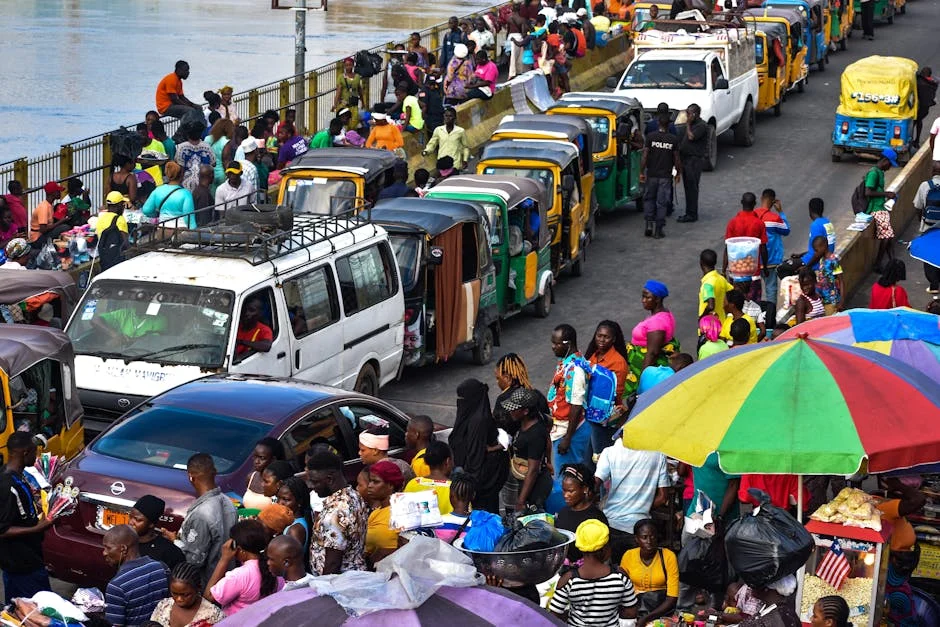
Bundibugyo, located in the Rwenzori Mountains region, serves as a critical gateway for goods moving between Kampala and the Great Lakes region. The introduction of fever screenings and vehicle disinfection protocols at key entry points has created immediate bottlenecks. Truck drivers report delays of up to six hours, which directly increases fuel consumption and driver wages, eating into thin profit margins for transport companies.

The Uganda National Roads Authority has confirmed that the primary checkpoint at Kabale is operating at 70% capacity due to the enhanced health screenings. This reduction in throughput affects the flow of perishable goods, particularly bananas and dairy products, which are staple exports for the Rwenzori Cooperative Union. Farmers in the region face the risk of spoilage if their produce does not reach Kampala markets within 24 hours of harvest.
Local businesses near the border have already reported a 15% drop in daily turnover. Smallholder traders who rely on the informal cross-border economy are feeling the pinch as movement restrictions limit the daily flow of customers and goods. The uncertainty surrounding the duration of these measures is causing many small business owners to hold back on inventory purchases.
Market Reaction and Investor Sentiment


Financial markets in Kampala reacted swiftly to the news, with the Uganda Shilling experiencing mild volatility against the US Dollar. The central bank is monitoring foreign exchange reserves to ensure stability as importers rush to secure essential medical supplies and fuel stocks. Analysts note that prolonged border closures could lead to a slight appreciation of the Shilling due to reduced import demand, but this benefit may be offset by lower export revenues.
Foreign direct investment flows into the region may face a short-term chill. Multinational corporations with operations in Western Uganda are reviewing their risk management strategies. The insurance sector is already seeing a spike in premiums for logistics firms operating in the affected zones. Underwriters are adjusting risk models to account for the potential for a broader outbreak that could trigger more aggressive containment measures.
The tourism sector, a vital contributor to Uganda's GDP, is bracing for a potential downturn. Safari operators in the nearby Queen Elizabeth National Park are reporting a 10% cancellation rate for bookings in the next quarter. Travelers from Europe and North America are showing increased caution, opting to delay trips until the epidemiological data stabilizes. This hesitation impacts local hospitality businesses, from luxury lodges to budget guesthouses.
Impact on Specific Industries
The agricultural sector faces the most immediate threat. The coffee industry, which relies on efficient transport routes to move beans from the western highlands to the port of Mombasa, is concerned about quality degradation due to delays. The Uganda Coffee Development Authority has issued guidelines to minimize handling time, but the physical bottleneck at the border remains a significant hurdle.
Manufacturing firms in the region are also adjusting production schedules. Companies that import raw materials from the DRC are facing potential shortages. This supply chain disruption forces manufacturers to either absorb higher costs or pass them on to consumers, contributing to inflationary pressures. The Uganda Manufacturers Association has called for a coordinated government response to mitigate these economic shocks.
Health Infrastructure and Economic Costs
The Ministry of Health in Uganda has allocated additional funds to strengthen testing and isolation facilities in the affected districts. This fiscal expenditure, while necessary for public health, places pressure on the national budget. The World Health Organization has pledged technical and financial support, but the immediate cash flow requirements fall on the Ugandan treasury. This spending may need to be offset by adjustments in other sectors, potentially affecting infrastructure projects.
The cost of the outbreak extends beyond direct health spending. Lost productivity due to employee absenteeism and the need for remote work arrangements in border towns are adding to the economic burden. Small and medium-sized enterprises are particularly vulnerable, as they often lack the financial reserves to weather extended periods of uncertainty. Government grants and low-interest loans may become essential tools to support these businesses.
Public health messaging campaigns require significant investment to ensure community compliance with border controls. The effectiveness of these campaigns directly influences the speed at which the outbreak can be contained. A prolonged outbreak would necessitate further economic interventions, including potential subsidies for key commodities to prevent price spikes in rural areas.
Regional Trade Dynamics
The East African Community is watching the situation closely, as the outbreak has implications for the entire regional bloc. The Community has established a rapid response mechanism to coordinate health and trade policies. However, differing national responses can create friction. For instance, if neighboring Rwanda or Kenya implements stricter measures, the competitive balance for trade routes could shift, favoring alternative corridors.
The port of Mombasa in Kenya may see an influx of goods that would typically pass through Uganda, boosting its throughput and revenue. This realignment of trade flows could have long-term structural effects on regional logistics networks. Companies may begin to diversify their supply chains to reduce reliance on the Ugandan corridor, a trend that could persist even after the immediate health crisis subsides.
Diplomatic efforts are underway to ensure that border controls do not turn into de facto trade barriers. The goal is to balance health security with economic openness. Transparent communication between the Ugandan government and its trading partners is crucial to maintaining investor confidence. Any perception of arbitrary or prolonged restrictions could damage Uganda's reputation as a reliable trade hub in East Africa.
Business Adaptation Strategies
Companies operating in the region are adopting agile strategies to manage the risk. Digital transformation is accelerating, with businesses leveraging technology to monitor supply chain disruptions in real-time. E-commerce platforms are seeing increased usage as consumers and businesses seek to minimize physical contact and streamline procurement processes. This shift towards digital channels offers a potential long-term efficiency gain for the Ugandan economy.
Supply chain diversification is another key strategy. Firms are identifying alternative suppliers and transport routes to reduce dependency on the Bundibugyo corridor. This involves investing in infrastructure in other regions and building stronger relationships with local suppliers. While these investments require upfront capital, they enhance resilience against future shocks, whether health-related or geopolitical.
Human resource management is also evolving. Companies are reviewing their leave policies and remote work capabilities to ensure business continuity. Training programs are being updated to include health and safety protocols specific to infectious disease outbreaks. These adaptations not only help navigate the current crisis but also build a more robust organizational culture that values employee well-being.
What to Watch Next Week
Investors and businesses should monitor the daily case counts released by the Uganda Virus Research Institute. A sustained increase in cases could lead to the expansion of border controls to other districts, further impacting trade. The government is expected to announce additional fiscal measures by the end of the week to support affected sectors. These announcements will provide clarity on the economic support available to businesses and households.
The response of regional partners will also be critical. Any new travel advisories issued by key markets such as the UK or the US could influence tourism and investment flows. Monitoring these external signals will help stakeholders adjust their strategies accordingly. The coming days will be decisive in determining the economic trajectory of Western Uganda and the broader regional economy.
See Also
- Liam Jacobs Returns to DA: 'I Believed Gayton', Politician Apologises After Coalition Row
- Nepal's Ex-PM Arrested Over Fatal Protest Crackdown — Political Turmoil Rears Head
Public health messaging campaigns require significant investment to ensure community compliance with border controls. A prolonged outbreak would necessitate further economic interventions, including potential subsidies for key commodities to prevent price spikes in rural areas.