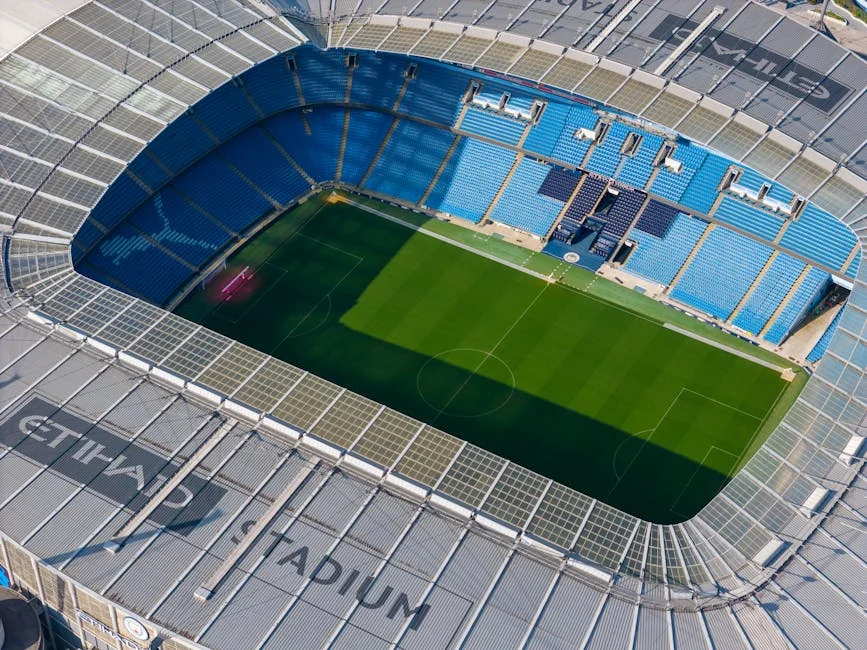
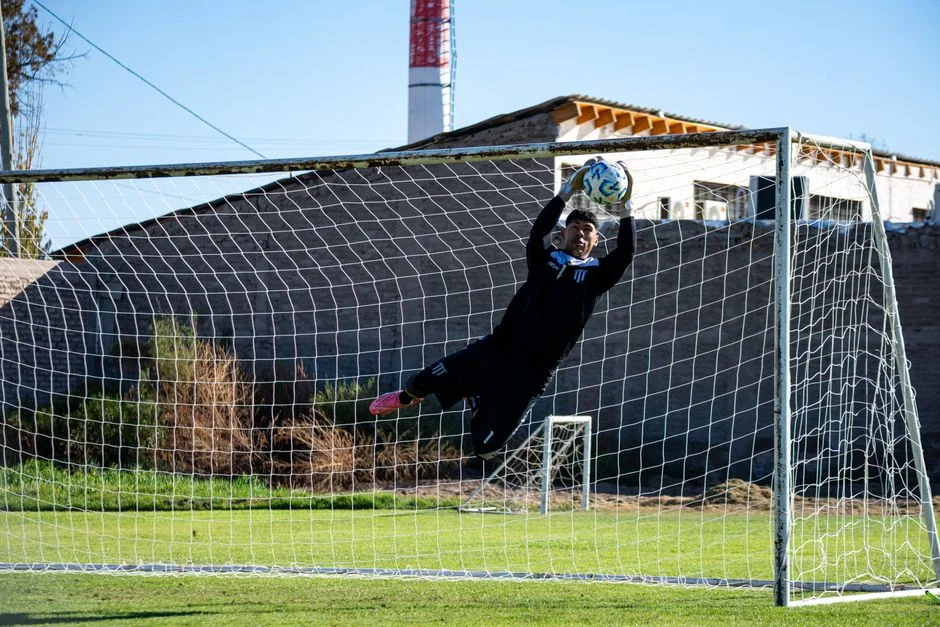
Sadio Mane has officially returned to Senegal's World Cup squad, a move that extends far beyond the football pitch. This announcement signals potential shifts in consumer spending and brand value across West Africa and European markets. Investors are already looking at the economic ripple effects of the star striker's presence.
The Commercial Value of a World Cup Star
The inclusion of Sadio Mane in the Senegal national team squad represents a tangible asset for sponsors and local businesses. His marketability drives significant revenue streams, from apparel sales to digital advertising engagement. Companies in Dakar are preparing marketing campaigns to capitalize on the heightened public interest.
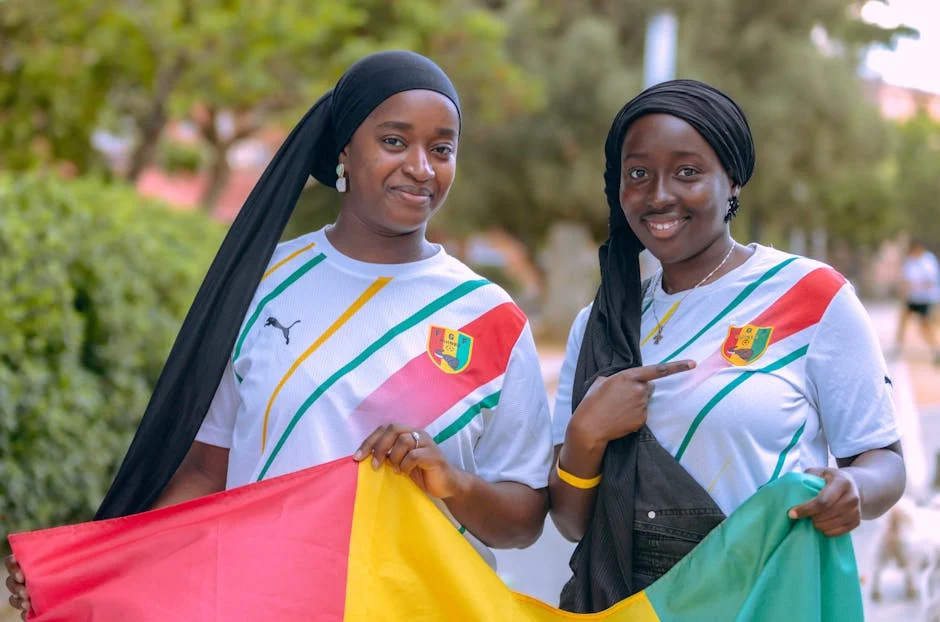
Brand managers view Mane as a key driver of consumer confidence. When a top-tier athlete performs well, associated products often see a spike in sales. This phenomenon, known as the "Mane effect," has been observed in previous tournaments where jersey sales doubled within weeks of the group stages.
Investors should monitor the stock performance of major sponsors linked to the Senegalese Football Federation. These companies often experience short-term volatility followed by sustained growth if the team advances. The financial stakes are high, making this more than just a sporting event.
Impact on Local Retail and Hospitality
Local retailers in Dakar and Saint-Louis are stocking up on merchandise ahead of the tournament. Hotels and restaurants expect a surge in domestic tourists traveling to watch matches in central hubs. This influx of cash into the local economy can boost service sector jobs.
Hospitality groups have already reported increased bookings for the expected tournament dates. The anticipation of crowds drives up room rates and dining expenses for locals. Small businesses near stadiums often see revenue increases of up to 30% during the event.
This economic activity supports broader growth in the Senegalese economy. Increased spending power among fans helps circulate currency through local supply chains. It is a clear example of how sports can stimulate immediate economic activity in emerging markets.
Nassr's Strategic Positioning in Global Markets
Nassr Football Club, Mane's current employer, stands to gain significant brand equity from his selection. The club is leveraging his global fame to attract international fans and potential investors. This strategy is part of a broader effort to diversify revenue beyond traditional matchday income.
The club's management has announced plans to expand digital content production. They aim to reach audiences in the Middle East, Africa, and Europe. This expansion could lead to new sponsorship deals and broadcasting rights revenues. The financial health of Nassr is closely tied to the performance and visibility of its star players.
Investors watching the Saudi sports sector should note this strategic move. The integration of African stars into Gulf clubs is reshaping the regional economic landscape. It creates new cross-border commercial opportunities that were less prominent five years ago.
This trend reflects a wider shift in how football clubs operate as multinational corporations. They are no longer just local entities but global brands with diverse income streams. Understanding these dynamics is essential for anyone investing in the sports industry.
Macroeconomic Implications for Senegal
Senegal's economy benefits from the global attention brought by its national team. The "World Cup effect" can improve the country's brand image, attracting foreign direct investment. Positive media coverage often leads to increased tourism and trade interest.
The government has recognized the potential economic boost and is coordinating with private sectors. Infrastructure improvements in key cities are being accelerated to accommodate visitors. These investments have long-term benefits for local businesses and the broader economy.
However, the economic impact depends heavily on the team's performance. A deep run in the tournament maximizes the return on investment for sponsors and the state. Conversely, an early exit might lead to temporary stagnation in related sectors.
Analysts suggest that even a moderate performance can yield positive economic outcomes. The key is sustained engagement from fans and consumers. This engagement translates into measurable economic activity across multiple industries.
Investor Perspectives on Sports-Linked Assets
Financial markets are beginning to price in the potential outcomes of major sporting events. Hedge funds and retail investors are looking for alpha in sports-related equities. This includes shares of apparel giants, beverage companies, and broadcasting networks.
The volatility associated with sports investments requires a nuanced approach. Investors must consider factors like player health, team dynamics, and external economic conditions. These variables can significantly impact the financial returns associated with a player's performance.
Diversification is key for those looking to capitalize on this trend. Spreading investments across different sectors linked to the tournament can mitigate risk. This strategy allows investors to benefit from multiple sources of revenue generation.
Long-term investors should also consider the legacy effects of the tournament. Improved infrastructure and increased global visibility can have lasting economic benefits. These factors can enhance the attractiveness of the host nation for future investments.
Challenges and Risks for Local Businesses
Not all businesses are poised to benefit equally from the tournament. Smaller enterprises may struggle with increased competition for consumer spending. Larger multinational brands often dominate the advertising space, squeezing out local players.
Inflationary pressures can also rise during the event period. Demand for goods and services can outpace supply, leading to price increases. This can affect the purchasing power of local consumers, particularly in the service sector.
Logistical challenges are another concern for businesses operating in key cities. Traffic congestion and accommodation shortages can disrupt supply chains. Companies need to plan ahead to mitigate these potential disruptions to their operations.
Despite these challenges, the overall economic outlook remains positive. The net benefit of increased spending and investment tends to outweigh the temporary costs. Businesses that adapt quickly to the changing market conditions are likely to emerge stronger.
Global Branding and Soft Power
Sadio Mane's presence on the world stage enhances Senegal's soft power. This intangible asset can translate into economic opportunities through trade and diplomacy. Countries with strong cultural influence often enjoy better negotiating positions in international markets.
The global media coverage of the World Cup provides a platform for showcasing Senegal's culture and economy. This exposure can attract tourists and investors who are intrigued by the country's potential. It is a valuable opportunity for national branding efforts.
Businesses that align themselves with this narrative can enhance their brand perception. Associating with the national team can convey a message of quality and reliability. This strategic alignment can lead to increased customer loyalty and market share.
The intersection of sports and economics is becoming increasingly important. Understanding this dynamic is crucial for businesses and investors alike. The decisions made now will shape the economic landscape for years to come.
What to Watch Next
Investors and businesses should monitor the initial match results closely. The first few games will set the tone for the team's performance and subsequent economic impact. Early victories can trigger a wave of consumer enthusiasm and spending.
Sponsorship announcements in the coming weeks will provide further insights into market sentiment. Major deals can signal confidence in the tournament's economic potential. These deals often reflect broader trends in the sports marketing industry.
The final group stage matches will be critical in determining the team's progression. This will directly influence the level of economic activity in Senegal. Stakeholders should prepare for potential shifts in market dynamics based on these outcomes.
Long-term investors should also track post-tournament economic data. This will help assess the sustained impact of the World Cup on Senegal's economy. Understanding these trends will be essential for future investment decisions in the region.
See Also
- Sars Slams Border on Foreign Cars — Import Bills Surge
- SASSA Locks In June Pension Date — Cash Flow Set to Surge
What is the latest news about sadio mane returns to senegal squad what it means for markets?
Why does this matter for society-culture?
What are the key facts about sadio mane returns to senegal squad what it means for markets?