Senegal’s decision to dismiss Prime Minister Ousmane Sonko has sent immediate ripples through Dakar’s financial districts, triggering uncertainty among local businesses and international investors. The political upheaval, confirmed on Friday, raises critical questions about the continuity of economic reforms and the stability of the CFA franc zone’s fourth-largest economy. Markets are already pricing in potential volatility as traders in Dakar’s central business district react to the sudden change in executive leadership.
Immediate Market Reactions in Dakar
The initial response from financial markets was swift and somewhat muted, reflecting a cautious approach by investors awaiting clarity on policy direction. The Dakar Financial Market (BVMAC) saw modest fluctuations in early trading, with blue-chip stocks in the banking and insurance sectors experiencing slight dips. Analysts monitor these movements closely, understanding that political instability often precedes currency fluctuations and shifts in foreign direct investment flows.
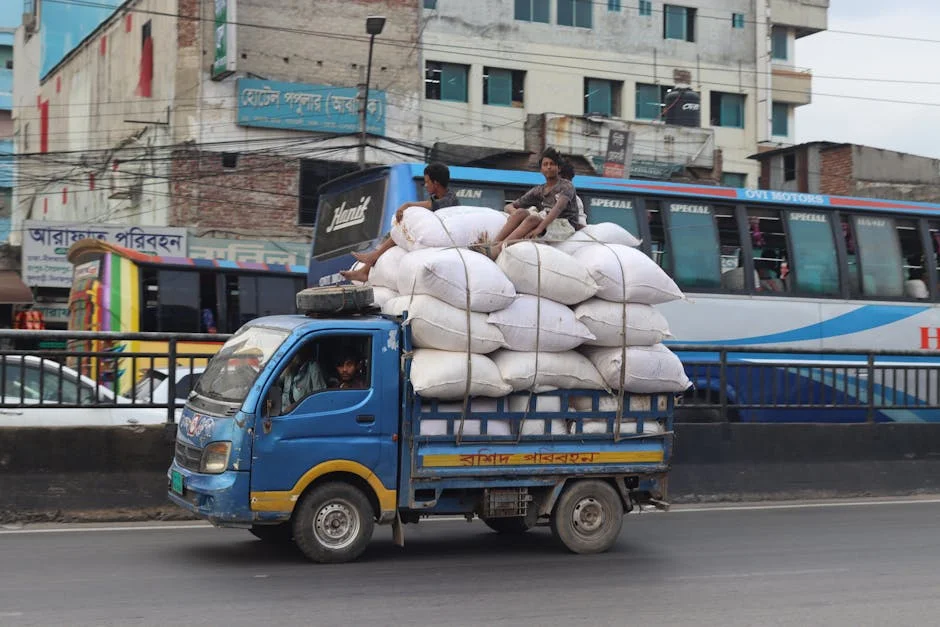
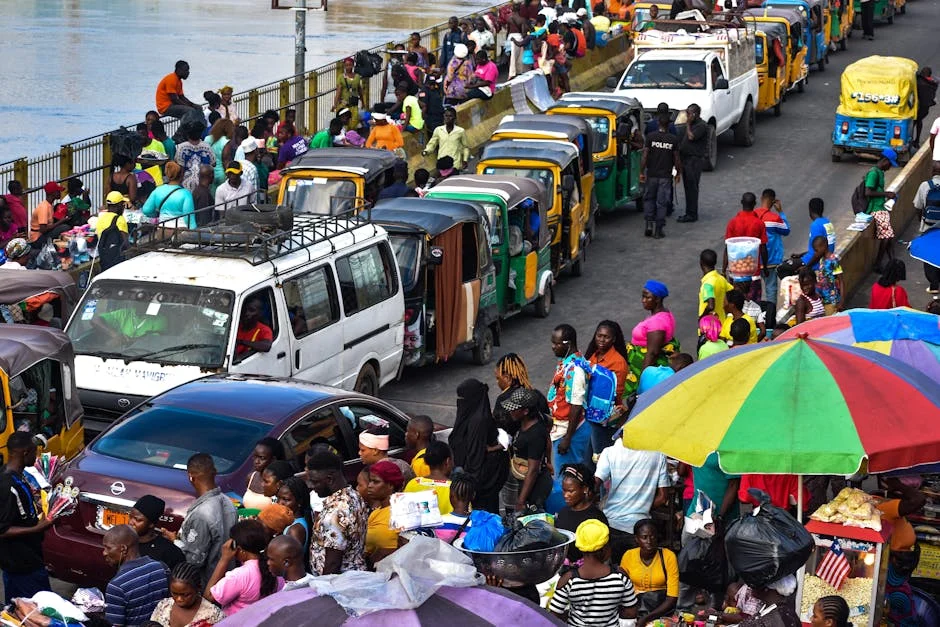
Local currency traders in the bustling markets of Dakar reported a slight increase in demand for the US dollar, suggesting a flight to safety among retail investors and small business owners. This trend, while not yet dramatic, indicates underlying anxiety regarding the purchasing power of the CFA franc in the coming weeks. Small and medium-sized enterprises, which form the backbone of Senegal’s economy, are particularly sensitive to exchange rate volatility and inflationary pressures.
Business leaders have called for immediate briefings from the Central Bank of West African States (BCEAO) to reassure stakeholders about monetary stability. The BCEAO’s role in anchoring the monetary policy of the West African Economic and Monetary Union (WAEMU) is crucial, and any hint of discord could amplify market jitters. Investors are watching for statements from BCEAO governor Pascaline Champsaur, whose recent comments have aimed to project continuity despite political changes.
Implications for Economic Reforms

Ousmane Sonko’s tenure was marked by ambitious economic agendas, including efforts to diversify Senegal’s revenue streams beyond oil and tourism. His removal threatens to stall or reshape these initiatives, particularly the ongoing negotiations for the Grand Dakar industrial zone. Foreign investors who had aligned their strategies with Sonko’s pro-business rhetoric are now reassessing their risk exposure in the country.
One of the key pillars of Sonko’s economic platform was the reduction of state subsidies, a move designed to curb the fiscal deficit but unpopular with the general populace. The new administration faces the difficult task of deciding whether to maintain these austerity measures or reintroduce subsidies to placate voters. This decision will have direct implications for Senegal’s credit rating and borrowing costs on international bond markets.
The World Bank and the International Monetary Fund (IMF) have closely monitored Senegal’s economic trajectory, praising its resilience despite global headwinds. A shift in economic policy could affect the timing and size of the next tranche of IMF loans, which are conditional on structural reforms. Investors are keen to see if the new leadership will commit to the existing reform roadmap or propose an alternative strategy.
Policy Continuity vs. Disruption
The debate over policy continuity is intensifying among economists and political analysts in Dakar. Some argue that maintaining the current economic framework is essential to preserve investor confidence, while others believe that a new direction is necessary to address growing social inequalities. This internal dialogue will likely shape the early decisions of the incoming Prime Minister and the President’s office.
Key sectors such as construction, technology, and renewable energy are particularly vulnerable to policy shifts. The construction industry, for example, relies heavily on government contracts and public infrastructure projects. Any delay or cancellation of these projects could lead to job losses and reduced demand for raw materials, affecting local suppliers and contractors across the region.
Investor Confidence and Foreign Direct Investment
Foreign direct investment (FDI) has been a bright spot in Senegal’s economic performance, driven by discoveries of offshore oil and gas reserves. However, political stability remains a critical factor in attracting and retaining FDI. The sacking of Sonko introduces a variable of uncertainty that could slow down new investment deals and delay the finalization of existing ones.
Multinational corporations operating in Senegal have begun conducting risk assessments to evaluate the potential impact of the political change. Companies in the energy, telecommunications, and manufacturing sectors are reviewing their long-term strategies, considering factors such as tax incentives, regulatory frameworks, and labor relations. The outcome of these assessments will influence future capital expenditure decisions.
Regional competitors, such as Ghana and Nigeria, may benefit from the uncertainty in Senegal if investors decide to diversify their portfolios across West Africa. Ghana’s own political transitions have shown that markets can recover quickly if economic fundamentals remain strong. Senegal’s ability to replicate this resilience will depend on how effectively the new government communicates its economic vision to the global investment community.
Impact on Local Businesses and Consumers
For the average Senegalese consumer, the political turmoil translates into potential price increases for essential goods. Inflation has been a persistent challenge in Dakar, with food prices rising due to global supply chain disruptions and local production costs. Political instability can exacerbate these trends by affecting logistics and distribution networks.
Small business owners in Dakar’s commercial hubs are adopting a wait-and-see approach, holding back on major expansion plans until the political landscape stabilizes. This caution can lead to a temporary slowdown in economic activity, affecting employment levels and consumer spending. The informal sector, which employs a significant portion of the workforce, is particularly sensitive to changes in consumer confidence.
Government interventions, such as targeted subsidies or tax breaks for small businesses, could help mitigate the negative effects of the political transition. However, the effectiveness of these measures will depend on the fiscal space available to the new administration. Senegal’s debt-to-GDP ratio, which has risen in recent years, constrains the government’s ability to implement large-scale fiscal stimuli without risking credit downgrades.
Regional Economic Spillovers
Senegal’s economic health has significant implications for the broader West African region. As a key member of the WAEMU, Senegal’s economic performance influences regional trade balances and monetary policy decisions. Instability in Dakar could lead to reduced trade volumes and increased import costs for neighboring countries.
The regional financial integration efforts, including the proposed single West African currency, may also face delays if political uncertainty in Senegal persists. These initiatives require strong political will and economic coordination among member states. Any disruption in Senegal’s leadership could affect the pace of these negotiations and the overall momentum of regional economic integration.
Investors looking at the West African region as a whole are adjusting their risk models to account for the political developments in Senegal. This could lead to a re-pricing of regional bonds and equities, with potential spillover effects on currency exchange rates and inflation expectations across the WAEMU zone. The resilience of the regional economy will be tested in the months ahead.
What to Watch Next
Investors and businesses should closely monitor the announcement of the new Prime Minister and the composition of the new cabinet. The choices made by President Macky Sall will signal the direction of future economic policies and the degree of continuity with the previous administration. Key appointments in the finance and economy ministries will be particularly telling.
Upcoming statements from the International Monetary Fund and the World Bank regarding Senegal’s economic outlook will provide valuable insights into the potential impact of the political change. These institutions often influence market sentiment through their reports and recommendations. Investors should also watch for any changes in Senegal’s sovereign credit ratings, which could affect borrowing costs for the country and its companies.
The next few weeks will be critical in determining whether the political transition leads to prolonged economic uncertainty or a quick stabilization of markets. The resilience of Senegal’s economy will depend on the new government’s ability to communicate clearly, implement consistent policies, and maintain strong relationships with international partners. Keep an eye on the Dakar Financial Market indices and the CFA franc exchange rate as key indicators of market sentiment in the coming days.
See Also
- Themba Mathibe Fraud Case Struck Off Roll — Court Slams State Delays
- Nigeria's NDC Unveils Obi as Presidential Candidate for 2027 Elections
What is the latest news about senegal sacks pm sonko markets brace for economic shock?
Why does this matter for world-news?
What are the key facts about senegal sacks pm sonko markets brace for economic shock?