Severe weather has isolated several communities in the Western Cape, sending shockwaves through local supply chains and disrupting business operations across the region. The storm system, which intensified rapidly on Tuesday, brought record rainfall and strong winds that flooded major arterial roads and knocked out power to key commercial districts. This disruption poses an immediate financial risk for logistics firms and retailers who rely on the Cape’s port and highway networks.
Infrastructure Failure Hits Logistics Hard
The M3 highway, a critical corridor connecting Cape Town to the airport and industrial hubs, saw sections submerged under water, forcing trucks to reroute or halt entirely. This bottleneck has already caused a ripple effect, with perishable goods from the surrounding Winelands facing spoilage risks as delivery times stretch from hours to days. Logistics companies are scrambling to adjust schedules, but the lack of alternative routes limits their options significantly.
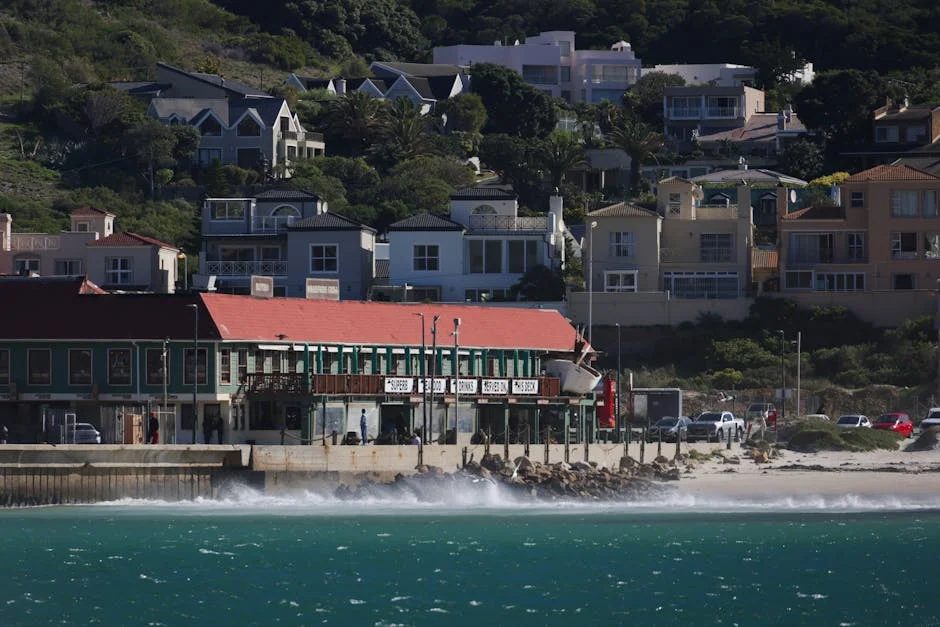
Port of Cape Town operations have also slowed due to wind speeds exceeding 60 km/h, delaying the loading and unloading of containers. This delay impacts not only local imports but also exports, particularly the fruit industry which is highly time-sensitive. The economic cost of these delays accumulates quickly, with each hour of port inactivity translating into thousands of rands in lost revenue for shipping lines and freight forwarders.
Retail and Consumer Spending Face Immediate Pressure


Retailers in the Cape Flats and Southern Suburbs are reporting a sharp dip in footfall as commuters face flooded streets and unreliable public transport. Shoprite and Woolworths, two of the region’s largest retailers, have announced temporary closures in low-lying areas, forcing shoppers to travel further for essentials. This inconvenience often leads to deferred purchases, which can dampen consumer spending data for the month.
The cost of living is also set to rise temporarily as supply chain inefficiencies drive up prices for fresh produce and fuel. Local grocers are already adjusting shelf prices to account for the increased cost of transportation and storage. This inflationary pressure hits consumers hard, particularly in the mid-income bracket, potentially reducing discretionary spending in the weeks following the storm.
Impact on Small Businesses
Small businesses, which often operate on thinner margins than corporate giants, are bearing the brunt of the disruption. Cafes and boutiques in the City Bowl report that staff attendance has dropped by nearly 30% due to flooded commutes. Many of these enterprises lack the insurance coverage or cash reserves to weather more than a week of reduced turnover. The potential for temporary layoffs or even short-term closures is a growing concern among local business owners.
Government support mechanisms are slow to activate, leaving many small traders to rely on community-driven fundraising or personal savings. This gap in immediate financial aid could have long-term effects on the viability of these businesses, potentially leading to a consolidation of the retail sector in the aftermath. Investors monitoring the small business sector should watch for signs of distress in the coming quarters.
Energy Grid Stress and Power Costs
The Western Cape’s energy grid has come under severe stress as the storm knocked out power lines in key industrial zones. While South Africa’s broader power crisis is well-known, this localized outage has forced factories to switch to expensive diesel generators. This shift increases operational costs for manufacturers, squeezing profit margins and potentially affecting the competitiveness of Cape-made goods.
Energy companies are working around the clock to restore supply, but the combination of wind and rain has made line repairs slower than usual. The duration of the blackout directly correlates with the cost impact on businesses. Prolonged outages can lead to equipment damage, further increasing the financial burden on firms that are already dealing with supply chain delays.
Investor Sentiment and Market Reactions
Investors are closely monitoring the situation as the Western Cape contributes significantly to South Africa’s GDP. The disruption in the logistics and retail sectors is likely to reflect in the quarterly earnings reports of major listed companies. Analysts are adjusting forecasts to account for the potential drop in revenue, which could lead to a short-term correction in the share prices of Cape-based firms.
The broader market reaction has been cautious, with investors watching for signs of a prolonged recovery. If the weather systems persist, the impact could extend beyond the immediate logistics and retail sectors to affect tourism and hospitality. These industries are vital to the Cape’s economy, and a downturn here would have a compounding effect on local employment and consumer confidence.
Long-Term Economic Implications for the Region
This event highlights the vulnerability of the Western Cape’s infrastructure to extreme weather, a factor that is becoming more common with climate change. Businesses are now forced to reconsider their resilience strategies, potentially investing more in warehousing, insurance, and diversified supply routes. These investments, while costly, are becoming necessary to mitigate future disruptions.
The economic data from this period will provide valuable insights into how resilient the local economy is to external shocks. Policymakers will need to evaluate the effectiveness of current infrastructure spending and consider whether further investment is required to protect key economic arteries. The findings could influence future budget allocations and infrastructure projects in the province.
What to Watch Next
As the weather systems move, the focus will shift to the speed of recovery and the effectiveness of government response. Investors should monitor the daily updates on port operations and highway clearance, as these are key indicators of how quickly normal business rhythms will return. The next 72 hours are critical in determining whether this is a temporary blip or a more prolonged economic disruption for the Western Cape.
See Also
- KwaNxamalala Inkosi Simphiwe Zuma's Murder Case Delayed Amid Bail Stalemate
- Anambra Doctor Freed: Security Risks Threaten Nigeria's Healthcare Investment
The disruption in the logistics and retail sectors is likely to reflect in the quarterly earnings reports of major listed companies. Investors should monitor the daily updates on port operations and highway clearance, as these are key indicators of how quickly normal business rhythms will return.