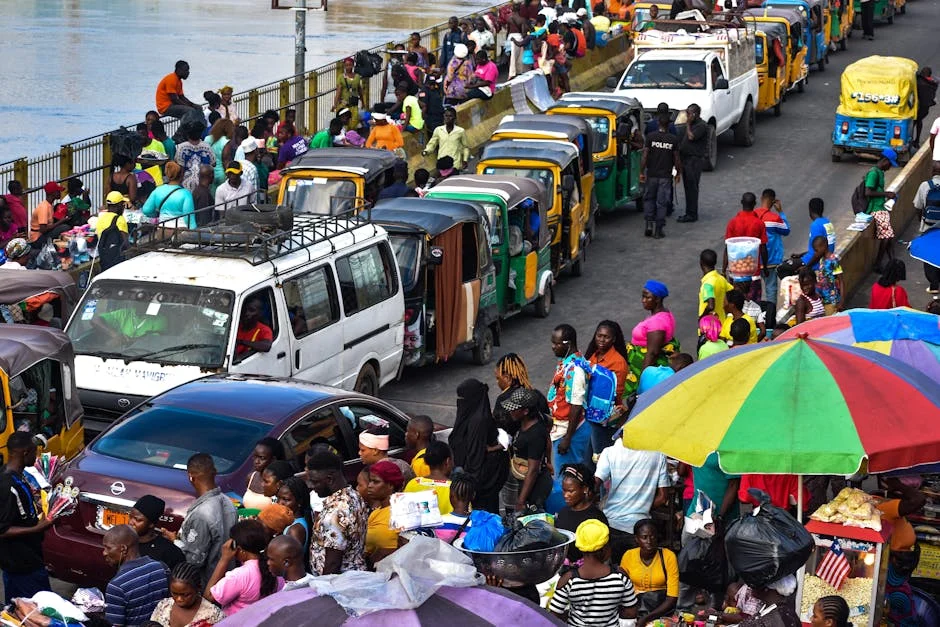
Unrest in Bloemfontein has escalated beyond street-level chaos to threaten the financial stability of local businesses and regional supply chains. Residents have been urged to curb looting and vandalism as shops and warehouses face unprecedented physical damage. The economic fallout is already visible, with logistics providers raising freight rates and retailers reporting inventory shortfalls.
Investors watching the South African Rand are noting the correlation between civil order in major economic hubs and currency performance. When commerce halts in the Free State, the ripple effects travel quickly to Johannesburg and Cape Town. This event serves as a stark reminder of how localized instability can distort broader market indicators.
Immediate Financial Damage to Retailers

The primary economic casualty of the Bloemfontein unrest is the retail sector. Shop owners report that inventory loss is not just about stolen goods but also about the cost of securing premises. Insurance premiums are expected to rise sharply in the Free State as actuary tables adjust for the new risk profile of the region.
Local businesses are facing a dual financial burden. They must absorb the direct cost of replaced stock while also covering the wages of staff who are often paid but unable to work due to road closures. This squeezes profit margins that were already thin before the outbreak of violence.
Insurance and Liability Costs
Insurance companies are reviewing policies for small and medium-sized enterprises in the affected areas. Claims for 'force majeure' are increasing, but the definition of what constitutes an insurable event is being tested. This creates uncertainty for business owners who rely on quick payouts to stay afloat.
The cost of business interruption insurance is likely to surge. Insurers will demand higher deductibles and more stringent security measures for future coverage. This adds a fixed cost to variable income, making it harder for smaller firms to compete with larger corporate chains.
Supply Chain Disruptions and Logistics


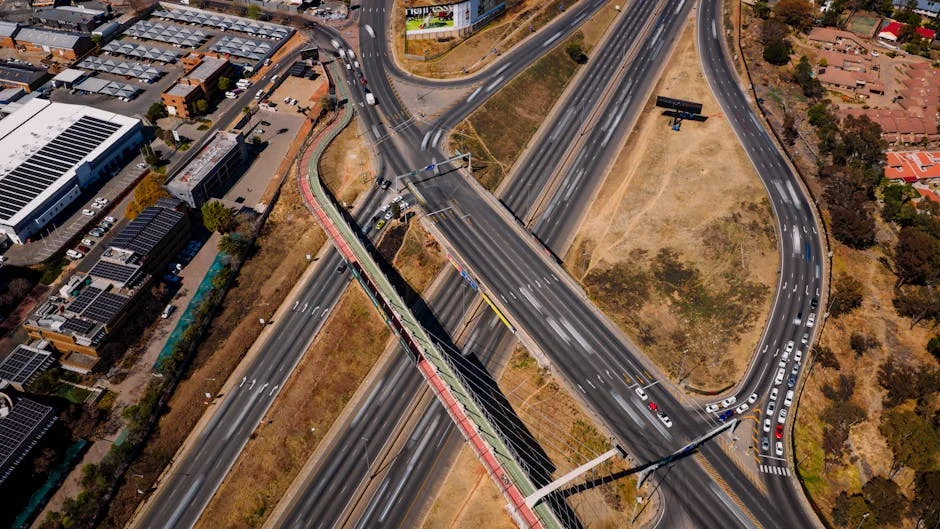
Bloemfontein serves as a critical logistical node in the Free State province. Major highways pass through the city, connecting the industrial heartland of Gauteng with the port of Durban. When these routes are blocked or made hazardous, the flow of goods slows down significantly.
Logistics companies are rerouting trucks to avoid the city center, adding days to delivery times. This delay increases fuel consumption and driver overtime costs, which are then passed on to the end consumer. The efficiency of the national supply chain is thus directly impacted by local civil order.
Warehouses on the outskirts of the city are becoming bottlenecks. Goods arrive but struggle to leave if the main roads are congested with police vehicles or protesters. This inventory stagnation ties up working capital for distributors who are paying for storage while their stock sits idle.
Impact on Local Employment and Wages
The immediate effect on the labor market is a reduction in working hours for casual employees. Many retail and service sector jobs in Bloemfontein are not permanent, meaning that a day off without pay is a significant income shock. This reduces immediate consumer spending power in the surrounding areas.
Permanent staff face the uncertainty of potential layoffs if the unrest drags on. Businesses may freeze hiring or even reduce headcount to manage cash flow. This contraction in employment further dampens the local economic activity, creating a negative feedback loop.
Wage stagnation is also a concern. If businesses absorb the cost of the unrest, they have less room to offer raises or bonuses. This can lead to higher turnover rates as employees seek more stable employment opportunities in less volatile regions.
Investor Confidence and Stock Market Reaction
Stock markets are sensitive to signals of economic stability. The unrest in Bloemfontein sends a signal that operational risks in South Africa are higher than previously priced in. Investors may choose to pull back from companies with significant exposure to the Free State region.
The JSE (Johannesburg Stock Exchange) retail and logistics sectors are likely to see volatility. Share prices may fluctuate as analysts adjust their earnings per share estimates to account for the unexpected costs incurred by companies in the area. This affects the broader market sentiment.
Foreign direct investment decisions could also be influenced by this event. International investors look for political and social stability before committing capital. A perception of ongoing unrest can delay or even derail potential investment projects in the region.
Government Response and Fiscal Implications
The local government in Bloemfontein faces the task of managing the crisis and mitigating its economic impact. This involves deploying police forces, repairing infrastructure, and potentially offering relief packages to affected businesses. These expenditures come from the local budget, which may already be stretched.
Fiscal pressure increases as tax revenues dip due to reduced economic activity. Shops that close early or late pay less turnover tax, and property rates may be collected more slowly. The municipality must balance immediate security costs with long-term infrastructure needs.
The national government may also need to step in if the situation threatens broader economic stability. This could involve deploying the South African Defence Force or announcing economic relief measures. Such interventions have their own fiscal costs and political implications.
Broader Economic Consequences for the Free State
The Free State province relies heavily on agriculture and mining. Disruptions in Bloemfontein can affect the storage and transport of these key commodities. If grain silos or mining equipment suppliers are located in the city, the entire provincial output can be affected.
Long-term brand damage is another risk. If Bloemfontein becomes known as an unstable business destination, companies may choose to relocate their headquarters or distribution centers to other cities. This migration of business can lead to a slow erosion of the local economic base.
The real estate market may also feel the heat. Commercial property values could stagnate or even decline if investors perceive higher risks. Office space and retail units might face higher vacancy rates as tenants opt for more secure locations elsewhere.
What to Watch Next Week
Markets will closely monitor the duration of the unrest in Bloemfontein. If the situation stabilizes within a week, the economic impact may be limited to short-term operational costs. However, if the volatility continues, expect more significant adjustments in local business strategies and investor portfolios.
Investors should watch for quarterly reports from major retailers and logistics firms with a presence in the Free State. These reports will provide concrete data on how the unrest has affected their bottom line. Look for mentions of 'inventory write-offs' and 'freight cost increases' in the earnings calls.
Local government announcements regarding infrastructure repair and business relief funds will also be key indicators. The speed and scale of the response will signal to the market how resilient the local economy is perceived to be. Keep an eye on the municipal budget statements for the next fiscal quarter.
See Also
- Colombia's Leftist Senator Cepeda Challenges Trump Ally Espriella in Runoff Election
- Pierre Deny Dies from Rapid Form of Charcot Disease — Economic Impact on the Arts
Local government announcements regarding infrastructure repair and business relief funds will also be key indicators. Investors may choose to pull back from companies with significant exposure to the Free State region.
What is the latest news about bloemfontein looting triggers supply chain shocks and market jitters?
Why does this matter for technology?
What are the key facts about bloemfontein looting triggers supply chain shocks and market jitters?