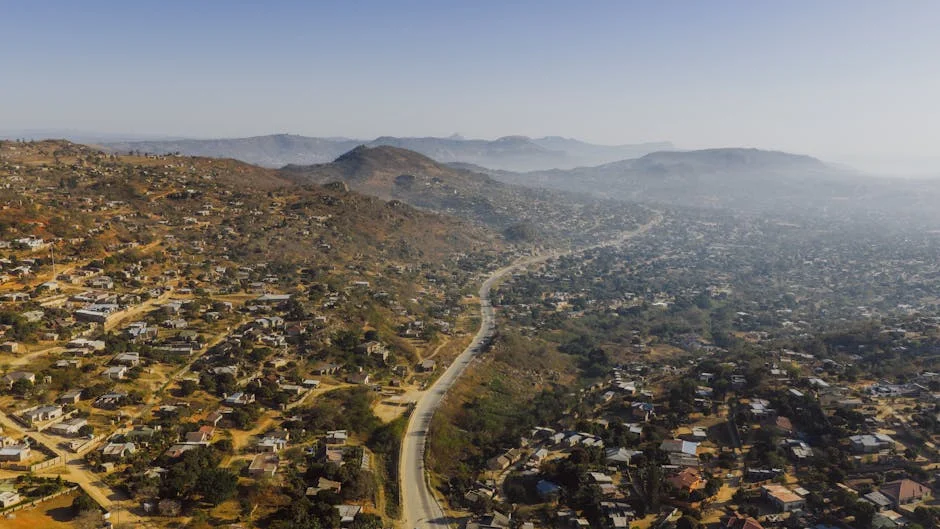
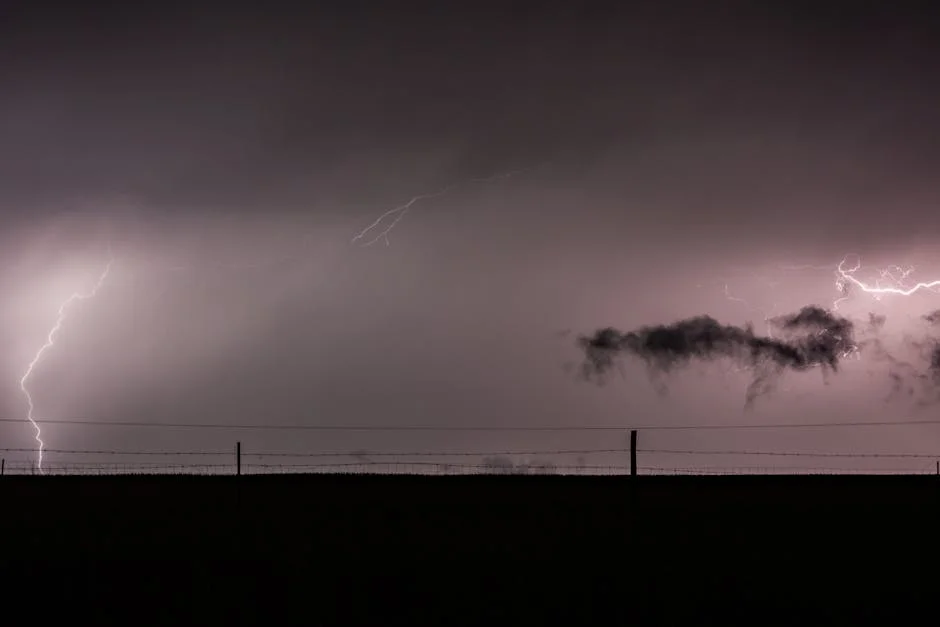
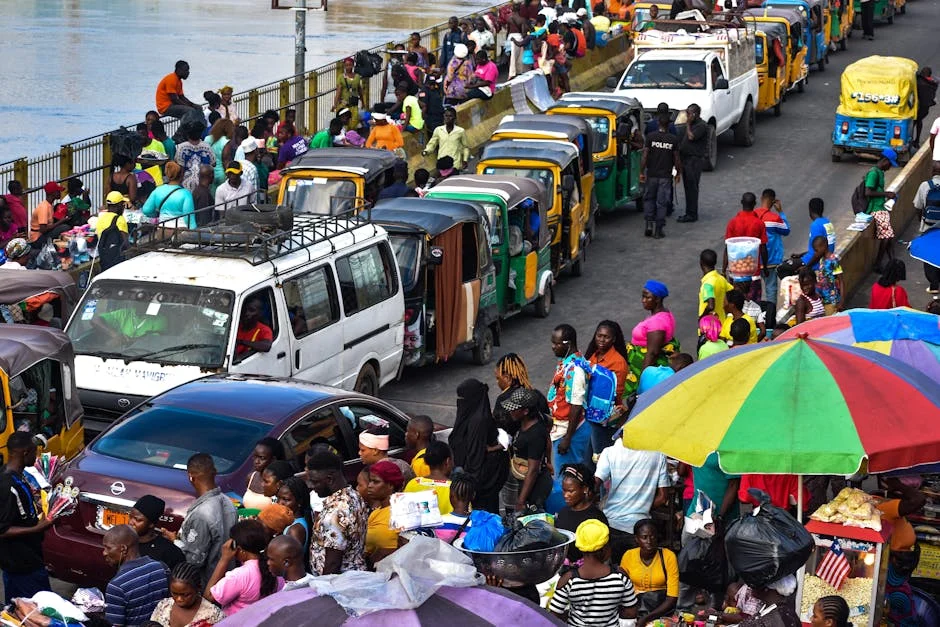
South Africa's weather authority has issued its second Level 8 severe storm warning in weeks, prompting emergency preparations across the country's industrial heartland. The warning covers large portions of the Highveld region, including Johannesburg and Pretoria, where the storm system is expected to bring damaging winds, heavy rainfall, and the risk of flash flooding from Wednesday afternoon.
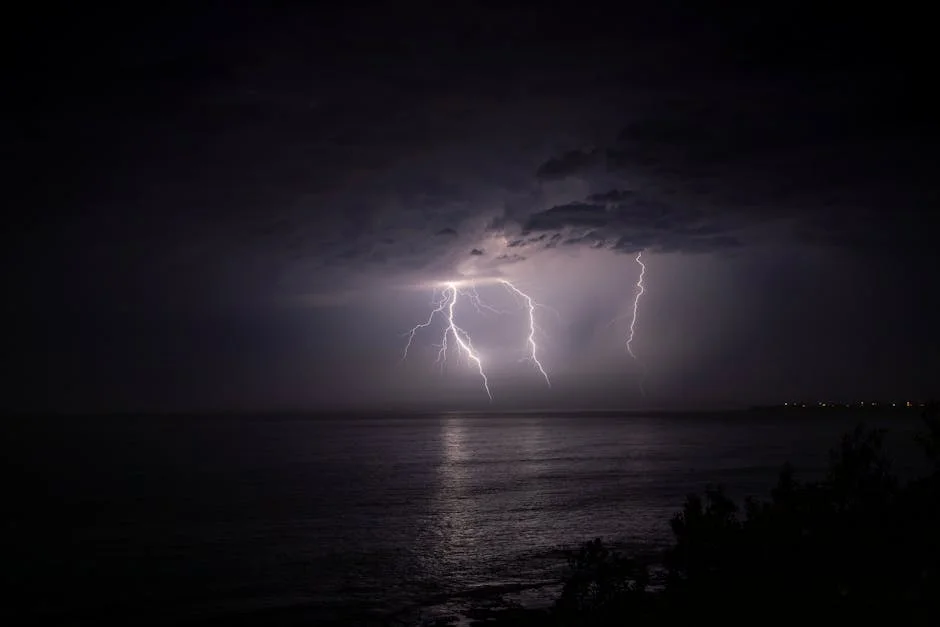
The South African Weather Service confirmed the warning late Tuesday, stating that atmospheric conditions are primed for violent thunderstorm development. Meteorologists indicated that the storm cells could produce wind gusts exceeding 100 kilometres per hour, hail stones larger than golf balls, and lightning strikes capable of disrupting power infrastructure across the economic corridor stretching from Gauteng into Mpumalanga and parts of the Free State.
Business Continuity Teams Activate Emergency Protocols
Major corporations operating in the storm's projected path have begun activating business continuity measures, according to industry representatives in Johannesburg. Mining houses, financial services firms, and manufacturing operations are reviewing emergency procedures and staging equipment for rapid deployment. The storm arrives at a sensitive time for South Africa's economy, which posted modest growth of 0.6 percent in the most recent quarter amid persistent power supply challenges and infrastructure constraints.
Logistics companies are monitoring the situation closely, with particular concern about the N3 highway linking Johannesburg to Durban, a critical artery for freight transport across the country. Warehouse operators in Springs and Alberton have begun securing inventory and relocating high-value goods to elevated storage, sources familiar with the preparations told local media. Insurance firms have reportedly activated catastrophe response teams in anticipation of claims, though officials declined to specify projected costs.
Infrastructure Faces Fresh Pressure


The warning adds strain to infrastructure already under pressure from years of underinvestment and maintenance backlogs. State power utility Eskom, which has struggled to keep the lights on with frequent load-shedding, faces the prospect of additional damage to transmission infrastructure. The utility's grid control centre in Simmerpan, Gauteng, sits directly in the storm's expected trajectory.
Port operations in Durban and Richards Bay, which handle the bulk of South Africa's seaborne trade, could face disruptions if the storm tracks eastward as some models suggest. Shipping agents in Durban are tracking weather updates, with some vessels reportedly adjusting schedules to avoid the worst conditions. The Transnet National Ports Authority has not yet issued port closure warnings, but officials indicated they are monitoring conditions hour by hour.
Financial Markets Respond to Weather Risk
JSE Ltd, South Africa's stock exchange operator, has not issued any special trading notices but market participants say volatility could increase if storm damage becomes apparent. Agricultural commodities traded on the market could face supply disruptions if crops in Mpumalanga and the Free State suffer significant damage during the critical summer growing season. Insurance stocks on the JSE drew attention from traders earlier this year following severe flooding in KwaZulu-Natal, and analysts say another major weather event could pressure sector valuations.
South Africa's rand currency showed relative stability against major currencies in early trading, but foreign exchange traders in Sandton noted that extended infrastructure disruption could shift sentiment. The country has been working to attract foreign investment to support its economic recovery, and repeated weather shocks add to concerns about operating environment risks.
Agriculture and Mining Sectors on Alert
Farmers in the maize-producing regions of the Highveld face a nervous wait. The summer crop season is underway, and widespread hail or flooding could damage young plants still in early development stages. Agricultural industry bodies have urged producers to secure equipment and assess drainage systems on their properties. The sector contributes roughly 2.5 percent to South Africa's gross domestic product and remains a significant employer in rural communities.
Mining companies, which together represent a substantial portion of the JSE's market capitalisation, have begun reviewing safety protocols for workers at surface operations. Chamber of Mines officials in Johannesburg indicated that member companies are following standard severe weather procedures, though specific operational decisions rest with individual operators. South Africa is the world's largest producer of platinum group metals and a major source of gold, iron ore, and coal.
Supply Chain Vulnerabilities Under Scrutiny
The storm warning exposes ongoing vulnerabilities in South Africa's supply chain networks, which have struggled with bottlenecks since the pandemic. Retailers and manufacturers dependent on just-in-time delivery models face heightened risk if freight routes are blocked by flooding or fallen infrastructure. The automotive sector, concentrated around Pretoria and the Eastern Cape, relies on intricate component supply chains that could face delays if weather disrupts transport corridors.
Consumer goods companies have told investors in recent disclosures that extreme weather events represent an increasing operational risk factor. The storm arrives as South Africans face mounting cost-of-living pressures, with food price inflation running above the overall consumer price index in recent months. Any sustained disruption to food supply chains could add further upward pressure on grocery prices in the coming weeks.
What Happens Next
Meteorologists expect the storm system to reach its peak intensity between 14:00 and 20:00 local time on Wednesday, with conditions gradually improving from Thursday morning as the weather pattern shifts eastward. The South African Weather Service has urged residents in the warning area to postpone non-essential travel and secure loose outdoor structures.
Business leaders and investors should watch for statements from Eskom regarding power grid status, updates from Transnet on port operations, and any emergency declarations from provincial governments in Gauteng, Mpumalanga, and the Free State. Insurance claims data in the days following the storm will provide an early read on economic damage, while the JSE's agricultural and insurance sectors will likely see increased trading volume as analysts revise damage estimates.
See Also
- North West Government Blames Poor Management for R4.2 Billion Housing Crisis
- China Targets Ghost Kitchens — Food Delivery Apps Face Sweeping New Rules