Extreme heat waves have shattered temperature records across Europe, triggering immediate and severe consequences for energy markets and inflation rates. The European Central Bank has warned that rising power demand is pushing electricity prices upward, threatening to stall the region’s economic recovery. This is not merely a meteorological event; it is a structural shock to the continental economy.
Energy Markets Face Immediate Pressure
The surge in temperature has directly impacted the primary energy source for European homes and industries. Natural gas prices in the Netherlands, the benchmark hub for the continent, have climbed by 15% in the past week alone. This rise reflects the increased need for cooling in commercial buildings and the steady draw on gas reserves for power generation.
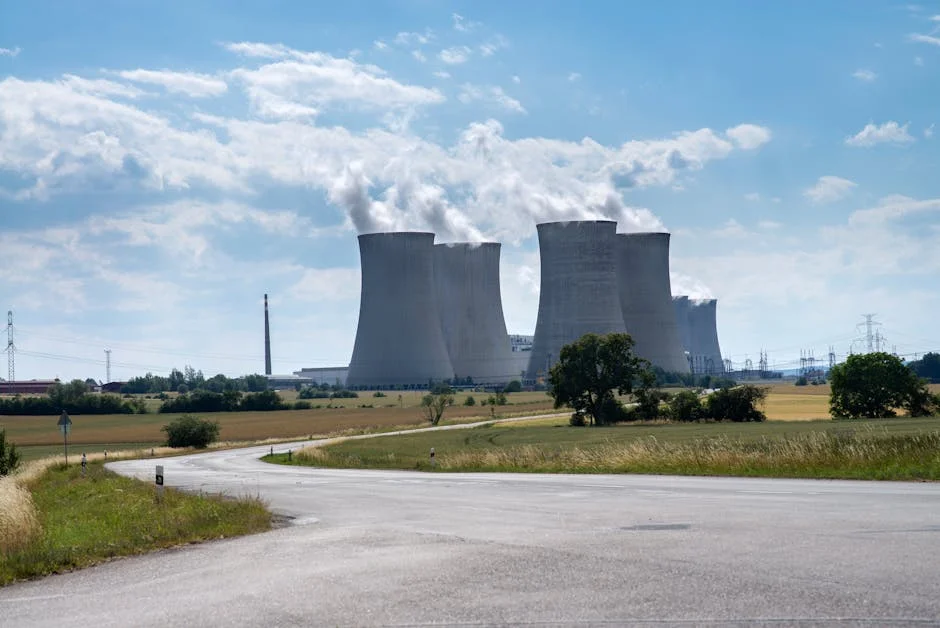
Investors are watching these figures closely because energy costs represent a significant portion of the price index. Higher electricity bills for consumers leave less disposable income for other sectors, potentially slowing retail and service growth. The volatility in the energy sector creates uncertainty for businesses trying to forecast their operating costs for the remainder of the year.
The impact extends beyond residential consumers. Industrial manufacturers, particularly in Germany and France, are facing higher overheads as they run air conditioning systems to protect sensitive equipment. This added cost pressure could force some companies to pass on prices to end-users, further fueling inflationary trends.
Inflation Risks Return to the Forefront


The European Central Bank has identified energy prices as a key driver of potential inflation spikes. The institution noted that the current heat wave could add 0.2% to the annual inflation rate if temperatures remain elevated. This figure might seem small, but it has significant implications for monetary policy decisions in the coming months.
Central bankers are now balancing the need to control prices against the risk of overheating the economy. If energy costs continue to rise, the ECB may need to maintain higher interest rates for longer than previously anticipated. This scenario would increase borrowing costs for businesses and households, potentially slowing investment and consumer spending.
The return of inflationary pressure complicates the economic outlook for Europe. Policymakers must now consider how to mitigate the impact of rising energy costs without stifling growth. This delicate balance requires careful monitoring of market indicators and timely policy adjustments.
Impact on Consumer Spending
Households across Europe are feeling the pinch of rising energy bills. The average monthly electricity bill for a typical European home has increased by 8% compared to the same period last year. This rise reduces the amount of money available for other essential purchases, such as food and transportation.
Retailers are already reporting a shift in consumer behavior. Shoppers are becoming more price-sensitive and are delaying non-essential purchases to manage their budgets. This trend could lead to a slowdown in retail sales, which is a key indicator of economic health in the region.
Businesses in the service sector are also affected. Restaurants and cafes, for example, are facing higher operating costs due to increased energy consumption for cooling and lighting. These costs may be passed on to consumers through menu price increases, further impacting disposable income.
Business Operations Disrupted by Heat
The heat wave is not just affecting costs; it is also disrupting business operations across multiple sectors. Supply chains are experiencing delays as logistics companies struggle with heat-stressed infrastructure and workforce fatigue. Transport companies in Spain and Italy have reported slower delivery times due to road conditions and increased fuel consumption.
Manufacturing plants are also facing productivity challenges. Workers in industries such as construction and manufacturing are taking more frequent breaks to combat heat stress, leading to temporary slowdowns in output. This reduction in productivity could lead to higher unit costs and potential delays in project completions.
The technology sector is also vulnerable. Data centers, which are critical for digital infrastructure, require significant cooling to maintain optimal temperatures. The increased demand for cooling energy is driving up operational costs for tech companies, potentially affecting profit margins.
Agriculture Faces Yield Uncertainties
The agricultural sector is another key area facing pressure from the heat wave. Crop yields in major producing regions such as France and the Po Valley in Italy are at risk of declining due to prolonged dry spells. This could lead to higher prices for staple foods, further contributing to inflation.
Investors in the agribusiness sector are monitoring weather patterns closely to assess potential supply disruptions. The uncertainty surrounding crop yields is creating volatility in commodity markets, with wheat and corn prices showing upward trends. This volatility affects not only farmers but also food processors and retailers.
The long-term impact on agriculture depends on the duration and intensity of the heat wave. Prolonged dry conditions could lead to soil degradation and reduced productivity in future seasons. This would require significant investment in irrigation and adaptive farming practices to mitigate the risks.
Investment Strategies Shift Amid Uncertainty
The economic implications of the heat wave are prompting investors to adjust their strategies. Portfolio managers are increasing exposure to energy and utility stocks, which benefit from rising demand. At the same time, they are reducing holdings in sectors that are highly sensitive to energy costs, such as manufacturing and retail.
Real estate investors are also reassessing the value of commercial properties. Buildings with efficient cooling systems are becoming more attractive, while older properties with higher energy consumption are facing potential devaluation. This shift in preference could drive demand for green building technologies and energy-efficient upgrades.
The uncertainty surrounding the economic impact of the heat wave is leading to a more cautious investment approach. Investors are looking for assets that offer resilience to climate-related risks and stable cash flows. This trend is likely to continue as the frequency and intensity of heat waves increase in Europe.
Policy Responses and Future Outlook
Governments across Europe are implementing various measures to mitigate the economic impact of the heat wave. The European Union has announced a package of subsidies for energy-intensive industries to help offset rising costs. These subsidies aim to prevent job losses and maintain competitiveness in key sectors.
National governments are also introducing temporary tax breaks for households facing high energy bills. These measures are designed to provide immediate relief and stimulate consumer spending. However, the effectiveness of these policies depends on their scale and duration.
The long-term outlook remains uncertain. Climate models predict that heat waves will become more frequent and intense in Europe, posing ongoing challenges for the economy. Policymakers must develop comprehensive strategies to address these challenges, including investments in renewable energy, infrastructure upgrades, and adaptive policies.
Readers should monitor the next quarterly inflation report from the European Central Bank, due in late October, as it will reveal whether these heat-driven energy costs have triggered a broader price surge across the continent.
See Also
- Tokyo Ginza Spraying Incident Injures 20 — Retail Stocks Take Hit
- France Targets Kenya To Replace CFA Franc Zone Dominance
Data centers, which are critical for digital infrastructure, require significant cooling to maintain optimal temperatures. Agriculture Faces Yield Uncertainties The agricultural sector is another key area facing pressure from the heat wave.
What is the latest news about europes heat smashes records energy bills are surging?
Why does this matter for environment?
What are the key facts about europes heat smashes records energy bills are surging?