Ferrari has officially unveiled its first fully electric vehicle, marking a definitive shift for the Maranello-based manufacturer. The launch confirms that the Italian luxury brand is moving beyond its traditional internal combustion engine heritage to compete in the high-end EV sector. Investors watched closely as the company revealed how this new model integrates with its broader financial strategy.
Market Reaction to the Electric Debut
The automotive sector responded immediately to the announcement. Shares of Ferrari S.p.A. experienced volatility in early trading sessions on the Milan Stock Exchange. Traders weighed the excitement of innovation against the potential dilution of the brand's exclusive petrol-engine identity. This uncertainty is typical when heritage brands pivot toward new powertrains.
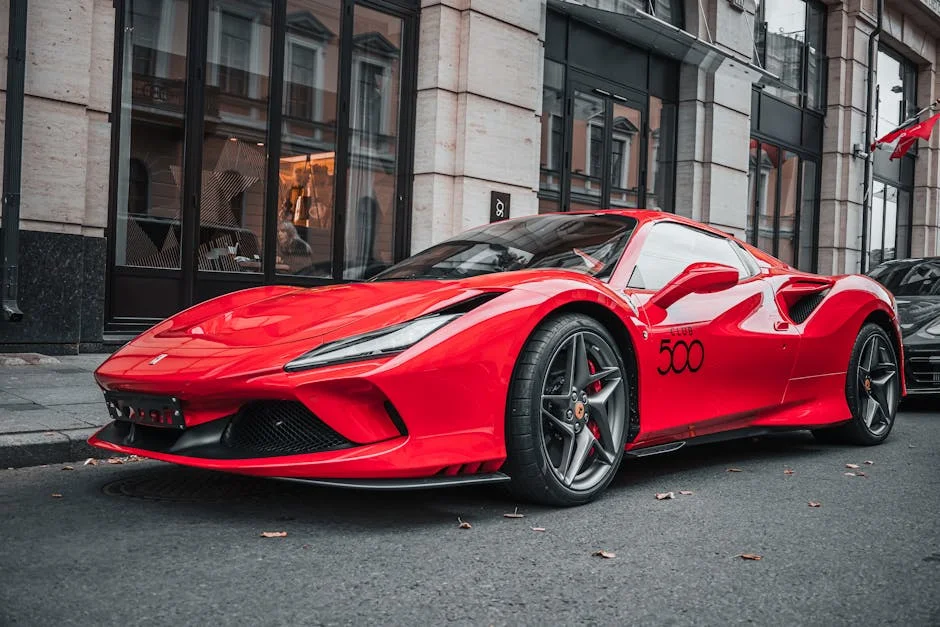
Analysts are now focusing on production volumes and initial order books. The electric model is expected to capture a segment of buyers who value performance but face increasing regulatory pressure in cities like London and Paris. These urban centers are introducing low-emission zones that penalize traditional V12 engines. The shift could open new revenue streams for the company.
Competitors in the luxury EV space are also taking note. Brands such as Porsche and Mercedes-AMG are refining their own electric lineups to counter Ferrari's entry. The competition will likely drive up R&D spending across the sector. Investors should monitor these rival announcements for signs of a broader price war or technology sharing deals.
Impact on the Maranello Supply Chain


The transition to electric power creates immediate changes for Ferrari's suppliers in Emilia-Romagna. Traditional component makers producing pistons, valves, and exhaust systems face a potential decline in demand. New suppliers specializing in battery cells, electric motors, and software will gain greater influence. This reshuffling affects local employment and regional economic stability.
Ferrari has confirmed that it will source critical battery components from both European and Asian partners. This decision reflects the global nature of the EV supply chain. The company aims to secure lithium and cobalt through long-term contracts to stabilize costs. These moves help mitigate the price volatility that has plagued the battery market in recent years.
Local small and medium enterprises (SMEs) in the Maranello area are adapting quickly. Many are investing in retooling their factories to handle lightweight carbon-fiber bodies and electronic control units. This adaptation requires significant capital expenditure, which may strain smaller suppliers. Government subsidies in Italy could play a role in easing this financial burden.
Investment Opportunities in the Supply Chain
Investors looking at the broader ecosystem should examine the supplier list closely. Companies providing thermal management systems and power electronics are well-positioned to benefit. The complexity of an electric powertrain means that fewer, but more specialized, suppliers will dominate. This consolidation trend offers clarity for portfolio managers.
Risk remains high for suppliers who fail to secure contracts for the initial production run. The electric vehicle market rewards scale and speed. Suppliers that can deliver components with high precision and low latency will gain a competitive edge. This dynamic favors established players with strong balance sheets.
Financial Implications for Shareholders
Ferrari's balance sheet remains strong, but the EV transition requires heavy upfront investment. The company has allocated significant capital expenditure for the new model's development and production line. This spending will impact free cash flow in the short term. Long-term profitability depends on maintaining premium pricing.
Shareholders are concerned about the margin compression often seen in early EV models. Traditional Ferrari cars benefit from economies of scale in engine production. Electric vehicles have different cost structures, with batteries representing a large portion of the Bill of Materials. The company must manage these costs carefully to protect its net profit margin.
The dividend policy is also under scrutiny. Ferrari has been known for generous payouts to its investors. Management has indicated that dividends will remain stable during the initial phase of EV production. However, future hikes may depend on the sales volume of the new electric model. Investors should watch quarterly earnings reports for updates.
Regulatory Pressures in Key Markets
European regulations are driving much of Ferrari's electric strategy. The European Union's "Fit for 55" package sets strict CO2 emission targets for carmakers. Failure to meet these targets results in significant fines. An electric model helps Ferrari balance its fleet emissions without relying solely on plug-in hybrids. This regulatory compliance is a key financial driver.
In the UK, the ban on new petrol and diesel cars by 2030 adds urgency. Ferrari must ensure that its electric offering appeals to British buyers. The UK market values heritage and performance, which aligns well with Ferrari's brand. However, consumers are also sensitive to price and charging infrastructure. These factors will influence adoption rates.
Chinese regulations also play a role in the global strategy. The Chinese government offers incentives for EV adoption, making it an attractive market for luxury brands. Ferrari has a growing presence in Shanghai and Beijing. The electric model could help the brand capture a younger, tech-savvy demographic in China. This expansion supports long-term revenue growth.
Brand Positioning and Consumer Perception
Ferrari faces a unique challenge in maintaining its brand equity. The roar of a V12 engine is a key part of the Ferrari experience. Some purists worry that an electric motor lacks the soul of a traditional engine. The company must market the electric model as a performance car first and an EV second. This narrative is crucial for retaining loyal customers.
The company has emphasized the performance metrics of the new model. Acceleration, handling, and top speed are highlighted in the launch materials. Ferrari aims to prove that electric power does not mean a compromise in driving dynamics. Test drives in cities like Milan and London will help shape public opinion. Early reviews will be critical for brand perception.
Marketing strategies will also target new buyers. The electric model may attract younger customers who view sustainability as a key purchase factor. Ferrari is expanding its lifestyle brand through fashion and technology. The EV fits into this broader ecosystem, offering a gateway for new clients. This diversification helps reduce reliance on traditional car buyers.
Production Challenges and Timeline
Producing a high-volume luxury EV is complex. Ferrari plans to manufacture the car in Maranello, using a new dedicated line. This approach allows for greater control over quality and customization. However, ramping up production without disrupting the V12 assembly line is a logistical challenge. The company has invested in flexible manufacturing technology to address this.
Supply chain disruptions remain a risk. The global shortage of semiconductors and battery materials has affected the entire auto industry. Ferrari must secure long-term supplies to avoid production delays. The company has partnered with key suppliers to mitigate these risks. Effective supply chain management will be a key performance indicator.
Delivery timelines for the first customers are expected to start within the next year. Early adopters will likely include collectors and enthusiasts. These initial sales will provide valuable data for future models. Ferrari can use this feedback to refine the electric platform for subsequent releases. This iterative approach helps manage product development risks.
What to Watch Next
Investors should monitor the initial sales figures and customer reviews of the electric model. These metrics will indicate market acceptance and brand strength. Any significant deviations from projections could impact stock prices. The company's quarterly earnings reports will provide detailed financial data on the EV's performance.
Regulatory changes in Europe and the UK will also influence Ferrari's strategy. New emission standards or incentives could shift consumer preferences. The company must remain agile to adapt to these changes. Watching the policy announcements from the European Commission and UK Department for Transport is essential. These developments will shape the competitive landscape for luxury EVs in the coming years.
See Also
- ITV Recasts Coronation Street Star — Ad Revenue at Stake
- Addis Ababa Summit Targets Investment Flows and Trade Deals
Management has indicated that dividends will remain stable during the initial phase of EV production. Regulatory Pressures in Key Markets European regulations are driving much of Ferrari's electric strategy.