Pope Leo issued a stark warning on Monday regarding the rapid integration of artificial intelligence into global supply chains, framing unchecked technological adoption as a primary driver of modern slavery. The pontiff’s intervention extends far beyond theological reflection, striking at the heart of corporate governance and investment strategy for businesses relying on algorithmic efficiency. Financial markets in London and New York are already beginning to price in the reputational and regulatory risks associated with the Vatican’s latest stance.
This development places immediate pressure on technology firms and multinational corporations to audit their AI models for social impact. Investors now face a new dimension of environmental, social, and governance (ESG) criteria that could reshape capital allocation across the tech sector. The Vatican’s voice carries significant weight in shaping global ethical standards, often influencing policy in the European Union and beyond.
Vatican’s Economic Warning on AI
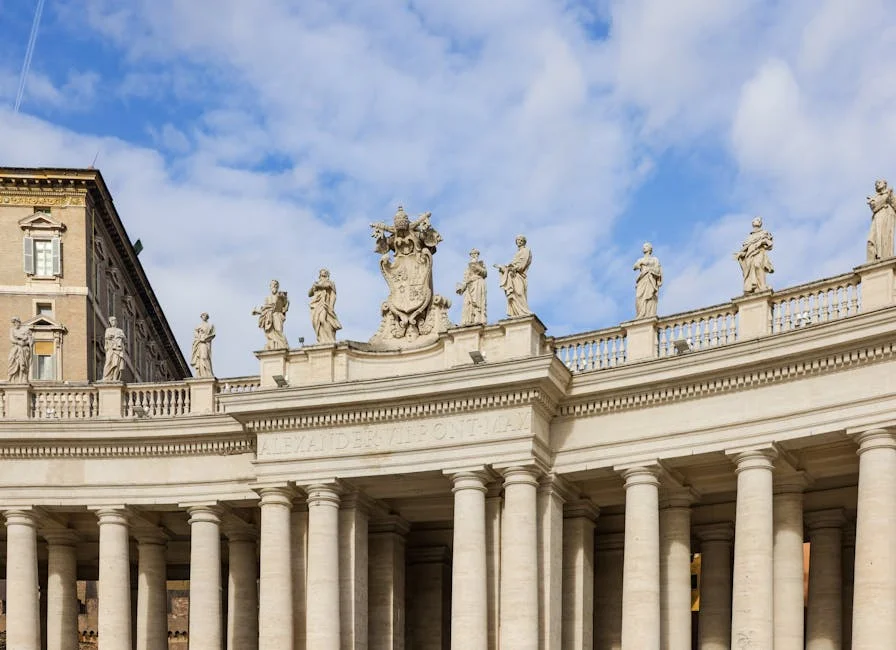
The Pope’s address focused on the concept of "disarming" AI to prevent it from becoming an instrument of human exploitation. He argued that when algorithms prioritize cost reduction over human dignity, the result is a new form of servitude that is harder to detect than traditional labor abuses. This is not merely a moral plea but a structural critique of how value is measured in the digital economy.
Corporate leaders must now consider the hidden costs of efficiency. If AI systems are used to monitor workers with extreme granularity or to automate decision-making in hiring and firing, the potential for systemic bias and dehumanization increases. The Pope’s warning suggests that without robust oversight, the financial gains from AI could be offset by long-term liabilities related to labor disputes and consumer backlash.
Defining the Scope of Digital Exploitation
Modern slavery in the AI age often manifests through data extraction and algorithmic management. Workers in the Global South, for instance, may find themselves trapped in gig-economy platforms where their wages are dictated by opaque algorithms that adjust rates in real-time. This creates a power imbalance that mirrors historical forms of economic dependency, making it difficult for individual workers to negotiate fair terms.
The Vatican’s call to "disarm" implies a need for technical and regulatory interventions that strip away the excessive power of algorithms over human lives. This could involve mandating transparency in how AI makes decisions affecting employment, ensuring that human oversight remains a central component of management structures. Such measures would require significant investment in compliance and data infrastructure.
Market Implications for UK Investors


For investors in the UK, the Pope’s statement signals a potential shift in regulatory focus within the European market. The UK’s post-Brexit regulatory framework is currently under review, with particular attention being paid to data protection and digital rights. A stronger ethical stance from influential global bodies like the Vatican could accelerate the adoption of stricter AI governance laws in London.
Technology stocks may face volatility as investors reassess the risk profiles of companies with less transparent AI practices. Firms that proactively adopt ethical AI frameworks could see a premium in their valuation, as they are perceived as better positioned to handle future regulatory changes. Conversely, companies that rely heavily on "black box" algorithms may face increased scrutiny from institutional investors who are increasingly sensitive to ESG factors.
The impact on the UK market will depend on how quickly policymakers respond to these growing ethical concerns. If the UK government decides to align its AI regulations more closely with emerging global ethical standards, it could create new opportunities for consulting firms and technology providers specializing in AI transparency and governance. This could also lead to increased merger and acquisition activity as larger firms seek to acquire smaller companies with robust ethical AI solutions.
Corporate Governance and Risk Management
Boardrooms across the globe are now forced to confront the question of how AI influences their corporate culture and labor practices. The Pope’s warning serves as a reminder that technology is not neutral; it reflects the values and priorities of those who design and deploy it. Companies that fail to consider the human impact of their AI systems risk damaging their brand reputation and losing customer trust.
Risk management strategies must evolve to include ethical AI audits as a standard component of due diligence. This involves evaluating how AI systems are trained, what data they use, and how decisions are made. It also requires establishing clear lines of accountability for AI-driven outcomes, ensuring that human managers retain ultimate responsibility for key business decisions. This shift will require new skills and expertise within corporate governance teams.
Businesses that integrate ethical considerations into their AI strategy are likely to be more resilient in the face of changing consumer preferences and regulatory environments. Consumers are becoming more aware of the role that technology plays in their lives and are increasingly demanding transparency and fairness from the brands they support. Companies that can demonstrate a commitment to ethical AI will be better positioned to attract and retain customers.
Regulatory Landscape and Policy Responses
The Vatican’s intervention adds another layer of complexity to the ongoing global debate on AI regulation. Governments in Europe, North America, and Asia are all working to develop comprehensive frameworks for governing artificial intelligence. The Pope’s emphasis on the social impact of AI could influence the direction of these regulatory efforts, pushing policymakers to prioritize human rights and labor protections.
In the European Union, the AI Act is already setting a high bar for transparency and accountability. The Pope’s warning could strengthen the political will to enforce these regulations more strictly, particularly in sectors where AI has a direct impact on workers’ lives. This could lead to increased compliance costs for businesses operating in the EU, but it could also create a competitive advantage for companies that are early adopters of ethical AI practices.
The UK government is also under pressure to define its own approach to AI regulation. The recent White Paper on AI policy in the UK has been praised for its flexibility, but critics argue that it lacks sufficient teeth to protect workers from algorithmic exploitation. The Pope’s statement could serve as a catalyst for more robust legislative action, forcing the UK to clarify its stance on digital rights and labor protections in the age of AI.
Investment Strategies and Portfolio Adjustments
Investors need to adjust their strategies to account for the growing importance of ethical AI. This involves conducting deeper due diligence on the AI practices of portfolio companies and engaging with management teams to understand their approach to governance. It also requires monitoring regulatory developments and consumer trends to identify potential risks and opportunities.
Diversification may become even more critical as the AI landscape continues to evolve. Investors should consider spreading their exposure across different sectors and geographies to mitigate the impact of regulatory changes and market shifts. This could involve increasing allocations to companies that are leaders in ethical AI, such as those specializing in explainable AI or human-centric design.
Active engagement with companies on AI ethics will also become an important tool for investors. This could involve filing shareholder resolutions, participating in board meetings, and collaborating with other investors to drive change. By taking a more active role in shaping corporate AI strategy, investors can help ensure that the benefits of artificial intelligence are shared more equitably across society.
Global Supply Chain Vulnerabilities
The Pope’s warning highlights the vulnerabilities in global supply chains that are increasingly dependent on AI. From automated warehouses to algorithmic logistics, AI is reshaping how goods are produced and distributed. However, this reliance on technology also creates new points of failure and potential for exploitation, particularly in regions with weaker labor protections.
Businesses that operate in complex supply chains must take steps to ensure that their AI systems are not contributing to modern slavery. This involves working closely with suppliers to audit their AI practices and ensure that they meet ethical standards. It also requires investing in technology that can track and trace products through the supply chain, providing greater transparency for consumers and regulators.
The cost of inaction could be high for companies that fail to address these issues. Consumer boycotts, regulatory fines, and reputational damage are all potential consequences of ethical lapses in AI-driven supply chains. Companies that proactively manage these risks will be better positioned to maintain their competitive edge and build long-term value.
Future Outlook and Key Indicators
The impact of the Pope’s warning will unfold over time, as businesses and policymakers respond to the growing pressure for ethical AI. Investors should watch for developments in regulatory frameworks, corporate governance practices, and consumer behavior. These indicators will provide valuable insights into the direction of the AI market and the potential risks and opportunities for investors.
Key metrics to monitor include the adoption rates of ethical AI frameworks, the number of regulatory actions taken against companies for AI-related issues, and changes in consumer sentiment towards AI-driven products and services. By staying informed about these trends, investors can make more informed decisions and position themselves for long-term success in the age of artificial intelligence.
The next six months will be critical in determining how seriously the business community takes the Vatican’s call to action. Watch for announcements from major tech firms regarding their AI governance strategies and for legislative updates from key markets like the UK and the EU. These developments will shape the future of AI investment and determine which companies emerge as leaders in the ethical AI era.
See Also
- Australia's Energy Model Offers South Africa a Roadmap to Cheaper Power
- Senate Adopts G.O.P. Budget, Sidelines Democrats' Economic Proposals
Future Outlook and Key Indicators The impact of the Pope’s warning will unfold over time, as businesses and policymakers respond to the growing pressure for ethical AI. Watch for announcements from major tech firms regarding their AI governance strategies and for legislative updates from key markets like the UK and the EU.