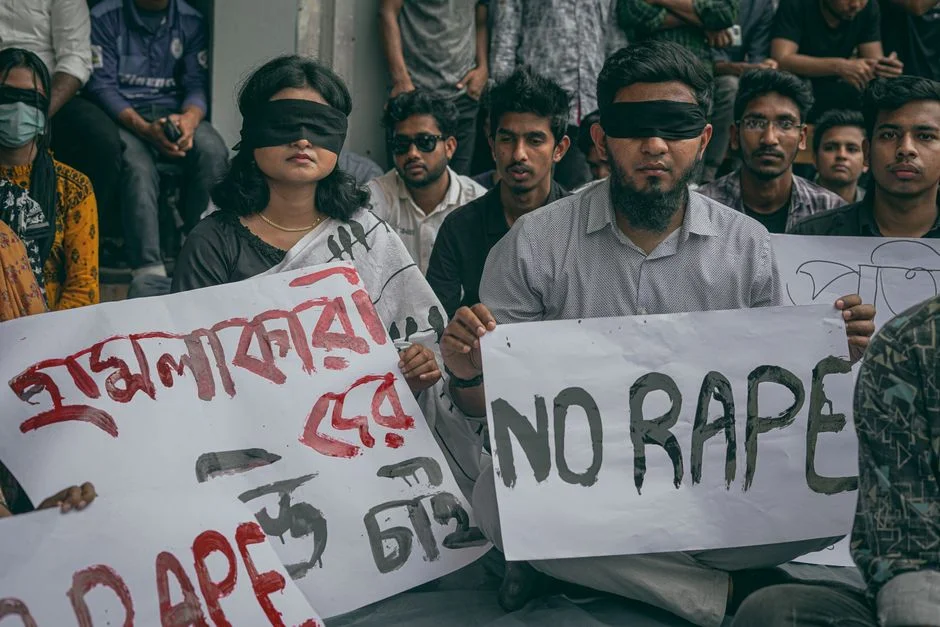
Sizwe Ngcobo, a prominent South African social activist, has spoken out against the recent trend of scapegoating foreign nationals for the country’s mounting economic problems. On Africa Day, celebrated on 25 May, Ngcobo addressed a crowd in Johannesburg, stressing that targeting immigrants will not remedy the deep-seated issues facing South Africa.
Ngcobo's Call for Unity Over Division
During his address, Ngcobo highlighted that violence and discrimination against foreign nationals have escalated amid South Africa's rising unemployment rate, which now stands at an alarming 34.9%. He pointed out that rather than blaming immigrants, the nation should focus on collaborative solutions to tackle these challenges.
"Scapegoating foreign nationals only deepens societal divisions and distracts from the critical reforms we need to implement to stimulate the economy," Ngcobo stated. He urged citizens and leaders alike to prioritise unity and cooperation to address the underlying problems affecting the country.
The Economic Impact of Blame Culture
The tendency to blame foreign nationals for local job losses is not new in South Africa, but it has recently intensified, particularly in areas with high unemployment. This rhetoric can have dire consequences for businesses operating in such environments. When communities turn against immigrants, it may lead to increased violence and economic instability.
Local businesses, particularly in sectors like retail and hospitality, often rely heavily on foreign workers. A backlash could disrupt operations and discourage investment, ultimately stunting economic growth. According to the South African Chamber of Commerce and Industry, businesses face losses of up to R1.5 billion (£77 million) if unrest escalates dramatically.
Ubuntu's Vision for Economic Resilience
Ngcobo, associated with the Ubuntu movement, advocates for a more inclusive society that embraces diversity as a strength rather than a liability. The Ubuntu philosophy, rooted in interconnectedness, emphasises community support and shared prosperity. By fostering an environment where all individuals are valued, South Africa could potentially unlock new avenues for economic growth.
"Promoting inclusivity could transform our economy," Ngcobo added, reinforcing his belief that diverse efforts can lead to innovative solutions for persistent issues like poverty and inequality. A united approach may create a more robust workforce and attract foreign investments, bolstering the economy in the long term.
Global Reactions and Implications
The recent comments from Ngcobo have resonated beyond South Africa, raising awareness of the broader implications of immigration policies globally. Investors are increasingly scrutinising nations that exhibit xenophobic tendencies, as social unrest poses risks to economic stability.
In the UK, businesses are paying close attention to how such sentiments affect market dynamics. If South Africa's reputation as a viable investment destination is tarnished, it could lead to reduced foreign direct investment, crucial for the struggling economy.
Next Steps for South Africa
Looking ahead, South Africa faces critical choices. Initiatives aimed at fostering inclusivity, such as community dialogues and legislative reforms that promote equal opportunity, are essential. These moves must be prioritised to counteract harmful narratives surrounding immigration.
With upcoming local elections, the government has an opportunity to articulate a clear stance on immigration and economic development, fostering a climate of acceptance. How leaders respond to Ngcobo's message may influence public sentiment and economic outcomes in the near future.
See Also
- Australia's Search for Missing Girl Near Alice Springs Raises National Concerns
- Congo Rebels Surge Amid Violence — Prices and Stability at Risk
If South Africa's reputation as a viable investment destination is tarnished, it could lead to reduced foreign direct investment, crucial for the struggling economy.Next Steps for South AfricaLooking ahead, South Africa faces critical choices. See AlsoAustralia's Search for Missing Girl Near Alice Springs Raises National ConcernsCongo Rebels Surge Amid Violence — Prices and Stability at Risk