A horrific shooting incident in the lakeside city of Goma, Congo, has left residents shaken as violence escalates in the region. Witnesses described the chilling event, where a resident was shot in the head, heightening fears and uncertainty amidst ongoing conflict involving the M23 rebel group. As December approaches, the political and economic ramifications of this violence extend far beyond the borders of Congo, raising alarms for businesses and investors across the UK.
Rising Violence and Rebel Activity
The M23 rebel group, which has been engaged in armed conflict with the Congolese government, has intensified its operations in recent weeks. In November alone, reports indicated a surge in attacks, with over 50 incidents attributed to the group, leading to a significant increase in civilian casualties. The worsening security situation has left the city of Goma in a state of panic, impacting daily life for its approximately 1 million residents.
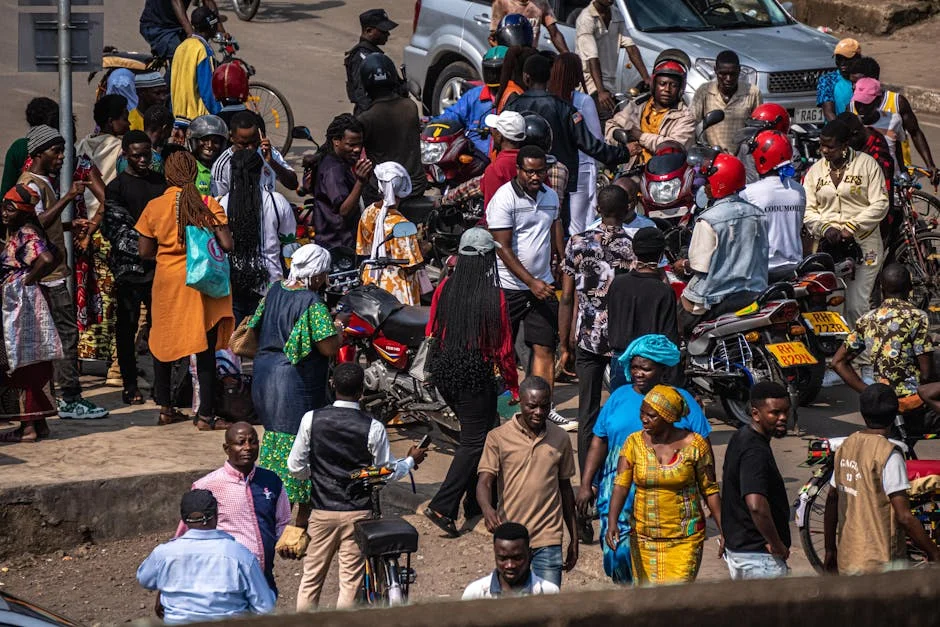
Local authorities have struggled to maintain order, with the Congolese army reportedly overwhelmed by the rebels' advances. Civilians are fleeing their homes, contributing to a rising number of internally displaced persons, now estimated at more than 5.6 million across the country, according to the United Nations.
Impact on Local Economies

The conflict's escalation has severe implications for local businesses in Goma and surrounding regions. Merchants report dwindling supplies as roads become increasingly unsafe for transport. With the impending festive season, traders face a lack of goods, driving prices for essential items up by nearly 30% in some cases.
This inflationary environment not only burdens local consumers but also poses risks for external investors eyeing opportunities in Congo's untapped markets. Companies may reconsider their supply chains and investment strategies, particularly those dependent on stability in the region.
International Response and Market Implications
The international community has begun to react to the violence, with the United Nations Security Council discussing potential sanctions against the rebel group and the Rwandan government, accused of supporting them. This geopolitical tension directly correlates with market stability, as investors remain wary of potential sanctions that could affect resource extraction and trade in the region.
In the UK, businesses with ties to Congolese resources, particularly in mining and precious metals, are watching developments closely. Analysts suggest that prolonged instability could disrupt supply chains, leading to increased costs and potential price hikes in global markets.
The Role of December in Rebel Politics
As December unfolds, the month historically marks significant political changes in central Africa. Speculation about negotiations or shifts in power dynamics could either lead to a resolution or exacerbate the ongoing conflict. Market analysts are particularly focused on how these developments could influence international relations and investor confidence.
What Investors Should Watch
Investors are advised to closely monitor political statements from the Congolese government and developments concerning peace talks with the rebels. The potential for humanitarian assistance from foreign nations may also play a role in stabilising the situation, which could be a double-edged sword for local markets.
For UK investors, assessing the risk of exposure to regions impacted by the conflict will be crucial moving forward. With the festive season approaching, heightened demand for commodities could lead to an increase in prices if supply chains become further disrupted.
Looking Ahead: December's Developments
As this tumultuous month progresses, the actions taken by the Congolese government, the international community, and the rebel forces will be critical in shaping the future stability of the region. Investors should prepare for heightened volatility and keep a close eye on potential economic sanctions or shifts in foreign policy that could alter market dynamics substantially.
See Also
- Demasiado Seguro Shocks Markets — Portugal’s Insurance Sector Faces Reckoning
- Mikel Arteta Reveals Arsenal's Starting XI for UCL Final Against PSG