A dispute between South Africa's aviation regulators has thrown the nation's airspace into uncertainty, leaving airlines scrambling to preserve routes and investors weighing the fallout for a sector already under pressure. The standoff, which has escalated over recent months, centres on competing claims over authority to approve new routes and allocate landing slots at major airports.
The Regulatory Clash Explained
The conflict pits the South African Civil Aviation Authority against the Air Traffic and Navigation Services company, two bodies whose mandates overlap in ways that have never been cleanly resolved. At issue is which regulator holds final say over route allocations at airports including O.R. Tambo International in Johannesburg and Cape Town International. The dispute has stalled decisions on at least seven proposed new routes, according to industry sources familiar with the matter.
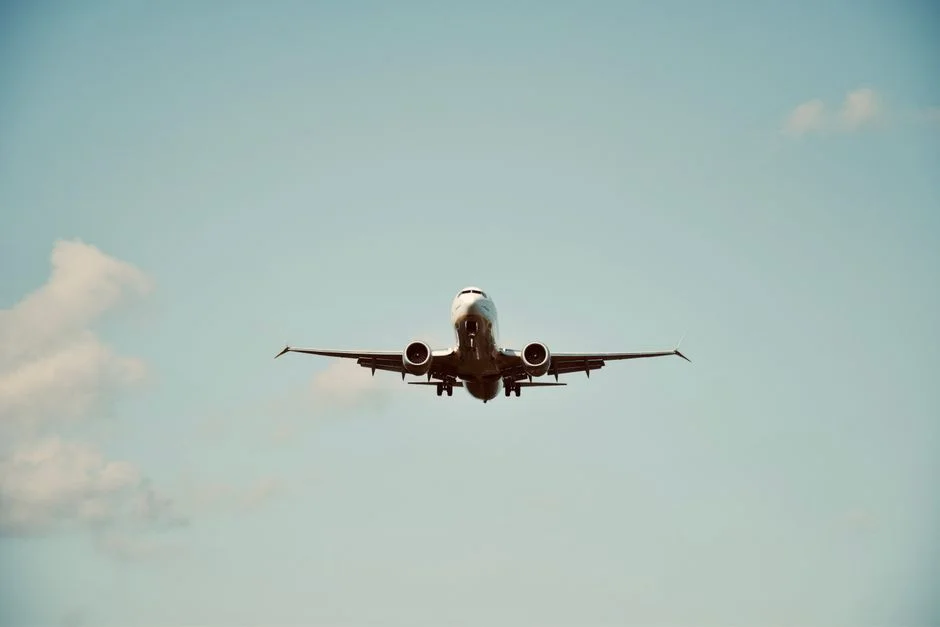
Neither agency has moved to clarify the jurisdictional boundary, leaving airlines in limbo. Several carriers have warned they may suspend operations on affected routes if clarity does not emerge within weeks.
Why This Matters for Airlines


Airlines operating in South Africa face a peculiar problem: two regulators, one sky, and no referee. FlySafair, one of the country's fastest-growing low-cost carriers, confirmed it has paused expansion plans pending resolution. The airline had been poised to launch three new routes connecting secondary cities to tourism hotspots along the Garden Route.
South African Airways, the national carrier still recovering from a restructuring that concluded in 2021, finds itself caught in the middle. The airline needs route expansion to rebuild revenue, yet every new proposal gets trapped in the regulatory quagmire.
Economic Stakes Mount
Aviation contributes roughly 2.1 percent to South Africa's gross domestic product, a figure that understates its broader economic weight. Tourism operators, freight companies, and hospitality businesses all depend on reliable air connectivity. Cape Town alone attracts more than 1.5 million international visitors annually, most of whom arrive by air. Any sustained disruption to routes serving the Western Cape would ripple through hotel bookings, restaurant reservations, and guided tour operators.
The freight dimension adds another layer of concern. South Africa's agricultural exporters, particularly those shipping time-sensitive produce like stone fruit and flowers to European markets, rely on scheduled cargo capacity. Delays in route approvals translate directly into lost contracts.
Investor Confidence Takes a Hit
International carriers have taken notice. Two Gulf-based airlines, which industry insiders say had been evaluating increased service to Cape Town, have deferred decisions pending regulatory clarity. This matters because competition between carriers typically drives down ticket prices for consumers. Fewer operators means higher fares, and higher fares mean fewer passengers.
South Africa's aspiration to position itself as a continental aviation hub—the logical connecting point between Europe, Asia, and other African markets—depends on having a regulatory environment that functions smoothly. The current chaos sends the opposite signal.
The Legal Vacuum
The Department of Transport, which oversees both agencies, has been notably silent. A spokesperson told Inside that the matter was "under review" but declined to specify a timeline. Legal experts in aviation law say the dispute exposes a structural flaw in South Africa's regulatory architecture that has existed since at least 2016, when the Air Traffic and Navigation Services company was separated from the civil aviation authority.
"You cannot have two agencies claiming authority over the same decisions without a clear escalation mechanism," said a Johannesburg-based aviation lawyer who asked not to be named because the matter involves ongoing client work. "This is exactly the kind of uncertainty that deters investment."
What Comes Next
The Cabinet is expected to receive a briefing on the standoff before the end of the current parliamentary term. Sources within the transport ministry suggest a memorandum may be prepared that would clarify the division of authority, but no commitment has been made publicly.
Airlines are watching closely. If the government fails to act, at least one major carrier has indicated it will seek urgent interdict relief through the courts—a move that would force a judicial resolution but could take months to play out.
The window for resolution is narrowing. The northern hemisphere summer season, typically a peak period for tourism traffic to South Africa, begins in December. Route applications need approval well before then to allow scheduling, crew training, and slot coordination. Industry executives say the practical deadline for intervention is late September—roughly six weeks away.
Until then, South Africa's skies remain contested territory, and the cost of that contest will eventually land with passengers, shippers, and investors alike.
See Also
- South Africa Raises Petrol Prices by R1.43 — Businesses Brace for Impact
- Starmer’s Labour Party Crumbles in Local Polls, Sending Shockwaves Through UK Markets
What is the latest news about south africas aviation regulators face off as airlines lose routes?
Why does this matter for world-news?
What are the key facts about south africas aviation regulators face off as airlines lose routes?