Residents across the Western Cape are being urged to take immediate precautions as meteorologists confirm a severe cold front will sweep through the region within days. The South African Weather Service issued the advisory early this week, warning that temperatures could plummet sharply and bring heavy rainfall to coastal and inland areas alike. Authorities have urged the public to secure loose outdoor items, check heating systems, and stock essential supplies before conditions deteriorate. The timing poses particular challenges for businesses still recovering from recent economic pressures.
Agriculture Faces Acute Risk
The agricultural sector stands to suffer the most immediate damage. Wine producers in regions such as Stellenbosch and Franschhoek are monitoring their vines closely, as unseasonably cold conditions during the growing season can devastate tender shoots and reduce yields significantly. Stone fruit farmers in the Breede River Valley face similar exposure. Insurance assessors typically see a spike in weather-related claims following events of this magnitude, with potential losses running into hundreds of millions of rand depending on the duration and intensity of the freeze. Agricultural cooperatives have begun coordinating emergency protocols to protect livestock and vulnerable crops.

Retail and Energy Sectors Brace for Surges

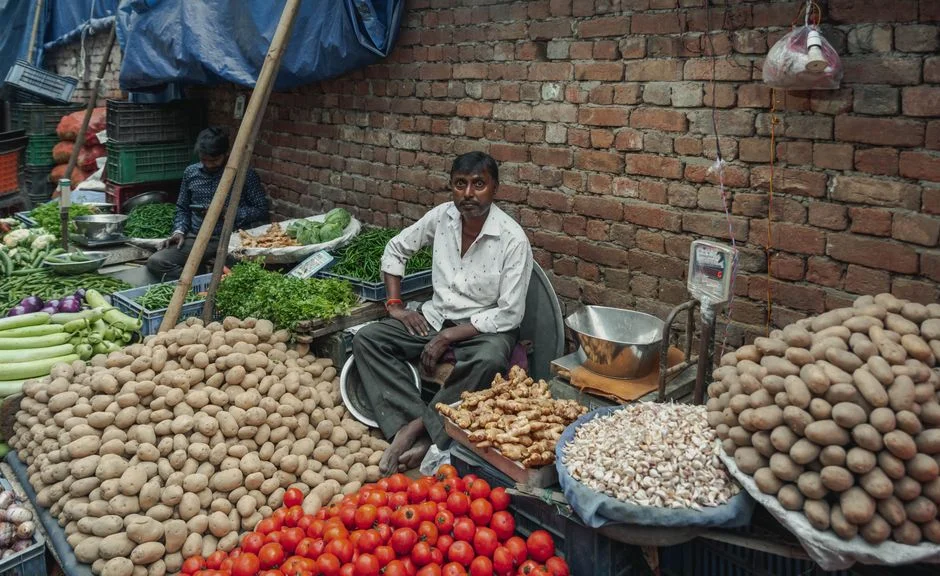
Retailers are anticipating a rapid shift in consumer demand as households prioritise warmth and shelter. Suppliers of electric blankets, heaters, and thermal clothing have reported heightened activity at distribution centres in Cape Town and Paarl. Energy providers are preparing for increased load demand on the grid, with Eskom likely to face pressure on generation capacity during peak evening hours. The Western Cape government has not announced any emergency subsidies for businesses, but officials have held preliminary discussions with industrial associations about contingency planning.
Supply Chain Considerations
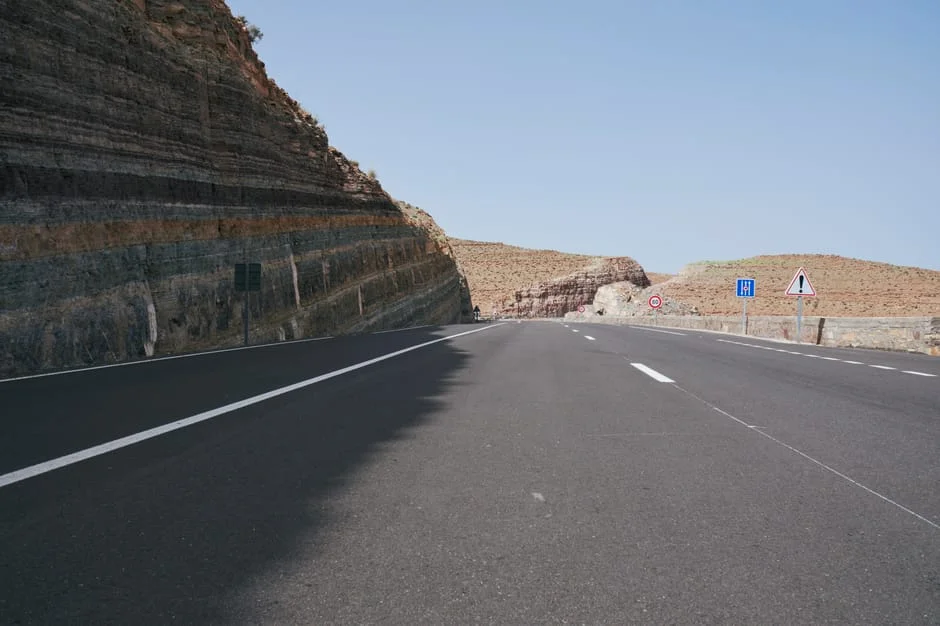
Transport links connecting the Winelands to Port Elizabeth and Johannesburg could face disruptions if heavy rain renders mountain passes treacherous. Logistics companies have begun adjusting delivery schedules to minimise exposure. Fresh produce moving from rural farms to metropolitan markets may encounter delays, potentially affecting wholesale prices in the short term. Shoppers in suburban areas should expect temporary shortages of cold-weather staples if road conditions deteriorate significantly.
Tourism Operators Watch Closely
Cape Town's hospitality industry faces a complicated picture. While mountain hiking trails and outdoor attractions will likely close temporarily, hotel occupancy rates may actually benefit from domestic tourists seeking cosy indoor experiences. Restaurant groups operating in the city bowl are adjusting reservation systems and sourcing additional firewood for outdoor heating installations. The Table Mountain Aerial Cableway Company typically suspends operations during severe weather events, resulting in lost revenue that compounds existing pressures from fluctuating international visitor numbers.
Infrastructure Under Pressure
Municipal authorities in Cape Town are mobilising crews to clear storm drains and reinforce flood barriers in low-lying suburbs. The City has allocated emergency response teams to monitor informal settlements where residents face heightened vulnerability during extreme weather. Construction sites across the metropole have been advised to secure scaffolding and cover building materials. Power outages triggered by wind damage could disproportionately affect small businesses without backup generation capacity.
What Comes Next
The South African Weather Service is expected to release updated projections by Thursday, which will allow businesses to refine their contingency measures. Residents should monitor official channels for evacuation orders in flood-prone areas. Agricultural stakeholders will know within seventy-two hours whether crop damage has occurred and at what scale. Markets for winter vegetables, including cauliflower and broccoli from the Boland region, may see price volatility if harvests are interrupted. Investors with exposure to Western Cape agribusiness should watch commodity reports closely over the coming fortnight for damage assessments and insurance claim filings.
See Also
- Arteta Aims to Disrupt PSG's Dominance — Key Stakes for Arsenal Investors
- Northern Supporters Who Delivered Tinubu Now Switch to Olawepo-Hashim
Shoppers in suburban areas should expect temporary shortages of cold-weather staples if road conditions deteriorate significantly.Tourism Operators Watch CloselyCape Town's hospitality industry faces a complicated picture. The City has allocated emergency response teams to monitor informal settlements where residents face heightened vulnerability during extreme weather.
What is the latest news about western cape issues emergency warning as severe cold front bears down?
Why does this matter for world-news?
What are the key facts about western cape issues emergency warning as severe cold front bears down?