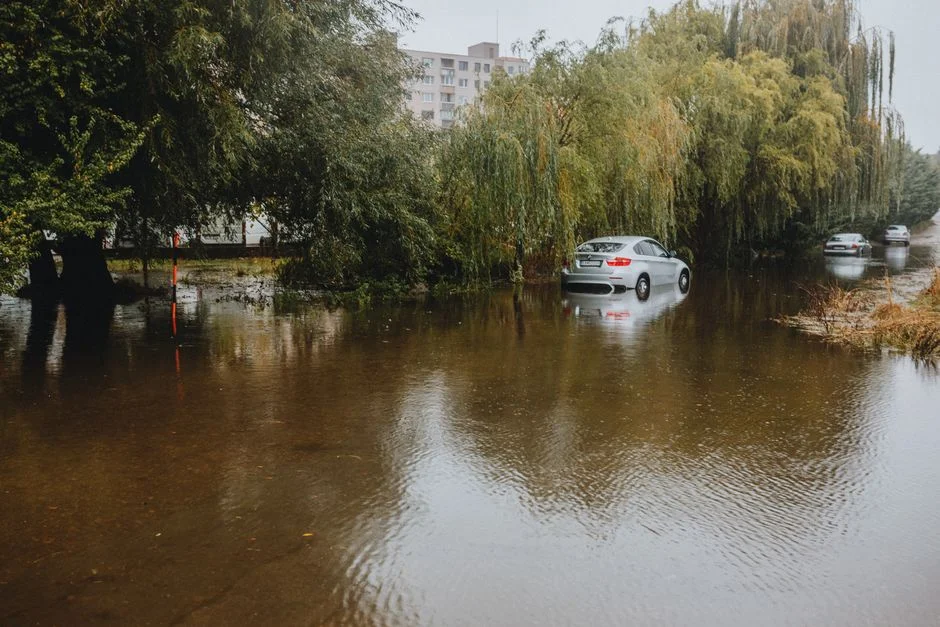
Tropical Storm Rachel brought intense waves and severe flooding to Southern California and Mexico’s Baja California region over the weekend. The remnants of the storm destroyed a boardwalk in Long Beach and damaged waterfront homes as city streets were overtaken by water.
Immediate Impact on Coastal Communities
Residents in Southern California are now picking up the pieces after the storm’s remnants weakened into a post-tropical cyclone but still delivered a heavy blow to the coast. The storm’s path left a clear trail of destruction, with meteorologists noting that the system retained enough power to batter beachside properties significantly. In Long Beach, the force of the waves was sufficient to destroy the boardwalk, a central public space for local residents and visitors. Waterfront homes in the area sustained visible damage from the surge and flooding that overtook the streets. The event highlights the vulnerability of coastal infrastructure when post-tropical systems maintain high energy levels. Local authorities are likely assessing the extent of the damage to public utilities and private residences. The destruction of the Long Beach boardwalk represents a tangible loss of community space and a potential economic hit for local businesses. Residents are now facing the immediate task of clearing debris and repairing structural damage to their homes. The flooding that overtook city streets suggests that drainage systems may have been overwhelmed by the volume of water. This kind of rapid-onset flooding can disrupt daily life and access to essential services for days. The impact on Baja California was similarly severe, indicating that the storm’s reach extended well beyond the US border. Communities on both sides of the border are dealing with the same meteorological event but may have different capacities for response. The shared impact underscores the regional nature of the weather system. People in affected areas are now focused on recovery and safety checks. The immediate aftermath often brings secondary risks such as mould or electrical hazards. Local emergency services are likely prioritizing areas with the most severe structural damage. The destruction of public infrastructure like boardwalks affects the social fabric of coastal towns. These spaces are not just tourist attractions but vital community hubs. The loss of such spaces can have long-term social consequences for local residents. The storm’s ability to cause this level of damage while weakening shows the unpredictable nature of post-tropical cyclones. Residents are advised to remain cautious of unstable structures and flooded roads. The cleanup process will require significant effort from both individuals and local governments. The speed at which streets were overtaken suggests that warning times may have been short. This rapid escalation can catch residents off guard even with advance warnings. The visual evidence of the destroyed boardwalk serves as a stark reminder of the storm’s power. It also signals the need for better resilience in coastal planning. The damage to homes indicates that many properties were not fully protected against surge. This could lead to discussions about building codes and insurance in the future. The immediate focus remains on ensuring that all residents are safe and accounted for. Emergency responders are likely working through the night to clear major roads. The restoration of power and water supplies will be a key priority. The social impact of losing a central community space like a boardwalk is often underestimated. It removes a place for social interaction and local commerce. The economic ripple effects could be felt by local businesses that rely on foot traffic. The storm has disrupted the routine of daily life for thousands of people. The recovery phase will test the resilience of these coastal communities. The shared experience of Baja California and Southern California highlights the cross-border nature of the disaster. Both regions are now dealing with the physical and social aftermath of the same weather event. The destruction is visible and immediate, providing a clear picture of the storm’s impact. The focus now shifts from immediate rescue to long-term recovery and assessment. The community will need to come together to rebuild and support those most affected. The storm has left a lasting mark on the landscape and the lives of those who live there.
See Also

- South Africa Faces Mental Health Crisis — Daily Affirmations Surge Amid Struggles
- South Africa Launches Climate-Health Tracking Platform to Prevent Disease Outbreaks
Emergency responders are likely working through the night to clear major roads. The cleanup process will require significant effort from both individuals and local governments.