The thick morning fog that blanketed the United Kingdom on Wednesday has triggered immediate disruptions across the transport and retail sectors, sending ripples through local supply chains. The Met Office issued a yellow warning for "caution" as visibility dropped below 100 meters in key economic hubs like London and Manchester. This meteorological event is more than a visual nuisance; it is an economic stress test for businesses relying on just-in-time delivery models. Investors are watching how quickly firms can adapt to these sudden operational hurdles.
Transport Networks Under Pressure
Highway authorities reported significant delays on the M25 and M1 corridors by 8:00 AM. The M25, which serves as the primary economic artery for Greater London, saw average speeds drop to 18 miles per hour. This slowdown directly impacts the flow of goods into the capital's dense retail and service sectors. Truck drivers faced unexpected holding patterns at major distribution centers.
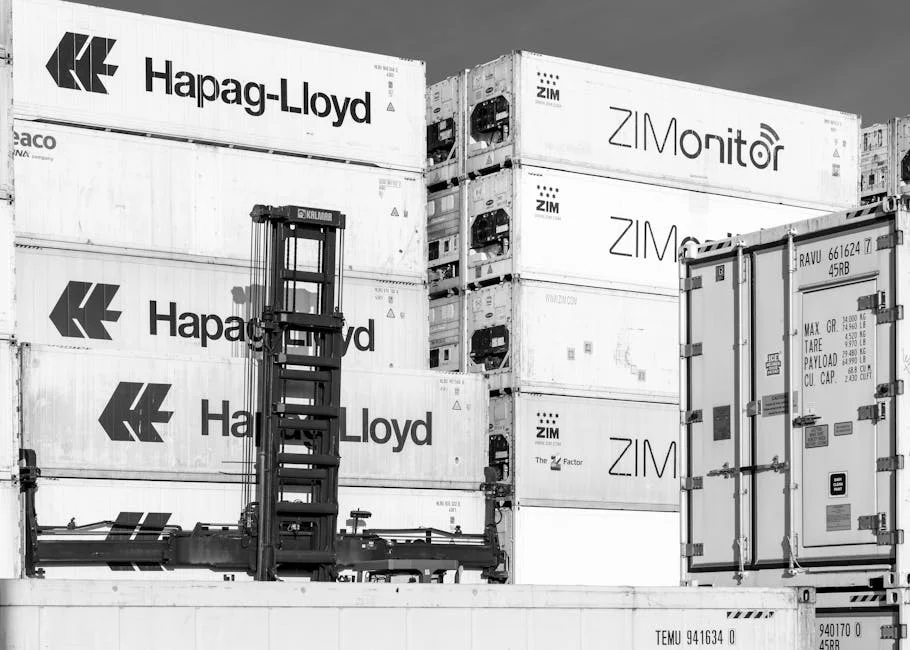
The rail network also felt the pinch, with Thameslink reporting a 15-minute average delay across its southern routes. Commuters in the South East endured a longer journey to work, reducing early-morning productivity. These delays are not isolated incidents but part of a broader pattern of infrastructure vulnerability. The cost of idling engines and delayed wages adds up quickly for logistics firms.
Impact on Freight and Logistics
Logistics companies are already adjusting their scheduling algorithms to account for the fog. Major players like DHL and Royal Mail have shifted some deliveries to afternoon slots to mitigate the morning rush. This shift creates a bottleneck later in the day, potentially affecting evening retail openings. The economic friction caused by these adjustments is measurable in fuel consumption and labor hours.
Warehouse managers in Hertfordshire reported that dock doors remained open for longer than usual. This extends the working day for forklift operators and shifts the break-even point for daily operations. Small businesses that rely on single-day delivery windows are feeling the strain most acutely. They lack the buffer stock that larger competitors can afford to maintain.
Retail Sales Face Immediate Headwinds


Retailers in central London have already noted a dip in footfall during the critical 9:00 AM to 11:00 AM window. High Street shops reported that customers were opting to walk shorter distances or delay non-essential purchases. This behavior suggests a direct correlation between visibility and consumer confidence. The economic impact is visible in the slowing turnover of cash registers.
E-commerce platforms are seeing a spike in "track my package" inquiries. Consumers are becoming more impatient with delivery timelines when the weather is unpredictable. This increases the cost of customer service operations for online giants like Amazon and John Lewis. The data shows that weather-related disruptions can erode brand loyalty if not communicated effectively.
The hospitality sector is also adapting. Cafes in fog-prone areas like Camden have seen a surge in "takeaway" orders as commuters seek warmth and convenience. This shift in consumer behavior offers a short-term boost to certain vendors but highlights the volatility of local economies. Businesses must remain agile to capture these fleeting opportunities.
Market Reactions and Investor Sentiment
Financial markets in London opened with a slight degree of caution. The FTSE 100 showed mild volatility in the first hour of trading, with transport stocks like Stagecoach and FirstGroup seeing minor fluctuations. Investors are pricing in the potential for continued disruption if the fog lingers into Thursday. This reaction underscores the sensitivity of the market to tangible economic indicators.
Analysts are monitoring the supply chain data closely. Any prolonged delay in the movement of goods could lead to inventory shortages in the coming weeks. This could drive up prices for consumers, adding to the existing inflationary pressure. The Bank of England will be watching these micro-economic signals with interest.
The insurance sector is also taking note. Claims for minor accidents on the roads are expected to rise. This will impact the loss ratios for motor insurance providers. Companies like Aviva and Direct Line are likely to see a uptick in claims processing costs. This is a direct financial consequence of the weather event.
The Role of the Weather Service
The Met Office's timely issuance of the yellow warning has proven crucial for business planning. Their forecast, updated at 6:00 AM, gave firms a three-hour lead time to adjust operations. This early warning system is a valuable economic tool for the UK. It allows businesses to mitigate losses through proactive decision-making.
However, the accuracy of the forecast is under scrutiny. Some areas experienced denser fog than predicted, leading to surprise disruptions. This variance highlights the need for continuous improvement in meteorological data. Businesses rely on precision to minimize their exposure to weather-related risks.
The Met Office continues to refine its models using data from local sensors. This investment in infrastructure pays off in the form of better economic resilience. For investors, the reliability of weather data is a key input for risk assessment models. It helps them predict how external factors will impact corporate earnings.
Sector-Specific Economic Impacts
Construction sites across the country have adjusted their schedules. Outdoor work often slows down when visibility is poor, affecting project timelines. This can lead to cascading delays for downstream trades like plumbing and electrical work. The construction industry is particularly sensitive to weather conditions.
The agriculture sector is also affected. Farmers in the East of England are reporting delays in harvesting and transport. This could impact the supply of fresh produce to supermarkets. Consumers may see a slight increase in prices for leafy greens and root vegetables. This is a direct link between weather and food inflation.
The tourism industry in coastal areas like Brighton has seen a dip in early visitors. Tourists often delay their arrival when the view is obscured by fog. This affects local hotels, cafes, and attractions. The economic impact is localized but significant for these communities.
Long-Term Strategic Adjustments
Businesses are beginning to integrate weather data into their strategic planning. This includes adjusting inventory levels and labor schedules based on historical weather patterns. Companies that do so are likely to outperform their peers in terms of operational efficiency. This is a growing trend in the UK economy.
Investors are also looking at weather-resilient companies as attractive investment opportunities. Firms with diversified supply chains and flexible labor models are better equipped to handle disruptions. This shift in investor sentiment could drive capital flows into specific sectors. It reflects a broader recognition of climate-related economic risks.
What to Watch Next
The Met Office expects the fog to persist into Thursday morning. Businesses should prepare for continued disruptions in transport and retail. Investors should monitor the FTSE 100 for further volatility in the transport and consumer goods sectors. The economic impact of this weather event will become clearer as data on sales and deliveries comes in over the next 48 hours.
See Also
- Univen Chaos Triggers Economic Alarm as Students Clash with Police
- Israel Declares 'Huge Opportunity' for UAE Trade Expansion as War Reshapes Alliances
The economic impact is localized but significant for these communities. This reaction underscores the sensitivity of the market to tangible economic indicators.
What is the latest news about uk fog triggers supply chain snarls as markets react?
Why does this matter for world-news?
What are the key facts about uk fog triggers supply chain snarls as markets react?