The City of Johannesburg has passed a R97.1 billion budget on Tuesday, with the African National Congress (ANC) and the Economic Freedom Fighters (EFF) collaborating to push it through. The budget, described as 'pro-poor', aims to address various socio-economic issues faced by the city but raises concerns among local businesses and investors about its implementation and financial sustainability.
Economic Context of Joburg's Budget
Johannesburg is South Africa’s largest city and its economic powerhouse, contributing significantly to the national GDP. The new budget prioritises social spending, aiming to improve living conditions for low-income residents, tackle unemployment, and upgrade essential services. However, critics argue that the ambitious plan lacks clear funding sources and poses risks to the city's financial health in the long run.
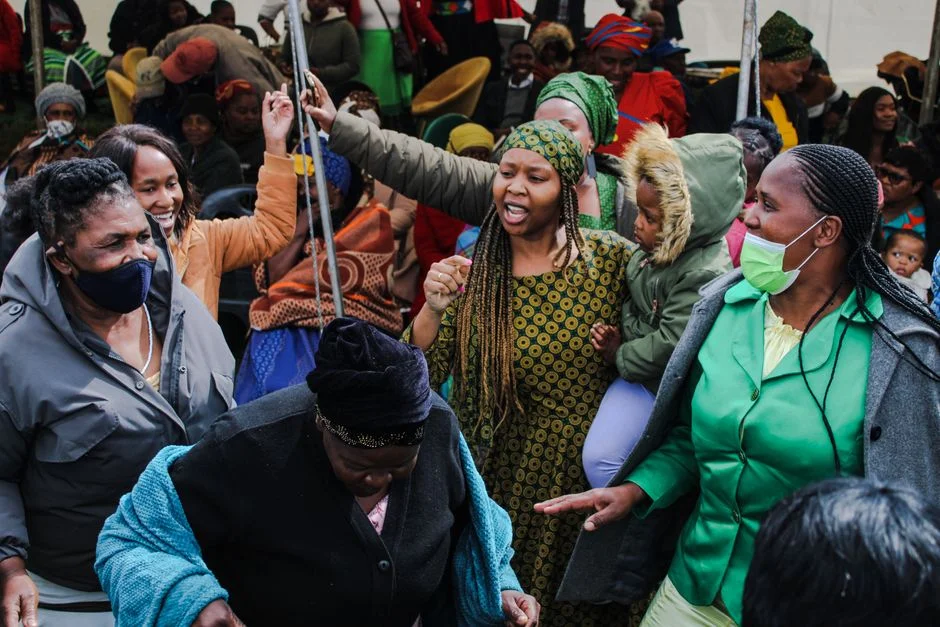
South Africa's economy has faced numerous challenges, including rising unemployment, which currently stands at approximately 34%. With such a significant budget allocation, the stakes for Johannesburg are high, as failure to deliver could adversely affect investor confidence and market stability.
Market Reactions to Budget Approval


The approval of the budget has elicited mixed reactions from the market. Financial analysts are closely watching how this decision impacts Johannesburg's bond ratings and investment climate. The Rand, South Africa's currency, often reacts negatively to increased government spending without clear revenue generation strategies.
Investors are particularly wary of the potential for increased taxation or debt accumulation to fund the new initiatives. Concerns have already arisen regarding whether such measures might hinder business growth and deter foreign investment, crucial for economic recovery.
Implications for Local Businesses
Local businesses are grappling with the implications of the new budget, which allocates funds primarily for social services rather than infrastructure improvement. Many businesses in the city depend on reliable infrastructure for their operations, and the lack of investment in this area could stifle growth prospects.
Moreover, the collaboration between the ANC and EFF signals a shift in the political landscape of Johannesburg. This partnership raises questions about future policymaking and its impact on business regulations, particularly in sectors like construction and small enterprise development.
Investor Sentiment and Future Outlook
Investor sentiment remains cautious as stakeholders await clarity on the budget's implementation. The Johannesburg Stock Exchange (JSE) is likely to experience fluctuations as businesses recalibrate their strategies in response to the new fiscal policies.
Furthermore, the city's commitment to addressing social issues through this budget may lead to short-term financial strains. A key question for investors is whether these investments will yield significant economic returns or simply add to the city's financial burdens.
Next Steps for Johannesburg
Looking ahead, the city administration will need to articulate a clear strategy for revenue generation to support the ambitious budget. Any forthcoming announcements regarding potential tax reforms or government incentives will be crucial for maintaining business confidence.
As the fiscal year progresses, Johannesburg's budget implementation will be closely monitored, not only by local stakeholders but also by international observers. Future budget reviews and reports on economic performance will be critical in shaping the narrative around Joburg's financial stability and growth trajectory.