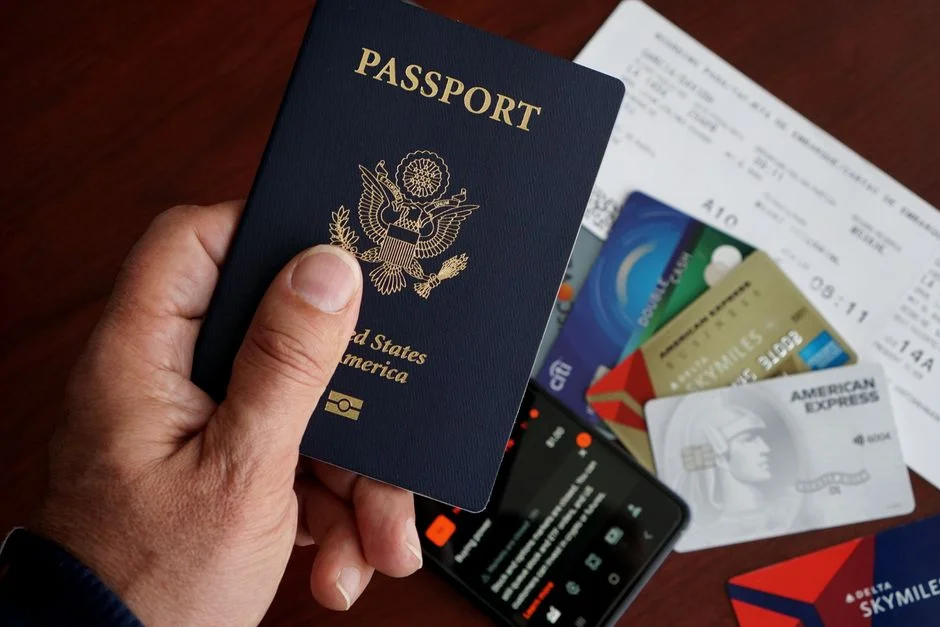
A prominent US immigration attorney has clarified a common misconception about the E-2 treaty investor visa, revealing that applicants are not required to launch new ventures from the ground up. The guidance comes as demand for the visa category continues to surge among investors from countries with qualifying commerce treaties, including the United Kingdom.
The E-2 visa allows nationals of treaty countries to live and work in the United States by making a substantial investment in a US enterprise. Unlike other employment-based visas, it does not mandate job creation targets or specific educational thresholds, making it attractive to entrepreneurs seeking operational flexibility.
What the Attorney's Guidance Clarifies

Immigration specialists have long debated whether E-2 applicants must create new businesses or whether purchasing an existing enterprise satisfies the investment requirements. The attorney addressed this ambiguity directly during recent public commentary, confirming that acquiring an established business qualifies as a valid investment path.
The key distinction lies in demonstrating that the investment funds are genuinely at risk and that the enterprise will generate sufficient income to support the applicant and any dependents. An existing business with documented revenue streams can actually strengthen an E-2 petition by providing clearer evidence of commercial viability.
Investment Thresholds and Requirements


While US Citizenship and Immigration Services does not mandate a minimum dollar amount, attorneys generally advise investments of at least $100,000 to demonstrate the substantial nature of the commitment. The investment must be sufficient relative to the total cost of acquiring or establishing the business.
Applicants must also show that their capital derives from lawful sources and that they possess the skills or experience to develop the enterprise successfully. The treaty country of nationality must maintain a qualifying commerce agreement with Washington.
Buying Versus Building: The Economic Argument
For investors from the United Kingdom, France, Germany, Japan, and other treaty nations, the option to purchase existing businesses carries significant economic implications. Rather than channeling capital into startup ventures with uncertain trajectories, investors can acquire established enterprises with customer bases, employees, and operational infrastructure already in place.
This approach reduces risk for the investor while potentially preserving jobs in US communities. Small business acquisitions through E-2 channels represent a form of foreign direct investment that contributes to economic activity across sectors ranging from hospitality to professional services.
Sectors Attracting E-2 Investment
Immigration attorneys report that E-2 applicants frequently target service sector businesses including restaurants, consulting firms, retail operations, and consulting practices. Technology startups have also attracted treaty investor interest, particularly in metropolitan areas with established venture ecosystems.
Some applicants have pursued acquisition opportunities in manufacturing and distribution, leveraging lower startup costs in secondary markets to satisfy investment thresholds. The flexibility of the E-2 framework permits investment across virtually any legitimate commercial sector.
Processing Times and Strategic Considerations
E-2 visa applications submitted at US consulates abroad typically process within several weeks to months, depending on the specific jurisdiction and current caseload volumes. Investors planning acquisitions should factor processing timelines into transaction negotiations and transitional arrangements with current business owners.
Spouses of E-2 visa holders may apply for work authorisation, expanding household income potential during the US residency period. Children under 21 may accompany their parents but cannot work unless they secure independent immigration status.
Market Implications for UK Investors
British nationals considering US investment should note that the United Kingdom maintains a qualifying treaty with the United States, making E-2 visa eligibility accessible to UK passport holders. Post-Brexit changes to UK-US immigration arrangements have not altered E-2 treaty eligibility, preserving this pathway for British entrepreneurs.
The option to acquire existing businesses rather than launch startups may appeal to UK investors seeking quicker entry to US markets or those without interest in building enterprises from inception. Established acquisition targets offer immediate operational capacity and revenue generation potential.
What Prospective Applicants Should Watch
Immigration policy observers note that E-2 visa regulations remain subject to potential revision, particularly given ongoing debates about immigration enforcement and treaty commerce arrangements. While the current framework permits existing business acquisitions, applicants should monitor regulatory developments that might affect eligibility criteria.
Those considering the E-2 pathway should conduct thorough due diligence on acquisition targets, ensuring that transaction structures satisfy both commercial and immigration requirements. Engaging qualified immigration counsel early in the process can help identify potential complications before they affect petition outcomes.
The attorney emphasised that each E-2 case turns on its individual merits, and prospective applicants should seek personalised guidance tailored to their specific investment circumstances and commercial objectives. Upcoming changes to US consulate procedures in various jurisdictions may also affect processing timelines for international applicants.
See Also
- Stalin Slams Palaniswami Over Kalaignar Comments — Tensions Rise in Tamil Nadu
- Access Bank UK Revenue Surges Past Nigeria in Historic Shift
Technology startups have also attracted treaty investor interest, particularly in metropolitan areas with established venture ecosystems. Some applicants have pursued acquisition opportunities in manufacturing and distribution, leveraging lower startup costs in secondary markets to satisfy investment thresholds.