Residents of Tyre, Lebanon, have begun clearing rubble from their homes and businesses following a series of Israeli airstrikes that occurred earlier this week. The strikes, which targeted Hezbollah positions, left considerable destruction in the area, intensifying concerns about the ongoing conflict and its economic repercussions for the region.
Immediate Aftermath in Tyre
The Israeli airstrikes on April 10th hit various locations in Tyre, causing significant damage to residential buildings and infrastructure. Witnesses reported hearing explosions that rattled windows throughout the city. Reports indicate that at least 15 homes were severely damaged, prompting residents to take immediate action to restore their living spaces.
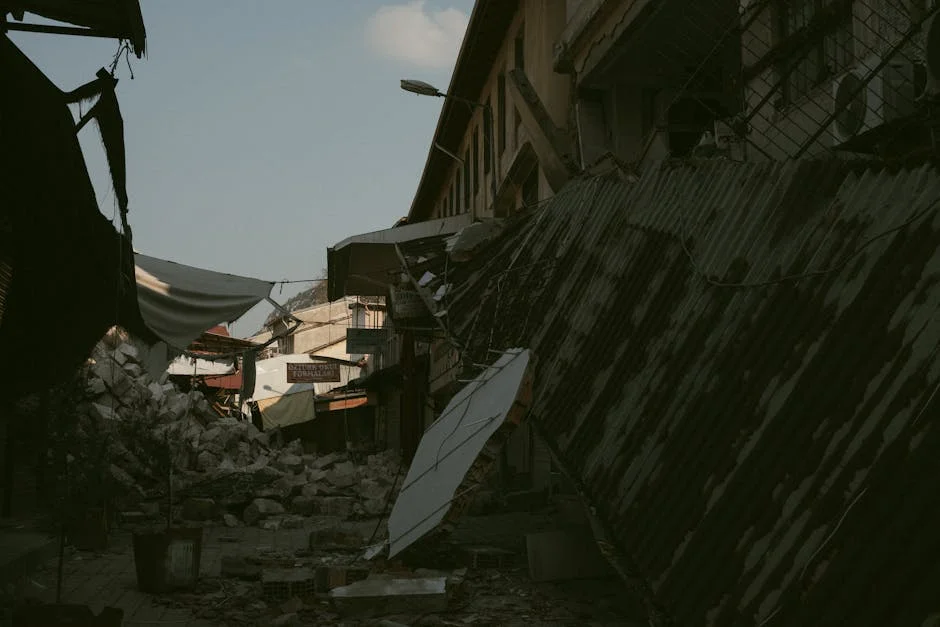
Local shops also suffered losses, with many businesses forced to close temporarily due to the destruction. The cost of repairs and rebuilding efforts is expected to stretch local finances thin, further complicating an already fragile economic situation. The Lebanese economy has been in crisis, and these latest attacks threaten to exacerbate existing hardships.
Impact on Local Economy


Tyre's economy relies heavily on tourism and local commerce. With the current unrest, businesses may see a significant drop in customers, particularly as Lebanon approaches the summer tourism season. According to the Lebanese Ministry of Tourism, tourist arrivals could decrease by as much as 30% this year if the situation remains unstable.
This downturn would not only affect local shops and restaurants but also have broader implications for employment in Tyre, where many depend on seasonal tourism for their livelihoods. The reduction in consumer spending could ripple through the economy, impacting suppliers and local services across the region.
Hezbollah's Role and Response
Hezbollah has confirmed its presence in the areas targeted by Israeli strikes, framing the attacks as part of an ongoing struggle against Israeli aggression. In a recent statement, a Hezbollah spokesperson declared the group's commitment to defending Lebanese sovereignty, which may further escalate tensions in the region.
This conflict escalates fears among investors regarding the stability of the Lebanese market. Many foreign businesses are already reassessing their positions in Lebanon, with reports indicating a potential withdrawal of investment due to increased risk factors associated with ongoing violence.
Investor Reactions and Projections
Market analysts are closely watching developments in Tyre and other affected areas. The recent strikes have resulted in a brief spike in the prices of Lebanese government bonds, reflecting increased risk aversion among investors. As confidence wanes, investors are likely to seek refuge in safer assets, impacting liquidity in the local market.
Investment managers are also voicing concerns about the continued conflict's long-term implications on the Lebanese economy. The potential for further violence could deter foreign investment, which is essential for recovery. Analysts predict that unless stability is restored, Lebanon's economic crisis may worsen, leading to more widespread poverty and unemployment.
What Lies Ahead for Tyre and Lebanon
Looking forward, the residents of Tyre face a challenging path to recovery. The clearing of rubble is just the first step in what could be a lengthy and costly rebuilding process. Local leaders are calling for immediate assistance from the Lebanese government and international organisations to support affected families and businesses.
The ongoing conflict and the local response will likely play a significant role in shaping Lebanon's economic landscape in the coming months. Investors and policymakers will need to monitor the situation closely, especially as the summer tourism season approaches. A clear commitment to rebuilding and restoring stability could influence investor sentiment and economic recovery efforts in Lebanon.
See Also
- Nigeria Road Crash Kills 16 — Supply Chains Face New Risks
- Sisisi Tolashe Suspended as ANC Launches Disciplinary Measures — Market Reaction Expected
Many foreign businesses are already reassessing their positions in Lebanon, with reports indicating a potential withdrawal of investment due to increased risk factors associated with ongoing violence.Investor Reactions and ProjectionsMarket analysts are closely watching developments in Tyre and other affected areas. As confidence wanes, investors are likely to seek refuge in safer assets, impacting liquidity in the local market.Investment managers are also voicing concerns about the continued conflict's long-term implications on the Lebanese economy.