Environmentalists gathered in Washington D.C. on Thursday to protest President Donald Trump's rollbacks of coal ash regulations, a move they argue will jeopardise public health and the environment. The changes, announced by the Environmental Protection Agency (EPA), could affect coal ash disposal methods and weaken oversight on coal plants across the United States.
The Details of the Rollback
Under the new regulations, which were described in a statement from the EPA, coal plants will be given greater latitude in how they manage waste. As of this week, facilities are no longer required to monitor waste ponds frequently, a decision likely to be seen as beneficial by the power industry but harmful to environmental protections.
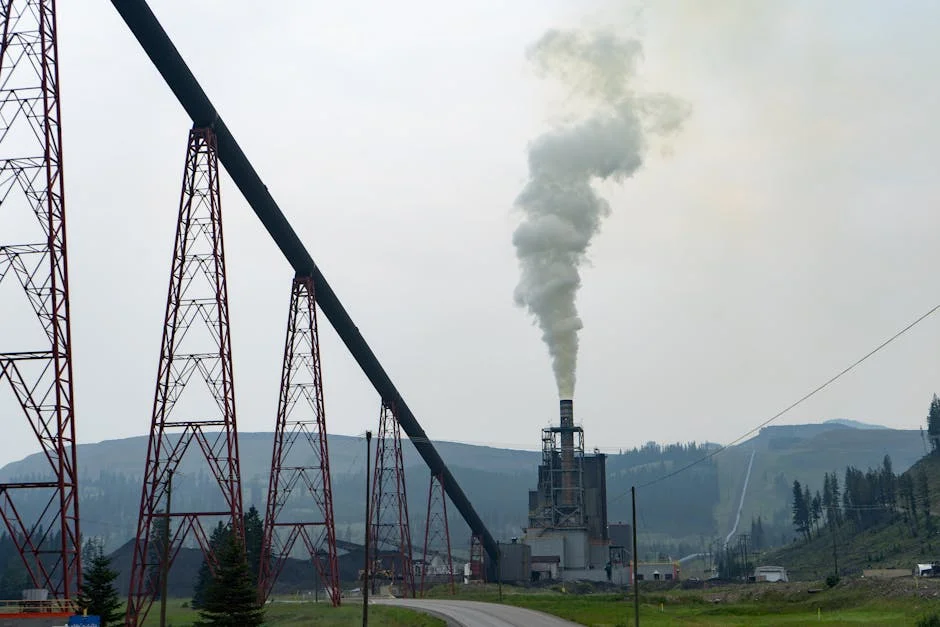
In 2017, a report by the EPA estimated that coal ash could be responsible for over $3.5 billion in health costs annually. Environmental groups are now warning that these rollbacks will exacerbate existing risks linked to hazardous pollutants, potentially contaminating both groundwater and communities.
Environmentalists Mobilise


More than 1,500 environmental activists took part in the protest at the National Mall, chanting slogans and holding signs that read, "Protect Our Water" and "No More Coal Ash!" Among the groups present were the Sierra Club and the Natural Resources Defense Council (NRDC), both of which have been vocal opponents of the EPA's new policies.
They argue that relaxing regulations on coal ash is a direct threat to public health, particularly for communities living near coal plants. This sentiment was echoed by David Roberts, a member of the NRDC, who stated, "This administration's push to weaken coal ash protections is irresponsible and dangerous. We need to prioritise the health of our communities over corporate interests."
Market Implications
The potential economic impacts of these rollbacks are complex. On one hand, coal companies might enjoy reduced compliance costs, which could bolster their profits. However, businesses that rely on clean water and soil are concerned that these regulatory changes could lead to liability issues and increased costs in the long run.
Investors are also taking note. Environmental, social, and governance (ESG) criteria are becoming increasingly important for investment decisions. Firms that ignore the environmental implications of the Trump administration's changes may find themselves facing backlash from investors prioritising sustainability.
Business Sector Reactions
Utilities like Duke Energy and Southern Company have publicly supported the rollbacks, arguing that they will provide greater flexibility in managing coal waste. However, environmentalists fear this will lead to a rise in pollution incidents, which can result in costly clean-up efforts and regulatory fines. The price of environmental compliance, which previously led to significant expenses, may eventually shift as investors grow concerned about the long-term viability of coal.
Industries reliant on clean water, such as agriculture and tourism, may also suffer if coal ash contamination becomes widespread. If the rollback results in environmental disasters, businesses that depend heavily on public perception and environmental integrity could face severe repercussions.
The Response from Local Governments
In the wake of the announced changes, local governments are considering legal action to challenge the regulations. Cities like Chicago and Philadelphia are exploring options to maintain their coal ash standards, despite federal rollbacks. These actions could lead to a patchwork of regulations across the country.
Mayor Lori Lightfoot of Chicago stated, "While the federal government may wish to ignore environmental protections, we will not stand idly by as our citizens' health is put at risk." This defiance highlights the growing tension between state and federal policies regarding environmental protection.
Looking Forward
As these changes unfold, stakeholders in the energy sector, environmental organisations, and local governments will be closely monitoring the economic and health impacts of the rollbacks. Upcoming congressional hearings on coal regulation will provide a platform for further discussion and potential pushback against the administration's policies.
What happens next may shape the future of coal regulation in the United States. Businesses and investors would do well to stay informed as new developments emerge and consider their strategies amidst a rapidly changing regulatory environment.
See Also
- India Raises CNG Prices — Transport Costs Surge
- Lungu Family Appeals Court Ruling — Implications for Property Rights in Zambia
The price of environmental compliance, which previously led to significant expenses, may eventually shift as investors grow concerned about the long-term viability of coal.Industries reliant on clean water, such as agriculture and tourism, may also suffer if coal ash contamination becomes widespread. These actions could lead to a patchwork of regulations across the country.Mayor Lori Lightfoot of Chicago stated, "While the federal government may wish to ignore environmental protections, we will not stand idly by as our citizens' health is put at risk." This defiance highlights the growing tension between state and federal policies regarding environmental protection.Looking ForwardAs these changes unfold, stakeholders in the energy sector, environmental organisations, and local governments will be closely monitoring the economic and health impacts of the rollbacks.
What is the latest news about trump rolls back coal ash regulations environmentalists demand accountability?
Why does this matter for environment?
What are the key facts about trump rolls back coal ash regulations environmentalists demand accountability?