The soup kitchen programme in eThekwini, South Africa, faces serious corruption allegations after a report from the Public Protector revealed that over £1 million may have been misappropriated. The investigation, initiated earlier this month, scrutinises financial irregularities within the initiative designed to support vulnerable communities amidst rising food insecurity.
Allegations Unveiled by Public Protector
The Public Protector's investigation uncovered that several contracts awarded for supplying food were inflated, with prices soaring by as much as 50%. This raises red flags for local businesses and may deter future investments in municipal projects. The Public Protector, Busisiwe Mkhwebane, confirmed suspicions of collusion between officials and suppliers to siphon funds meant for the needy.

In a statement, Mkhwebane noted, "We found evidence that shows a lack of oversight and accountability within the municipality's procurement processes. This cannot continue, especially in a time of crisis where communities are increasingly relying on these services." The findings have sparked outrage among residents who depended on the programme.
Economic Ramifications for Local Businesses

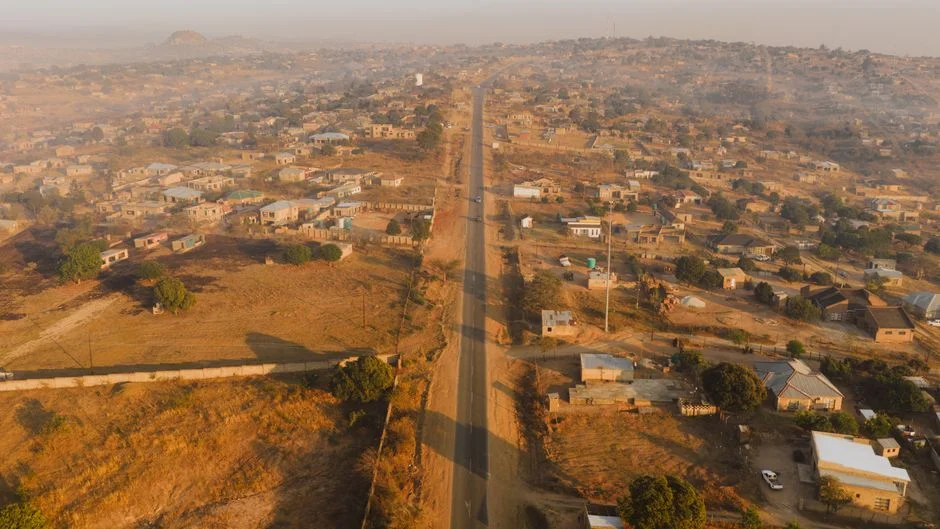
The allegations of corruption may have dire consequences for local businesses involved in food supplies. Many suppliers rely on government contracts, and these accusations could lead to a decline in public trust. As media coverage amplifies the scandal, businesses may face increased scrutiny from future clients and investors.
Local markets have already begun reacting to the news, with share prices in companies that provide food services dipping by an average of 15% since the report's release. Investors are concerned about potential legal repercussions and the likelihood of contract cancellations as the investigation unfolds.
Impact on Government Funding and Support Initiatives
With the spotlight on eThekwini's soup kitchen programme, government funding may be reconsidered. The municipal council has yet to announce any official measures, but future allocations for social services could face cuts if accountability cannot be established. This scenario threatens the livelihoods of those who depend on these initiatives.
Vulnerable Communities at Risk
Communities already struggling with high unemployment rates and food scarcity may suffer further as services are disrupted. Reports from the South African Statistics Agency indicate that more than 30% of the population in eThekwini lives below the poverty line. The timing of this scandal could not be worse, as many families are already grappling with the economic impact of the recent pandemic.
Public Trust and Future Oversight
The allegations could undermine public trust in local governance. The Public Protector's findings are critical in restoring confidence, but long-term solutions are needed to enhance transparency in procurement processes. Local residents have started advocating for the establishment of independent oversight committees to monitor government expenditures.
Activists argue that a lack of transparency has allowed corruption to thrive, stressing that comprehensive reforms must be implemented to prevent similar issues in the future. They demand a systemic overhaul to ensure that funds allocated for welfare reach those who need them the most.
What’s Next for eThekwini’s Soup Kitchen Programme?
As the investigation continues, public attention will remain fixed on how eThekwini's municipality responds to the corruption allegations. The upcoming council meeting, scheduled for the end of the month, is expected to address the scandal directly. Residents and local businesses will be watching closely for any commitments to accountability measures.
Furthermore, the Public Protector's office is likely to release additional findings that could further illuminate the extent of the corruption. Stakeholders, including investors and community leaders, will need to monitor these developments closely to gauge the potential impact on future projects and funding opportunities.
See Also
- Solar Sales Surge as UK Households Seek Energy Cost Relief
- Gqeberha Shooting Claims Lives of Four Teens — What This Means for Local Businesses