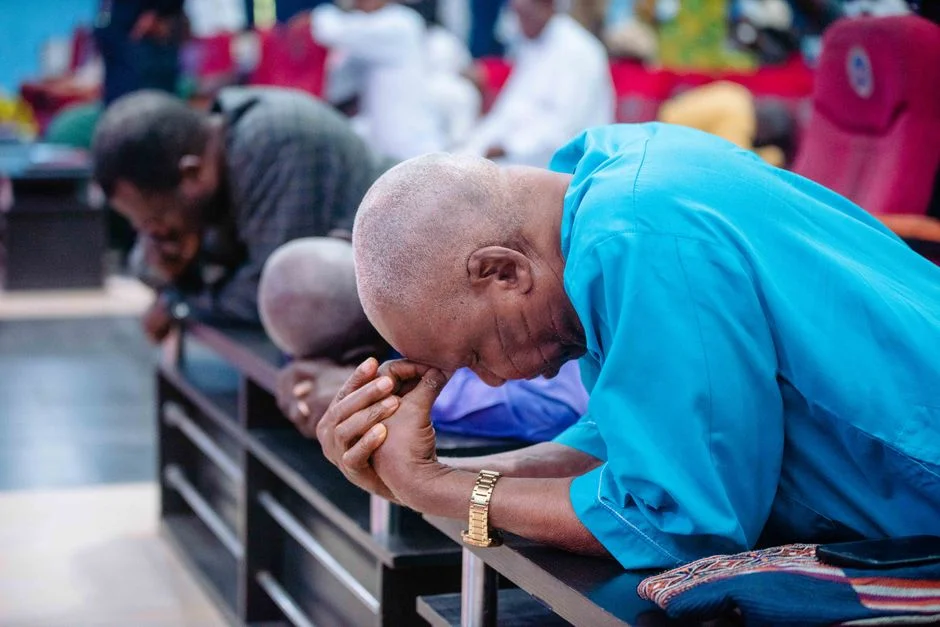
Nigeria's presidency has unveiled a deliberate plan by unnamed actors to weaponise religion for political gain ahead of the 2027 elections. This revelation, made during a press conference on Tuesday in Abuja, raises concerns about the potential repercussions on the nation's stability and economy.
Details of the Allegations
During the press briefing, the Special Adviser to the President, Femi Adesina, stated that intelligence reports indicate a systematic attempt to use religious sentiments to influence electoral outcomes. The presidency did not disclose specific names but asserted that these activities could destabilise various regions across Nigeria.
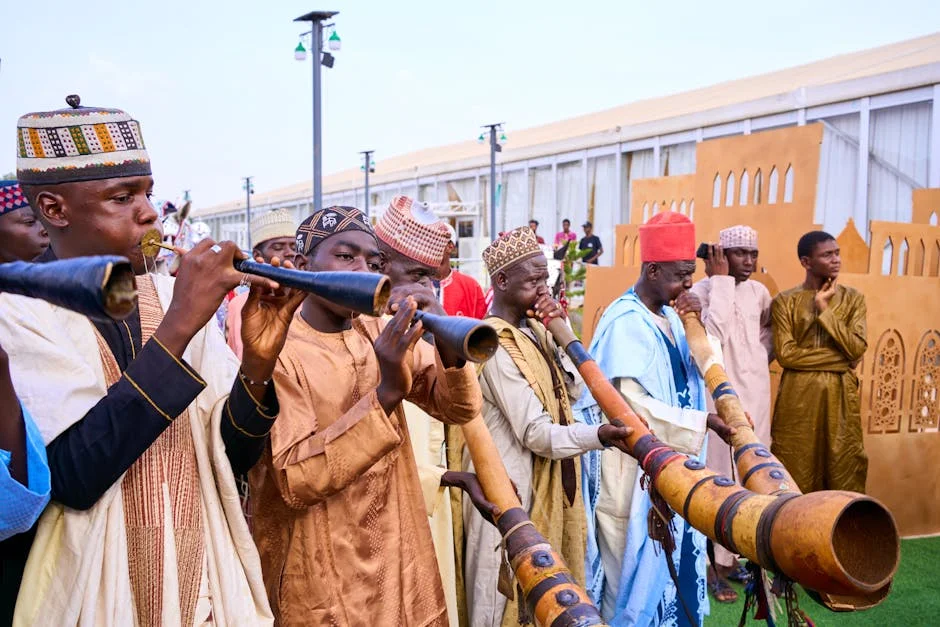
Adesina stressed the dangers posed by such tactics, describing them as a direct threat to Nigeria's unity. He indicated that the government is closely monitoring the situation to prevent any attempts to incite violence or unrest.
Market Reactions to Political Unrest


Investors have begun to react cautiously to the news. The Nigerian Stock Exchange saw a slight dip of 1.5% immediately following the announcement. Such fluctuations in the stock market are crucial as they reflect investor sentiment and confidence in the country's political stability.
Market analysts warn that prolonged unrest could lead to heightened inflation rates and reduced foreign investments. Nigeria's economy, already grappling with a high inflation rate of 22.8%, may suffer further if political tensions escalate.
Potential Economic Implications
The strategy to weaponise religion for political advantage poses serious risks for businesses operating in volatile environments. Companies in Nigeria may face increased operational costs due to heightened security measures and supply chain disruptions.
Furthermore, sectors reliant on consumer spending could experience downturns as public confidence wanes. Retailers already express concern about the impact on sales during the crucial festive season, which typically sees a spike in consumer activity.
Long-term Effects on Investor Confidence
Investor confidence is critical for Nigeria's economic growth, particularly as the government seeks to attract foreign direct investment. The presidency's disclosure of these plans raises questions about the integrity of the electoral process and the potential for further political instability.
Long-term investors might hesitate to engage with Nigerian markets if they perceive a high risk of civil unrest or political manipulation. This could lead to a decline in capital inflows, which are essential for growth.
Public Reaction and Civic Responsibility
Public response to the presidency's announcement has been mixed. While some citizens express concern over the potential for violence, others remain sceptical of the government's motives, fearing it may be a distraction from other pressing issues such as unemployment and poverty.
Non-governmental organisations have called for civic responsibility and political awareness among the populace to resist attempts to divide communities based on religious lines. This sentiment, if mobilised effectively, could lead to a stronger civil society capable of holding political actors accountable.
Next Steps for the Government
In the wake of these revelations, the Nigerian government has pledged to enhance security measures and collaborate with religious leaders to promote peace and unity. Further discussions are planned to address this emerging threat directly.
As the elections approach, what happens next could significantly influence the political landscape. Stakeholders are urged to monitor developments closely, particularly regarding any potential unrest or further attempts to manipulate public sentiment.
See Also
- Amazon Prime Launches in South Africa — Rivals Brace for Battle
- UK Launches National Hunt for Top Cybersecurity Chiefs as Talent Shortage Intensifies