On Monday, the South African Football Association (SAFA) confirmed plans for Bafana Bafana to depart for the World Cup set to take place in Mexico. Following an emergency meeting, officials outlined arrangements for the team's journey, which is expected to have significant economic implications for South African sports and tourism.
Details of the Departure
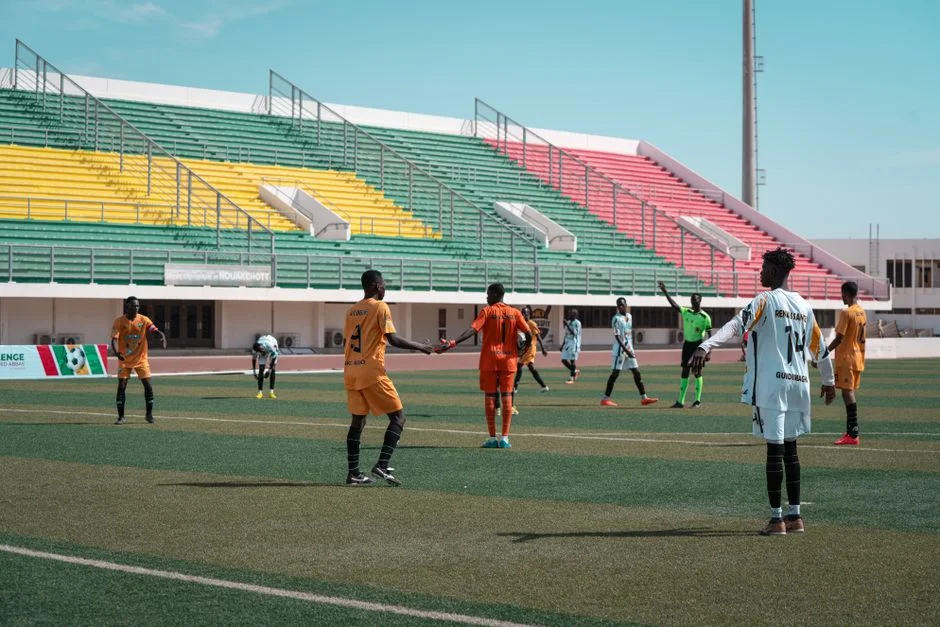
The SAFA announced that Bafana Bafana's departure is scheduled for next week, leading up to the opening match of the World Cup on October 22. The team aims to secure adequate preparation and acclimatisation ahead of the tournament. This will be Bafana's first appearance in the World Cup since 2010, making this an event of immense significance for South Africa.
Potential Economic Ramifications


The announcement of Bafana's departure could impact local businesses and tourism, especially in regions connected to the team’s preparatory activities. Hotels, restaurants, and transport services may see a surge in demand as fans flock to support the national team. According to SAFA, an estimated 300,000 spectators are expected to descend on Mexico for the World Cup, boosting economic activity.
Investors may also take a keen interest in this development, as the excitement surrounding the tournament often translates into upward trends for stock prices in related industries, including tourism and hospitality. The anticipation surrounding Bafana's journey could spark a renewed interest in South African sports investments, creating a more dynamic market landscape.
Impact on Local Football Sponsorships
With Bafana Bafana gaining global exposure, brands might see this as an opportunity to align themselves with the team. The potential for increased sponsorship deals could also arise as local companies seek to capitalise on the heightened visibility during the World Cup. This can lead to a ripple effect on employment within the sports marketing sector, as companies seek new partnerships.
Public Sentiment and Its Economic Influence
The emotional investment in Bafana Bafana can create a surge in consumer spending. Matches in the World Cup often lead to increased purchases of team merchandise, which can benefit local manufacturers and retailers. Such spending habits can strengthen local economies, which have faced challenges in previous years.
Global Market Watch
Internationally, investors will likely monitor South Africa's performance during the tournament closely. A successful campaign could enhance South Africa's reputation as a competitive sporting nation, potentially opening doors for future international sporting events. This could further integrate South African businesses into global markets.
What Comes Next for Bafana Bafana?
As the team prepares for its departure, all eyes will be on Bafana's performance in the upcoming World Cup matches. Fans are rallying support, with preparations for watch parties and merchandising already underway. The prosperity and pride tied to the team’s success can influence not just the sports sector but the broader South African economy.
With the World Cup beginning in mere days, stakeholders across multiple sectors will be keeping a close watch on the developments surrounding Bafana Bafana. As the event unfolds, it will be essential to observe how the tournament influences market trends and consumer behaviour in South Africa.
See Also
- Genk's Financial Surge Drives Belgian Investment Trends
- UK Connectivity Debt Crisis Triggers Economic Concerns for Businesses and Investors
See AlsoGenk's Financial Surge Drives Belgian Investment TrendsUK Connectivity Debt Crisis Triggers Economic Concerns for Businesses and Investors As the event unfolds, it will be essential to observe how the tournament influences market trends and consumer behaviour in South Africa.