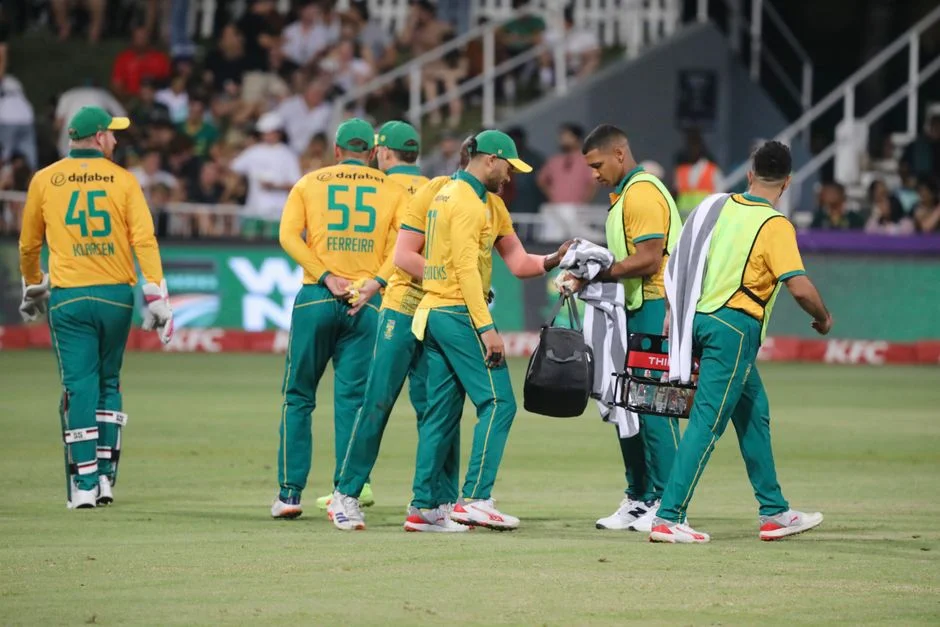
This week, an amusing alternative line-up for South Africa's national football team, Bafana Bafana, has gone viral, sparking laughter across Mzansi. This parody of the actual team generated significant social media buzz, reflecting the nation's humour and identity in the face of World Cup challenges. The line-up includes names like 'Forget It', poking fun at the perceived inadequacies of the current squad.
Social Media Buzz and Cultural Commentary
In the past 48 hours, social media platforms have seen a deluge of posts related to the alternative line-up. The hashtag #BafanaBafana has trended, with users sharing witty takes and memes about their favourite players. This humorous take derives from a growing sentiment in Mzansi that the actual team may not perform optimally in the upcoming World Cup.

One post from a prominent South African comedian, Lindiwe Ndlovu, quickly garnered over 10,000 likes as she joked, "At least my alternative line-up won't let us down!" With such engagement, it signals not just a cultural moment but also the profound impact of sports on national identity.
Effects on South African Football Revenue

As the World Cup draws near, the economic implications of the Bafana Bafana's image have become evident. The national football team is a significant revenue source through ticket sales, merchandise, and sponsorships. A lack of confidence in the team's abilities could lead to decreased sales, ultimately affecting the football association's funds.
Sports economist Thabo Khumalo noted that South African football generates around £500 million annually, largely from international tournaments. If public sentiment continues to sour, this revenue could decline significantly, impacting jobs and business associated with the sport.
Mzansi's Cultural Influence on Global Markets
Interestingly, the humorous alternative line-up has not only resonated locally but has also caught the attention of international audiences. The way Mzansi embraces humour reflects a broader cultural moment that could influence how brands engage South Africa's market. Global brands looking to penetrate this market often rely on cultural relevance and relatability.
With Bafana Bafana's preparations ramping up for the World Cup, companies may see an opportunity to leverage this humour in marketing campaigns, particularly those focused on younger demographics. For instance, brands like Castle Lager have previously aligned campaigns with national pride, and they could draw from current sentiments to enhance their engagement.
Investment Perspective: What Brands Should Watch
Investors should keep a close eye on local sports sponsorships and teams as the World Cup approaches. Consumer sentiment could impact brand loyalty and spending. If Mzansi's humour continues to dominate social media, expect brands to adapt accordingly to maintain relevance.
Moreover, events surrounding the World Cup—like viewing parties and merchandise sales—will serve as indicators of the local economy's response to the team’s performance and public sentiment. A shift in consumer behaviour could either bolster or hinder investment opportunities in the sports sector.
Global Media and the Image of South African Football
International media outlets have taken notice of the viral alternative team, framing it as a reflection of South Africa's unique relationship with football. This portrayal can shape perceptions of the nation globally, affecting tourism and foreign investment.
In the lead-up to the World Cup, South Africa has an opportunity to showcase its culture through sports. However, the contradiction between national pride and the lighter take on the team’s prospects may create challenges in projecting confidence to potential investors and tourists.
What Comes Next for Bafana Bafana?
As Bafana Bafana prepares for its World Cup matches, the team faces a growing need to establish a winning image. Success on the pitch could shift public sentiment back in favour of the actual team, while continued underperformance may deepen the divide between the fanbase and the squad.
Looking ahead, the football association must engage with its supporters and re-establish trust, particularly with young fans. The upcoming qualifiers will be critical, both for market sentiment and for the economic stakes tied to national pride. Everyone will be watching closely to see if the team can turn the tide before the global spotlight shifts to the World Cup stage.
See Also
- Mercedes Teammates Battle for F1 Title — What It Means for UK Businesses
- Nasa Unveils $100bn Moon Base Blueprint — Markets React
If Mzansi's humour continues to dominate social media, expect brands to adapt accordingly to maintain relevance.Moreover, events surrounding the World Cup—like viewing parties and merchandise sales—will serve as indicators of the local economy's response to the team’s performance and public sentiment. A shift in consumer behaviour could either bolster or hinder investment opportunities in the sports sector.Global Media and the Image of South African FootballInternational media outlets have taken notice of the viral alternative team, framing it as a reflection of South Africa's unique relationship with football.
What is the latest news about south africas bafana bafana lineup sparks laughter but wheres the impact?
Why does this matter for society-culture?
What are the key facts about south africas bafana bafana lineup sparks laughter but wheres the impact?