The Democratic Republic of the Congo has formally demanded financial compensation from FIFA, arguing that a sudden Ebola outbreak has devastated travel and ticket sales ahead of the upcoming World Cup. This move places significant pressure on global sports marketing budgets and signals new risks for investors monitoring African economic stability. The government in Kinshasa states that without immediate refunds, the national treasury will face a liquidity crunch during a critical fiscal quarter.
Financial Claims Against FIFA
Congolese officials have submitted a detailed invoice to the football governing body, seeking the return of approximately $12 million in pre-paid ticket costs and logistical deposits. The Ministry of Finance in Kinshasa argues that the health crisis has effectively frozen air travel routes, making it impossible for foreign fans to reach the stadiums in time for the group stages. This demand comes at a time when the Congolese Franc is already under pressure from fluctuating copper prices on the London Metal Exchange.
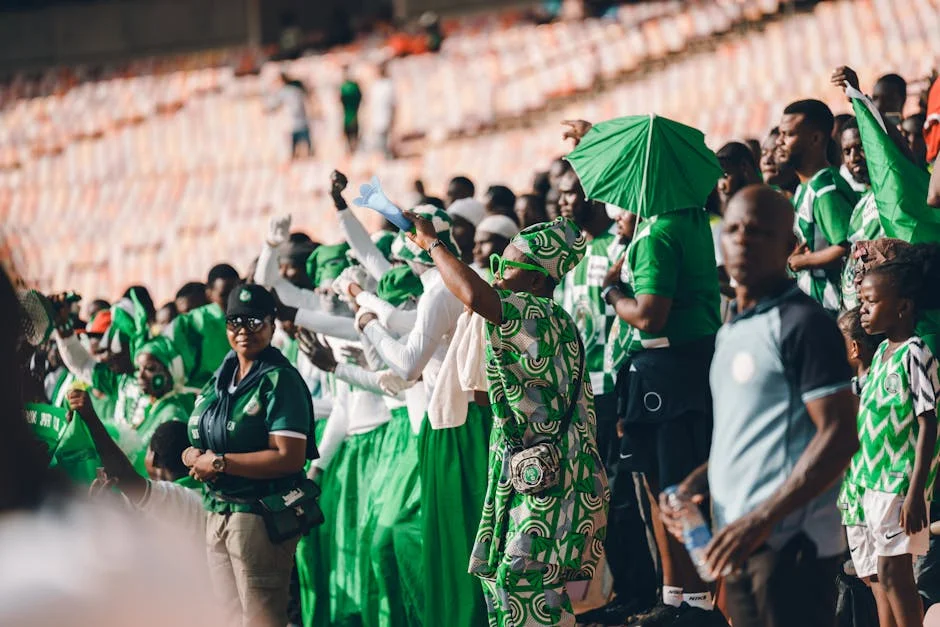
FIFA has yet to issue a formal response, but internal sources suggest the federation is reviewing force majeure clauses in the host agreement. These clauses typically protect organizers from unforeseen events, such as pandemics or political unrest. However, the scale of the Ebola outbreak in the eastern provinces has complicated the legal landscape, potentially giving Kinshasa stronger grounds for a partial refund. The outcome of this negotiation could set a precedent for how future host nations manage health-related disruptions.
Market Reactions in Kinshasa

Local businesses in Kinshasa are already feeling the economic shock of the outbreak. Hotel occupancy rates in the capital have dropped by 40% compared to the same period last year, according to data from the Kinshasa Hoteliers Association. Restaurant owners near the main stadiums report a sharp decline in evening diners, as locals tighten their belts in anticipation of higher food prices. This contraction in the service sector threatens to slow down the broader economic recovery that the country had hoped to accelerate through the World Cup.
The uncertainty has also affected local currency trading. While the Franc has remained relatively stable against the Dollar, traders in the informal markets are pricing in a potential devaluation if the refund is delayed beyond three months. Financial analysts in Nairobi and Johannesburg are watching these movements closely, as the Congolese economy serves as a barometer for regional investor confidence. Any sign of prolonged instability in Kinshasa could ripple through the East African Community, affecting supply chains for key exports like cobalt and coltan.
Impact on Small and Medium Enterprises
Small and medium-sized enterprises (SMEs) in the hospitality and transport sectors are particularly vulnerable. Many taxi drivers and tour operators had taken out loans to upgrade their vehicles for the influx of international visitors. With fewer tourists arriving, these businesses face higher debt servicing costs and lower daily revenues. The government has announced a temporary tax holiday for these sectors, but experts warn that the measure may not be sufficient to prevent a wave of bankruptcies.
Investors who had recently entered the Congolese market are reassessing their risk profiles. Some European funds have paused new capital injections until the health situation stabilizes. This hesitation could slow down infrastructure projects that were scheduled to begin in the second quarter. The delay in construction activity will have a multiplier effect on the local economy, reducing demand for materials and labor in the short term.
Public Health and Economic Costs
The Ebola outbreak itself carries a heavy economic burden beyond the World Cup refunds. Health workers in the eastern provinces are on the front lines, dealing with a strain of the virus that has shown resistance to standard treatments. The cost of vaccinations and protective equipment is drawing from the national health budget, which was already stretched thin after years of infrastructure spending. This diversion of funds could lead to cuts in other essential services, such as education and water supply.
International aid organizations have stepped in to support the response effort, but their funding is often tied to specific milestones. If the number of cases does not decline by the end of the month, some donors may reconsider their contributions. This uncertainty adds another layer of complexity for the Congolese government, which must balance immediate health needs with longer-term economic goals. The situation in the DRC serves as a reminder of how quickly a health crisis can disrupt economic plans.
Investment Risks for Foreign Capital
Foreign direct investment in the DRC has been growing steadily, driven by the demand for minerals used in electric vehicles and electronics. However, the Ebola outbreak has introduced a new variable that investors are reluctant to ignore. Companies that rely on smooth supply chains are worried about potential border closures or transport delays. These disruptions could lead to higher production costs and lower profit margins for firms operating in the region.
Insurance premiums for businesses in the DRC are likely to rise in the coming months. Insurers are adjusting their risk models to account for the possibility of future health outbreaks and their impact on commercial activity. This increase in insurance costs will be passed on to consumers, contributing to higher inflation. The central bank may need to intervene to keep interest rates stable, but its options are limited by the need to support the national currency.
Regional Economic Spillover
The economic impact of the outbreak is not confined to the DRC. Neighboring countries such as Uganda and Rwanda are also feeling the effects, as trade routes and commuter flows are disrupted. The East African Community is monitoring the situation closely, recognizing that a slowdown in the DRC could reduce demand for regional exports. This interconnectedness means that the economic health of the DRC is a key indicator for the broader African market.
Investors in the region are diversifying their portfolios to mitigate the risk of contagion. Some are shifting capital into more stable markets, while others are looking for opportunities in sectors that are less sensitive to health disruptions. This shift in investment patterns could have long-term implications for the economic development of the region. The ability of the DRC to manage the crisis and secure the World Cup refunds will be a critical factor in restoring investor confidence.
What Investors Should Watch Next
The next few weeks will be crucial in determining the economic trajectory of the DRC. Investors should monitor the official response from FIFA and the progress of the refund negotiations. Any delay in the payment could lead to further volatility in the local currency and increased pressure on the national budget. Additionally, updates on the Ebola case numbers will provide insight into the severity of the health crisis and its potential to spread to other key economic zones.
Market participants should also keep an eye on policy announcements from the Congolese government. Measures such as tax relief, subsidies for affected businesses, or changes in monetary policy will signal how the government plans to stabilize the economy. The effectiveness of these measures will depend on the speed of implementation and the availability of fiscal space. As the situation evolves, the DRC will need to balance immediate economic relief with long-term structural reforms to ensure sustainable growth.
The deadline for FIFA’s initial response is set for next Friday. Until then, markets will remain in a state of suspended animation, with traders waiting for clarity on the financial fallout. For those looking at the broader African market, the DRC’s experience offers a case study in how health crises can intersect with major economic events. The lessons learned here will likely influence investment strategies across the continent in the years to come.
See Also
- Liverpool Revenue Plummets as Salah's Exit Triggers Economic Shock
- Shamrock Rovers Overtake St Patrick's Athletic in Thrilling Derby Clash
This interconnectedness means that the economic health of the DRC is a key indicator for the broader African market. Insurers are adjusting their risk models to account for the possibility of future health outbreaks and their impact on commercial activity.
What is the latest news about dr congo demands world cup refunds after ebola hits?
Why does this matter for science?
What are the key facts about dr congo demands world cup refunds after ebola hits?