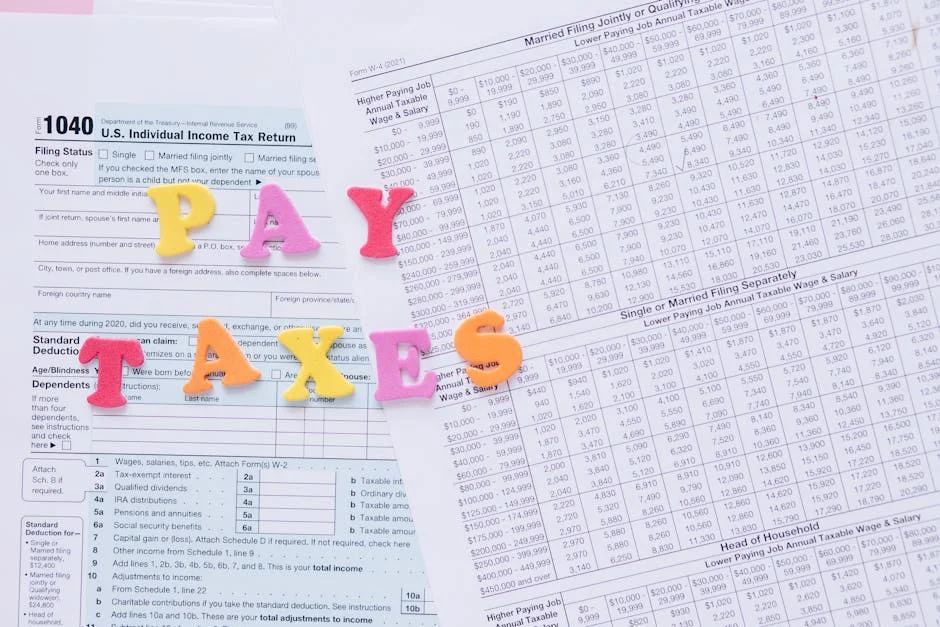
On Thursday, Labour's Shadow Health Secretary, Wes Streeting, unveiled a bold proposal urging the government to cut taxes in Northern Ireland while simultaneously advocating for increased fossil fuel drilling in the North Sea. This initiative comes at a critical time as the UK faces soaring energy costs and inflation that reached 6.7% in September 2023, prompting concerns over the growing cost of living for households across the nation.
Streeting's Strategy Explained
Wes Streeting's dual proposal seeks to address economic challenges in Northern Ireland and the broader UK energy sector. By reducing taxes in Northern Ireland, Streeting aims to stimulate local businesses and attract investment. This approach could potentially ease the burden on struggling residents facing a cost-of-living crisis. Meanwhile, the push for more drilling in the North Sea is designed to bolster domestic energy production, which Streeting argues is essential for energy independence.
Sir Keir Starmer, the leader of the Labour Party, has expressed backing for Streeting's vision, emphasising the importance of balancing environmental concerns with economic realities. He noted that the UK cannot afford to ignore its energy needs while transitioning to greener alternatives.
Economic Context and Market Reactions

The UK energy market has been under immense stress since the onset of the global energy crisis in late 2021. High demand coupled with reduced supply has led to dramatic price increases, reflected in the average household energy bill skyrocketing to over £2,000 annually. This context makes Streeting's proposal particularly timely, as many households struggle to make ends meet.
Market analysts have reacted cautiously to Streeting's plans. Some investors view increased drilling as a necessary step to secure energy supply and stabilise prices. However, others express concern over potential environmental ramifications and the long-term implications for the UK's commitment to net-zero emissions by 2050.
Political Implications and Business Outlook
The Labour Party's new stance could have significant ramifications for its positioning ahead of the next general elections. Streeting's proposals could attract undecided voters distressed by the rising cost of living. Additionally, businesses in Northern Ireland could benefit from reduced taxation, which may incentivise growth and investment in the region.
Business owners have already started to weigh the potential impact of these proposals. Some see tax cuts as a lifeline, while others express concerns about the environmental implications of increased drilling. The British Chambers of Commerce noted that any policy shifts must consider sustainable growth alongside immediate economic relief.
Investors' Perspectives
The response from investors remains mixed. On one hand, energy stocks may see a short-term boost from the rallying call for increased drilling in the North Sea. On the other hand, companies in the renewable energy sector may consider this a setback, fearing that a focus on fossil fuel production could divert attention and investment from greener technologies.
A survey conducted by the Investment Association revealed that 72% of investors are keen on sustainable investing, highlighting a disconnect between Streeting's proposals and investor sentiment. The long-term commitment to environmentally friendly practices could outweigh short-term gains from traditional energy sources.
The Road Ahead
As discussions around Streeting's proposals unfold, the timeline for implementation remains uncertain. A critical vote in Parliament could take place as early as November, depending on how the Labour Party decides to formalise these proposals. Stakeholders across the political and business spectrum will be watching closely, as the outcomes may significantly influence the UK's energy strategy and economic recovery efforts.
Next week, Labour will host a conference focusing on energy policy and taxation, providing an opportunity for further clarification on Streeting's vision. This event will be pivotal in shaping public perception and informing potential voters ahead of the forthcoming general election.
See Also
- Univen Chaos Triggers Economic Alarm as Students Clash with Police
- Mogotsi Arrest Shocks Markets, Tests South Africa's Economic Stability
On the other hand, companies in the renewable energy sector may consider this a setback, fearing that a focus on fossil fuel production could divert attention and investment from greener technologies.A survey conducted by the Investment Association revealed that 72% of investors are keen on sustainable investing, highlighting a disconnect between Streeting's proposals and investor sentiment. Additionally, businesses in Northern Ireland could benefit from reduced taxation, which may incentivise growth and investment in the region.Business owners have already started to weigh the potential impact of these proposals.