The latest Purchasing Managers' Index (PMI) reported a concerning downturn in the UK manufacturing sector for May, signalling a slowdown in demand. The index dropped to 48.6, slipping below the neutral mark of 50, indicating contraction. This downturn raises pressing questions about the future of the manufacturing landscape and its economic implications.
Impact of Declining Manufacturing Output
Manufacturing, a key contributor to the UK economy, saw a marked decline in activity as domestic and international orders dwindled. The PMI reading of 48.6 is a significant drop from April’s figure of 50.8, highlighting a noticeable shift in market confidence. Firms are grappling with rising costs and reduced demand, which has forced many to reconsider their production strategies.
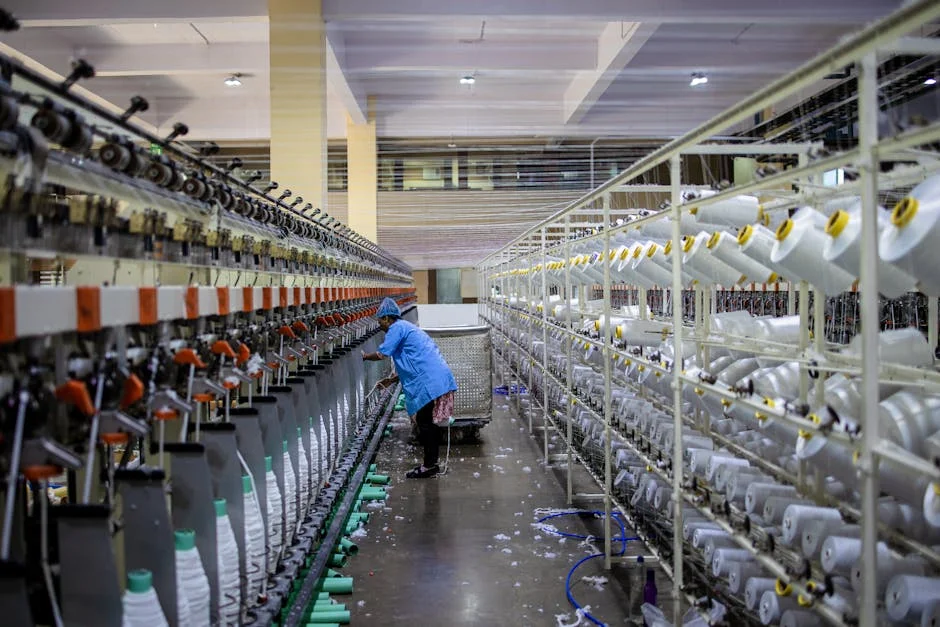
According to the report published by S&P Global, the downturn has been exacerbated by consumers tightening their belts amid escalating prices and economic uncertainty. As spending slows, manufacturers must adapt to these changing conditions, putting pressure on growth and employment in the sector.
Business Responses and Adjustments


Many businesses are already feeling the pinch. Companies like Jaguar Land Rover and Airbus have reported cutting back on production schedules in response to the dwindling order books. These reductions not only impact their financial outlook but also have ripple effects throughout the supply chain, affecting smaller suppliers reliant on larger manufacturers for business.
Amid this environment, manufacturers are increasingly focusing on cost-cutting measures, which may include layoffs and reduced investment in new technologies. As they navigate these challenges, the sector risks losing its competitive edge unless demand recovers swiftly.
Investor Sentiments on Manufacturing Stability
Investors are closely monitoring the situation as manufacturing accounts for approximately 10% of the UK’s GDP. The contraction could have broad implications for investment strategies. Share prices of manufacturing companies have already reacted negatively, with stocks like Rolls-Royce and BAE Systems witnessing downturns in the wake of the PMI report.
Analysts are cautious, advising investors to watch for signs of recovery or further decline. The forthcoming economic data will be crucial in informing investment decisions, particularly as central banks assess the broader implications for monetary policy.
What Lies Ahead for the Manufacturing Sector?
Looking forward, the UK’s manufacturing sector faces a challenging landscape. With inflation hovering around 8.7%, businesses will need to adapt quickly to maintain profitability while responding to shifting consumer behaviour. Government initiatives may also play a critical role in supporting the sector, but immediate action is necessary to stave off deeper repercussions.
The Bank of England’s upcoming interest rate decision will provide further clarity on how monetary policy will respond to these economic indicators. If rates rise, borrowing costs for manufacturers could increase, further curtailing investment and production.
Monitor Key Economic Indicators
As the manufacturing sector grapples with these challenges, it is essential to keep an eye on upcoming economic indicators that may signal a turnaround or continued downturn. Key reports, including the next PMI release and retail sales figures, will provide insight into consumer confidence and spending patterns.
Investors and businesses alike should prepare for a potentially volatile period. Engaging with industry stakeholders and tracking government responses will be vital in gauging the future trajectory of the UK manufacturing sector.
See Also
- Ackerman Leads SA A to Victory Over England Lions
- Tshwane Proposes Rehiring Striking Workers — Businesses Brace for Impact