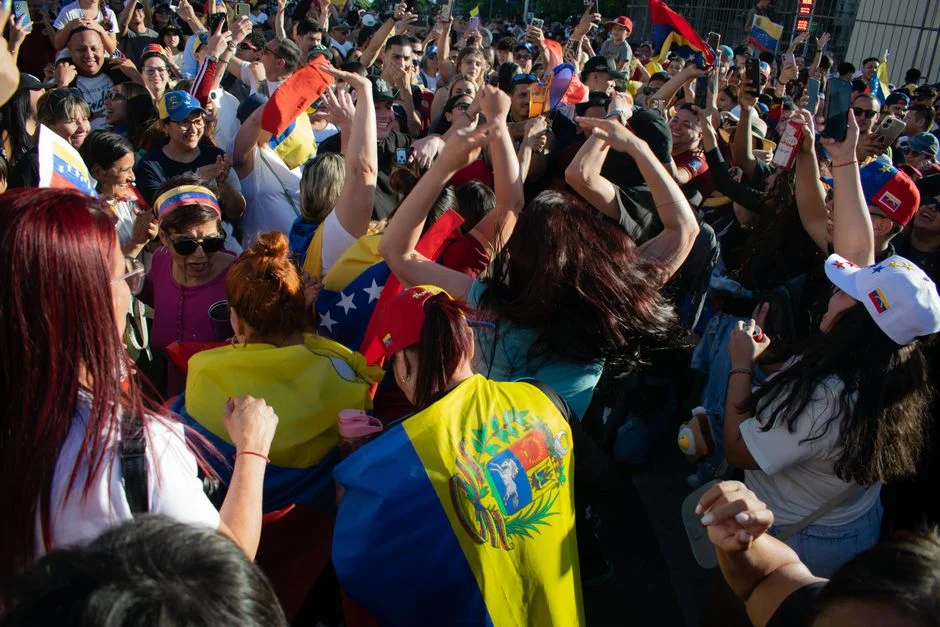
Protests erupted across Kenya's coastal cities on Monday after the United States military refused to comply with a Nairobi court order mandating the closure of an Ebola quarantine facility operated on Kenyan soil, according to Reuters reporting. The defiance has triggered a diplomatic standoff with far-reaching consequences for bilateral trade relations and foreign investment in East Africa's largest economy.
Court Orders Closure of US Facility
The Mombasa-based facility, established in early 2024 as part of Washington's broader pandemic preparedness programme, was ruled to have violated Kenyan sovereignty by a three-judge panel on 12 October. The court gave the US military 14 days to vacate the site and hand control to Kenya's Ministry of Health. Monday marked the expiration of that deadline. The US Africa Command (AFRICOM) issued a statement declaring the facility "essential to regional health security" and said it would remain operational while Washington pursued an appeal through diplomatic channels.

Kenya's Attorney General office confirmed it had received no formal communication from the US State Department as of Monday afternoon. The Ministry of Health in Nairobi declined to comment directly but pointed to the court ruling as binding under Kenyan law.
Protests Spread Along the Coast
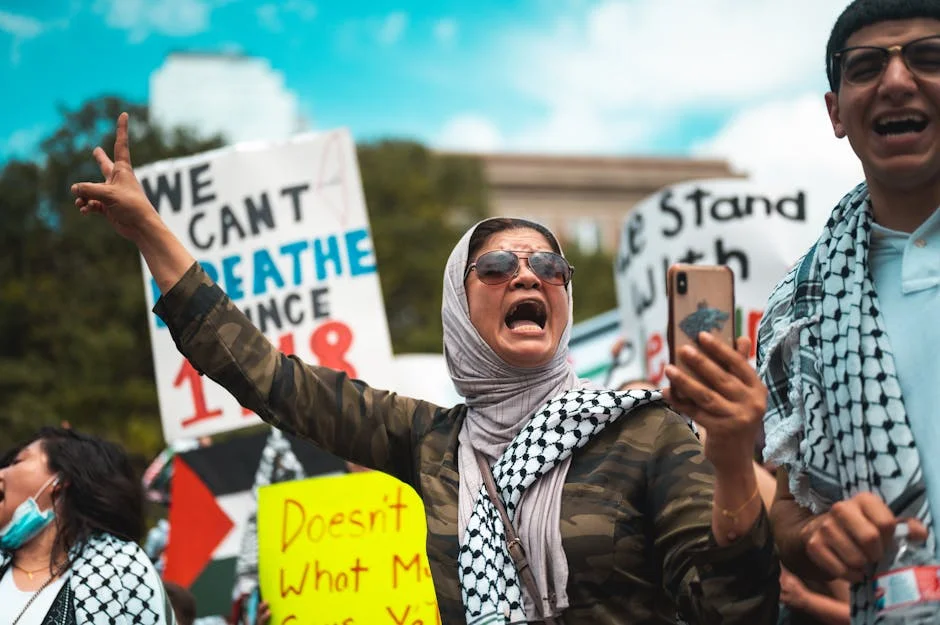
Thousands of demonstrators gathered in Mombasa, Lamu, and Kilifi counties, blocking access roads to the facility and clashing with police units deployed to maintain order. In Mombasa's Kongowea district, protest organisers told reporters that local communities had received no consultation about the base's operations or its potential health implications. Police confirmed three arrests but said the situation remained largely peaceful as of late Monday.
The demonstrations have compounded existing anxieties about US military activities in Kenya. Washington maintains approximately 500 military personnel across several Kenyan locations under a status-of-forces agreement signed in 2015, primarily supporting counter-terrorism operations in Somalia.
Economic Stakes Rise Sharply
The diplomatic breach arrives at a fragile moment for Kenya's economy. The Nairobi Securities Exchange saw banking and infrastructure stocks fall 2.3 percent in Monday's session as investors weighed the implications of escalating tensions with a major security partner. The Kenyan shilling weakened against the dollar, trading at 156.40 per greenback by midday, its lowest point since March.
Western diplomats in Nairobi privately expressed concern that the standoff could derail negotiations over a proposed US-Kenya trade agreement, which has been under discussion since 2022. Kenya's Treasury officials have previously cited the deal as a potential catalyst for attracting $2.8 billion in new manufacturing investment over five years.
Tourism Sector Braces for Impact
Kenya's tourism industry, which contributes approximately 8 percent of GDP, faces immediate fallout. The Kenya Tourism Board warned that any escalation in civil unrest could jeopardise the December peak season, during which the coast typically attracts over 300,000 international visitors. Hoteliers in Mombasa reported a wave of booking cancellations beginning Monday evening, according to the Coast Tourism Association.
Aviation data showed at least two charter flights from European markets diverted away from Mombasa's Moi International Airport on Monday, citing security concerns communicated by their respective embassies.
Washington's Position and Legal Options
AFRICOM's commander, General Michael Langley, addressed the situation at a Pentagon press briefing on Monday, asserting that the facility served "critical functions" for monitoring disease threats across the Horn of Africa. He indicated that the US would seek resolution through diplomatic engagement but offered no timeline for compliance. State Department officials said they were in contact with Kenya's Foreign Ministry but declined to characterise the substance of those discussions.
Legal analysts in Nairobi said the US had limited grounds for ignoring the court order under Kenyan constitutional law. "The judiciary's authority is clear," said Professor Wanjiku Mwangi of the University of Nairobi's law faculty. "International agreements do not override domestic court rulings of this nature without explicit treaty provisions."
Regional Security Implications
Neighbouring states are watching closely. Uganda's Health Ministry issued a brief statement urging Kenya to resolve the matter swiftly, citing concerns about disruption to cross-border disease surveillance networks. The African Union's health division indicated it was monitoring the situation but had not intervened directly.
For US counter-terrorism operations in Somalia, the standoff raises operational questions. AFRICOM has used Kenyan bases to launch drone missions and provide intelligence support for Somali government forces. Any forced withdrawal could constrain those activities, though officials insisted contingency plans were in place.
What Happens Next
Kenya's court has scheduled a contempt hearing for Friday, at which AFRICOM officials could face sanctions if the facility remains operational. Analysts said the proceedings would be largely symbolic since the US military cannot be directly prosecuted under Kenyan law, but the political cost could be significant. Washington has 72 hours to file a formal response before the hearing proceeds.
Markets will watch the outcome closely. A prolonged standoff risks downgrading Kenya's investment-grade credit rating, which three agencies currently maintain at BB-minus. The next economic indicator that traders should monitor is Thursday's Treasury bond auction, which will test foreign investor appetite for Kenyan debt at a time of elevated political risk.
See Also
- Aston Villa Wins Europa League: What It Means for Birmingham's Economy
- Viktor Orban’s New PM Pledge Triggers Market Uncertainty in Hungary
Analysts said the proceedings would be largely symbolic since the US military cannot be directly prosecuted under Kenyan law, but the political cost could be significant. He indicated that the US would seek resolution through diplomatic engagement but offered no timeline for compliance.