The Netherlands' National Institute for Biological Research (NRC) has reported a remarkable trend in the breeding patterns of peregrine falcons. This year, the population has produced an average of five eggs per nest, a continuation of a successful breeding cycle that has persisted for nearly a decade. The birds, known for their speed and agility, are nesting in urban areas, including the eaves of buildings in Rotterdam.
Birds Thriving Amid Urbanisation
In 2023, NRC confirmed that an estimated 60 breeding pairs of peregrine falcons have settled in urban environments, leading to an impressive hatch rate. The continued success of these birds is attributed to cleaner air and reduced pollution levels in city centres, which have created a more favourable habitat. Experts at NRC, including biologist Dr. Anna van der Meer, noted that this year's figures show a slight increase from previous years, where an average of 4.5 eggs per nest was recorded.
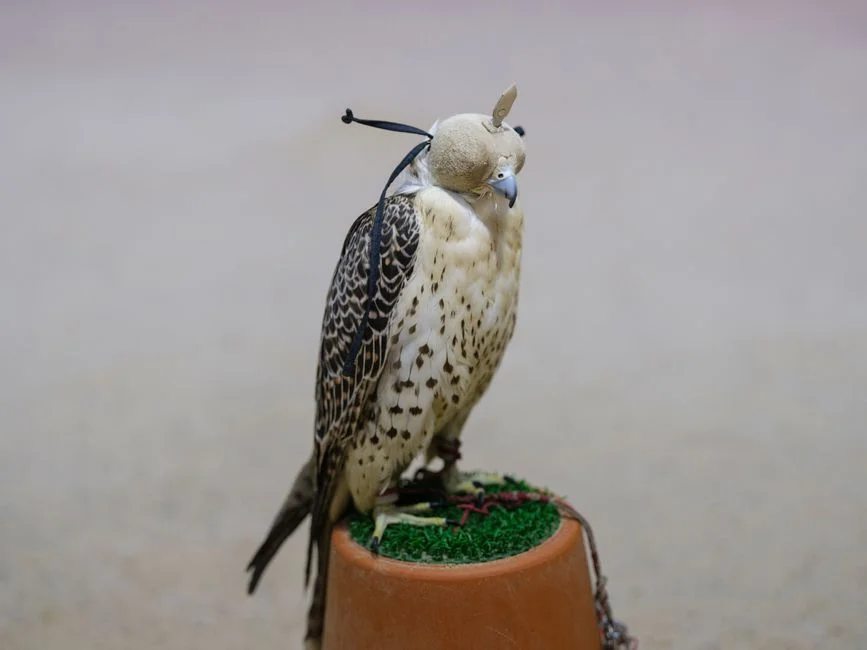
This urban adaptation demonstrates the resilience of wildlife, with peregrine falcons thriving on a diet of city pigeons. The presence of these predators in urban landscapes not only showcases successful conservation efforts but also raises questions about their impact on local ecosystems.
Economic and Market Implications

The positive news surrounding the falcons comes at a time when the UK is seeking to enhance its own biodiversity efforts. The UK government has been investing in initiatives aimed at supporting wildlife recovery, which could lead to increased economic activity in related sectors. As seen with NRC's data, successful breeding patterns can drive conservation tourism, attracting birdwatchers and nature lovers.
Furthermore, the conservation sector has seen a surge in interest, with businesses focusing on sustainable practices. This focus aligns with UK’s commitment to environmental sustainability and reduction of carbon footprints, which appeals to eco-conscious investors. Companies involved in eco-tourism and wildlife conservation could see growth opportunities as public interest in biodiversity increases.
Understanding the Threats
Despite the current success, the peregrine falcon population faces threats from climate change and habitat loss. Changes in weather patterns can impact food availability and breeding cycles. Additionally, urban development continues to pose risks to nesting sites, as construction can displace these birds from their preferred habitats.
The Ministry of Agriculture, Nature and Food Quality in the Netherlands has been proactive in addressing these challenges. They have implemented measures to protect key nesting sites and promote biodiversity-friendly urban planning. The implications of these initiatives extend beyond the Netherlands, suggesting a potential model for similar strategies in the UK.
What to Watch Next
Looking ahead, conservationists will be closely monitoring the impact of urban policies on wildlife habitats across Europe. Upcoming conferences on biodiversity are set to be held in Brussels in early November, where stakeholders will discuss successful strategies and share insights from different countries. Investors and businesses should also track the developments in conservation funding and urban wildlife initiatives as these may create new opportunities within the economy.
The continued success of the peregrine falcon may serve as a bellwether for broader environmental health, making the outcomes of these discussions particularly pertinent for markets and investors focused on sustainability.
See Also
- Joburg’s ANC and EFF Unite to Pass R97.1bn Budget — Markets Brace for Impact
- Azores Retains Fuel Tax Cut as Prices Soar By 20 Cents — Impact on EU Markets
The implications of these initiatives extend beyond the Netherlands, suggesting a potential model for similar strategies in the UK.What to Watch NextLooking ahead, conservationists will be closely monitoring the impact of urban policies on wildlife habitats across Europe. Changes in weather patterns can impact food availability and breeding cycles.