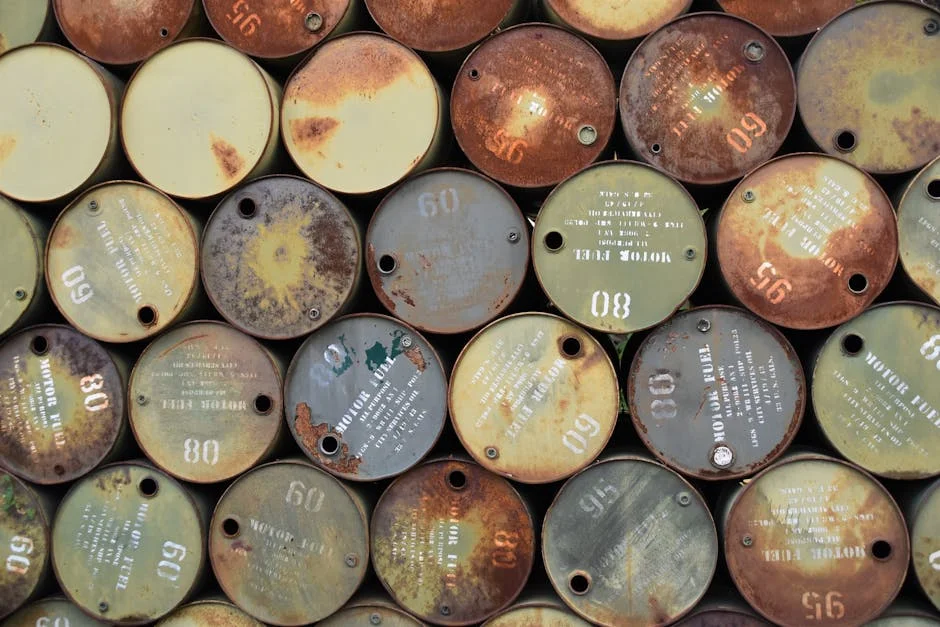
Petrol prices in Gauteng increased by 15 cents per litre on Monday, drawing attention from businesses and investors alike. This hike, coming amid fluctuating global oil prices, raises concerns about inflation and operating costs for many companies in the region. The new petrol price now stands at R23.32 per litre, representing a significant spike that may impact transportation costs and consumer spending.
Impact on Local Businesses
Many businesses in Gauteng will feel the pinch from the rising petrol prices. Transportation companies, in particular, are likely to see their operational costs rise sharply. As petrol prices climb, logistics companies face increased fuel surcharges, which they may pass on to consumers. This could lead to higher prices for goods and services across various sectors.
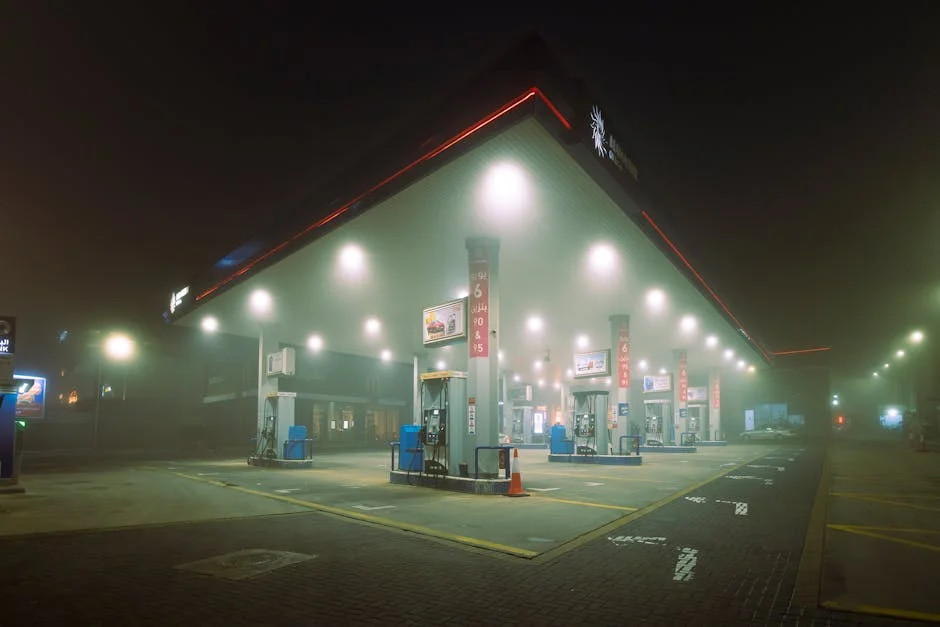
Retailers and service providers might also experience a downturn in sales as consumers adjust their spending habits. Higher petrol costs can lead to reduced disposable income, as consumers allocate more of their budgets to fuel. For businesses reliant on foot traffic, such as restaurants and shops, this could herald tougher times ahead.
Investor Sentiment and Market Reactions


The increase in petrol prices prompts a significant reaction from investors in the Gauteng region. Stocks related to energy and transport might see increased volatility as markets digest the potential economic implications. Investors should brace for a period of adjustment, particularly as companies reevaluate their forecasts in light of rising operational costs.
Some analysts fear that continued rises in petrol prices could lead to reduced economic growth. A potential decrease in consumer spending due to heightened fuel costs could limit market opportunities. Investors are advised to stay vigilant about shifts in consumer behaviour in response to these changes.
The Cold Front's Arrival
In addition to fuel price fluctuations, Gauteng is bracing for a cold front expected to hit the region this week. While this weather change may not directly impact petrol prices, it could influence energy consumption patterns and increase demand for heating fuels.
As the cold front progresses, the demand for electricity and heating may surge, particularly in low-income neighbourhoods where households rely on alternative heating sources. The increased demand for electricity could exert additional pressure on the already strained grid, potentially leading to further price increases in the energy sector.
Political Ramifications: Liam Jacobs Returns to the DA
The political landscape in Gauteng is also shifting, with Liam Jacobs confirming his return to the Democratic Alliance (DA). Jacobs' political moves could influence economic policy discussions, particularly around energy and transportation issues.
His return might herald new initiatives aimed at addressing the challenges posed by rising fuel costs and energy shortages. Businesses and investors should keep an eye on upcoming policy announcements that could impact market dynamics in Gauteng.
Looking Ahead: What to Watch
As Gauteng grapples with rising petrol prices, businesses should prepare for potential market shifts. The next fuel price adjustment, scheduled for July, will be crucial in determining the subsequent trajectory of costs and consumer behaviour.
Investors should monitor how the cold front affects energy consumption and demand for petrol, along with any political developments stemming from Jacobs' return to the DA. These factors will be critical in shaping the economic landscape of Gauteng in the coming weeks.
See Also
- Gauteng Health R8bn Debt Forces Cutbacks — Patients Left in Limbo
- South Africa Shatters EV Charging Record — Markets Take Notice
What is the latest news about petrol prices surge in gauteng what businesses should prepare for?
Why does this matter for science?
What are the key facts about petrol prices surge in gauteng what businesses should prepare for?