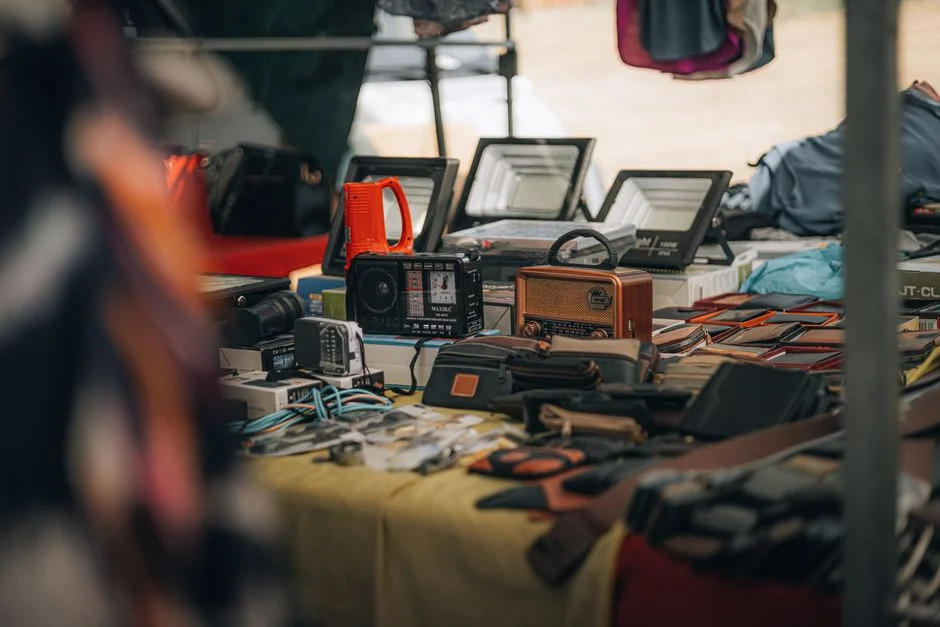
South Africans are embracing a novel way to convert unused clothing into income through a new AI marketplace launched by the tech firm Uhuru. This initiative provides a platform for individuals to sell their second-hand garments, tapping into the burgeoning resale market while addressing sustainability concerns. As of now, Uhuru aims to facilitate the monetisation of more than 10 million garments within the first year.
The Resale Market Boom
The global resale market is estimated to reach $218 billion by 2026, driven by a growing awareness of environmental issues and a desire for sustainable fashion choices. In South Africa, this trend is gaining traction, with consumers looking for ways to earn money from items they no longer wear. Uhuru's platform offers a user-friendly interface that connects sellers with potential buyers, making the process seamless.

In 2022, the online resale market in South Africa grew by 30%, highlighting a significant shift in consumer behaviour towards second-hand purchases. This change is not only beneficial for the environment but also provides an economic opportunity for individuals, particularly in a country where unemployment rates hover around 34%.
How Uhuru Works


Uhuru's innovative AI technology simplifies the selling process by using image recognition to automatically assess the value of clothing items. Sellers can upload photos of their garments, and the platform will suggest a price based on current market trends. This feature enhances the experience for users who may not be familiar with pricing strategies.
According to Uhuru's founder, Sipho Mthembu, the platform aims to empower South Africans by providing them with an opportunity to earn income from their wardrobes. "We want to turn consumers into entrepreneurs. Everyone has clothes they no longer wear, and now they can make money from those items," Mthembu stated.
Market Reaction and Economic Impact
Investors are closely watching Uhuru's potential, especially given the increasing interest in sustainable business models. Analysts project that the success of this platform could inspire similar initiatives across the continent, potentially revolutionising the fashion retail space in Africa.
The platform's launch comes at a time when retail sales in South Africa are fluctuating due to economic pressures. The additional income generated from selling second-hand clothing could offer a respite for many households, allowing for greater financial flexibility during tough times.
Challenges Ahead
Despite its promising start, Uhuru faces several challenges, including competition from established resale platforms like Depop and Poshmark. Ensuring a steady influx of users and maintaining a high level of engagement will be crucial for sustaining growth.
Moreover, educating potential sellers on how to effectively use the platform will be vital for its success. Uhuru plans to launch workshops and online resources to guide users through the selling process, thereby enhancing overall user experience.
Investment Perspective
The launch of Uhuru could attract significant investment from individuals and institutions interested in the intersection of technology and sustainability. As consumers increasingly prioritise eco-friendly solutions, businesses that engage in sustainable practices are likely to gain favour with investors.
Recent data shows that companies focusing on sustainability are projected to outperform their competitors by at least 10% in the next five years, making Uhuru a potentially lucrative opportunity for investors.
What’s Next for Uhuru?
Looking ahead, Uhuru plans to expand its services beyond clothing to include accessories and home goods, further diversifying its marketplace. This could attract a broader audience and enhance revenue streams.
As the platform gains traction, South Africans should keep an eye on new updates and features that will enhance user experience and opportunities for income generation. The next few months will be critical in determining the platform's long-term viability and economic impact.
See Also
- Holgate Foundation Completes 14,200km Expedition — Impacts Namibia's Economy
- From Exposes Lack of Governance in ESG — What It Means for UK Investors
What is the latest news about south africans turn unused clothes into income with uhurus new ai marketplace?
Why does this matter for science?
What are the key facts about south africans turn unused clothes into income with uhurus new ai marketplace?