OpenAI on Thursday unveiled Live, a voice model capable of listening and speaking simultaneously. The company demonstrated the technology at its headquarters in San Francisco, showing an AI assistant that can interrupt, respond, and adapt in real time without the lag typically associated with voice interfaces. The model uses what OpenAI calls "end-to-end" processing, handling audio input and output within a single system rather than stitching together separate recognition and generation stages.
How Live Works
Traditional voice assistants convert speech to text, process the text, then generate a text response before converting it back to audio. Live eliminates those separate stages entirely. The system processes raw audio in real time, allowing it to detect tone, hesitation, and context as a conversation unfolds. OpenAI's chief technology officer demonstrated the capability by holding a fluid conversation where the AI responded mid-sentence and adjusted its answers based on follow-up questions.
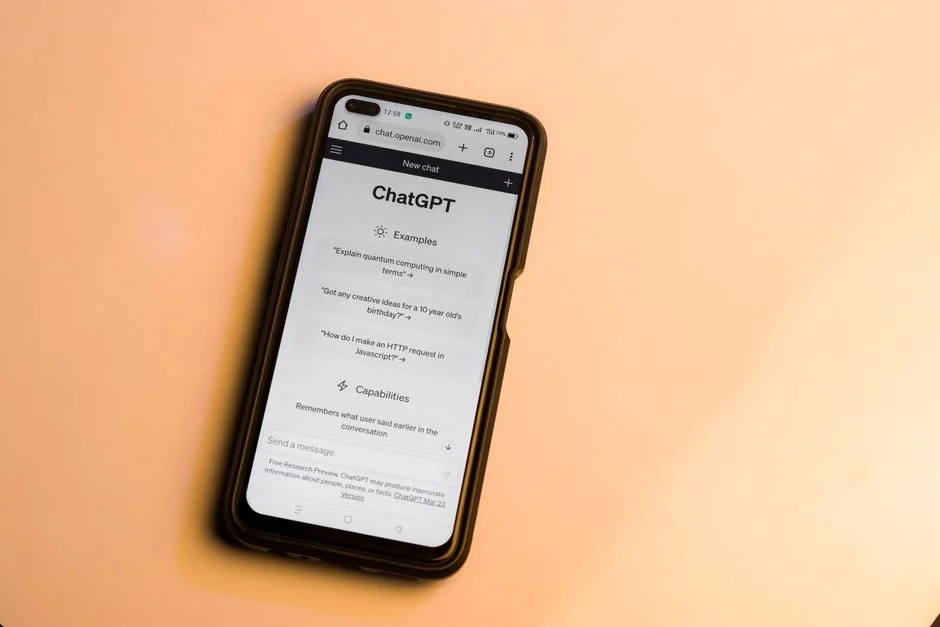
Internal benchmarks shared with developers suggest Live responds in roughly 300 milliseconds on average, a fraction of the latency users experience with current voice assistants. The model also handles background noise, overlapping speakers, and interruptions without losing context.
Market Implications for Voice Technology


The launch lands amid intense competition in the voice AI space. Google, Amazon, and smaller startups have all pushed to improve their voice assistants, but OpenAI's approach represents a architectural shift rather than incremental improvement. Investors tracking the sector noted that Live could accelerate automation in customer service, telehealth, and legal transcription markets.
The global market for AI-powered voice systems was valued at approximately $14 billion in 2023, according to industry estimates. Analysts expect that figure to grow substantially if latency and naturalness barriers fall. OpenAI's entry validates the technology's commercial readiness, potentially triggering a wave of investment in voice automation startups.
Business Applications and Revenue Potential
For businesses, Live opens possibilities in call centre automation, real-time translation, and interactive coaching tools. OpenAI has already partnered with several enterprises to pilot the technology in customer service roles. The company plans to offer API access to developers within months, allowing third-party applications to integrate the voice model directly.
Executives at financial services firms have shown particular interest. Real-time voice AI could handle routine enquiries, freeing human agents for complex tasks. Healthcare providers have also explored using the technology for initial patient intake and symptom checking, areas where delays in traditional systems create bottlenecks.
Developer Access and Pricing
OpenAI will charge developers per minute of audio processed through the Live API. Pricing details remain under wraps, but company officials indicated it would follow a tiered structure similar to existing GPT-4 API plans. A limited beta opens to select developers in the coming weeks, with broader availability expected before the end of the quarter.
Competition and the AI Arms Race
OpenAI's announcement comes weeks after Google demonstrated Project Astra, its own real-time voice assistant. The timing underscores the urgency both companies feel in establishing dominance in voice-based AI interfaces. Microsoft and Anthropic have also expanded their voice capabilities, though neither has matched the end-to-end approach OpenAI showcased.
Startups in the space face pressure to differentiate. Several voice AI companies saw their stock prices dip following the announcement, as investors weighed whether smaller players could compete against a model built by one of the best-funded AI labs in the world.
Regulatory and Ethical Questions
The simultaneous listening-and-speaking capability raises questions about disclosure and consent. Consumer protection advocates have already asked how businesses must inform callers when they are speaking to an AI. OpenAI's usage policy requires developers to disclose when an AI is handling the conversation, but enforcement remains the responsibility of individual companies deploying the technology.
Privacy regulators in the European Union are examining whether Live complies with GDPR requirements for transparent processing of personal data. The Information Commissioner's Office in the United Kingdom has not issued specific guidance, but observers expect scrutiny will follow once the technology sees widespread commercial deployment.
What Happens Next
Developers can join a waitlist for Live API access through OpenAI's website. The company plans to release technical documentation and pricing tiers before the end of the month. Businesses evaluating the technology should assess integration requirements with existing phone systems and compliance obligations before deploying Live in customer-facing roles.
Watch for announcements from major cloud providers about their own real-time voice offerings. OpenAI's move is likely to accelerate roadmaps across the industry, creating more choices for enterprises but also intensifying questions about data handling and accountability in AI conversations.
See Also
- Nvidia Launches AI Chip for Personal Computers — Market Impact
- Bafana Coach Hugo Broos Slams Kaizer Chiefs Fans — Market Reaction Uncertain
Pricing details remain under wraps, but company officials indicated it would follow a tiered structure similar to existing GPT-4 API plans. Watch for announcements from major cloud providers about their own real-time voice offerings.