The United Nations issued an urgent warning on Tuesday that the El Nino weather phenomenon has arrived, threatening to disrupt agricultural output, spike commodity prices, and inflict an estimated $3 trillion drag on the global economy over the next five years. The alert, delivered through the World Meteorological Organization, marks the first confirmed El Nino event since 2019 and carries immediate consequences for investors, businesses, and governments already wrestling with persistent inflation. Pacific Ocean surface temperatures have risen sharply in recent weeks, meeting the technical threshold for an official declaration. Markets are already pricing in disruption, with agricultural futures and energy contracts swinging as traders digest the implications.
What the Science Says Right Now
The World Meteorological Organization confirmed that sea surface temperatures in the east-central Pacific have exceeded the El Nino threshold of 0.5 degrees Celsius above the long-term average for five consecutive months. Secretary-General Petteri Taalas told reporters in Geneva that this event is projected to strengthen through the northern hemisphere autumn and winter. Historical records show El Nino events typically push global temperatures 0.1 to 0.3 degrees higher in the year following formation. The UN agency stopped short of categorising this as a strong event but warned that even moderate El Nino conditions cause outsized economic disruption in vulnerable regions.
Why Agricultural Markets Are Already Moving


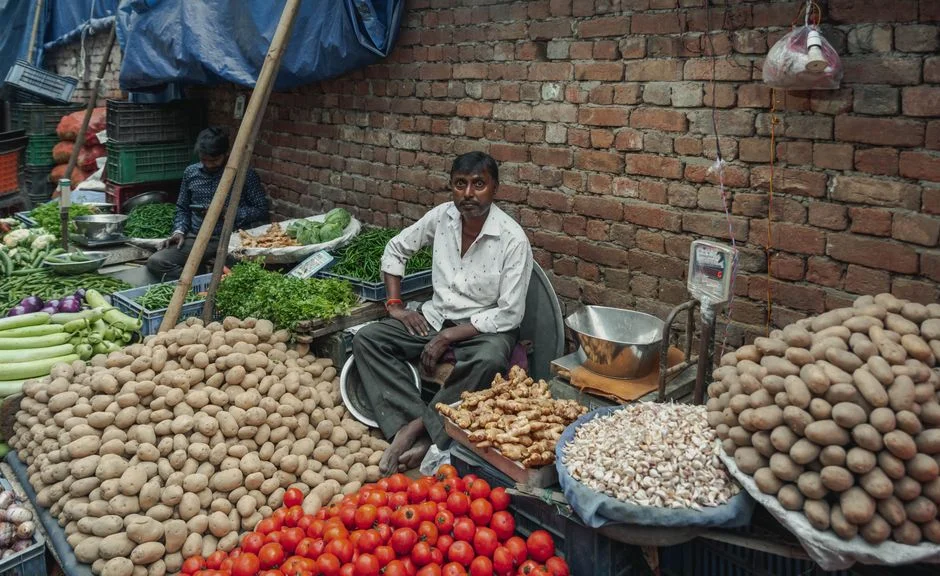
Commodity traders wasted no time responding to the UN announcement. Chicago Board of Trade wheat futures jumped 3.8 percent in morning trading on Tuesday, while palm oil contracts in Kuala Lumpur climbed to their highest level since March. El Nino historically suppresses monsoon rainfall across Southeast Asia, disrupting rice, palm oil, and rubber production. Australian wheat farmers are bracing for below-average rainfall in the coming months, a prospect that could tighten global grain supplies already stretched by the Ukraine conflict. Indonesia, the world's largest palm oil exporter, may see output decline by 15 to 20 percent if dry conditions persist through the second half of the year, according to estimates from the country's agriculture ministry.
Energy Markets Face Separate Pressure Points
The picture is more complex in energy markets. El Nino typically brings milder winters to North America, which could reduce natural gas demand for heating and ease some inflationary pressure on utility bills. However, the phenomenon also drives hotter, drier conditions across South Asia and parts of South America, increasing cooling demand while simultaneously reducing hydropower generation in countries like Brazil, Chile, and Vietnam. Vietnam's state energy company reported last week that reservoir levels at several major hydroelectric facilities have fallen to 40 percent of capacity, raising the prospect of electricity rationing in industrial zones. That creates a direct cost pressure for manufacturers operating in the region, from semiconductor plants in Ho Chi Minh City to garment factories near Hanoi.
The Inflation Equation
Central banks now face an unwelcome complication. Food and energy make up roughly 30 percent of the consumer price index across most developed economies, meaning commodity spikes from El Nino could stall progress on inflation that major central banks have only recently begun to claim is under control. The Bank of England and the European Central Bank have both signalled that rate cuts are coming, but an El Nino-driven food price surge could force a rethink. Emerging market economies are more exposed. The World Bank estimates that a typical El Nino event pushes 2.5 million additional people into extreme poverty globally, primarily through reduced agricultural earnings and higher food prices. Countries in East Africa, already recovering from three consecutive years of drought, face renewed hardship. The UN Food Programme has requested $800 million in emergency funding to pre-position supplies, citing the risk of another regional food crisis.
Investor Implications Across Sectors
Financial analysts are mapping out sector-level winners and losers with unusual urgency. Agricultural commodities firms with Latin American operations stand to benefit from higher crop prices, while food retailers and restaurant chains face margin pressure if input costs climb. Insurers with large catastrophe portfolios should expect elevated claims in Australia, the Philippines, and the southeastern United States, where El Nino often intensifies tropical storm activity. Carbon markets could also move, as prolonged drought reduces forest carbon sequestration capacity in Brazil and Indonesia. Singapore-based trading houses with agricultural exposure are already reviewing their hedging strategies, according to two sources familiar with internal deliberations who spoke on condition of anonymity.
Governments Move to Respond
National governments are not waiting for the full impact to materialise. The Australian Bureau of Agricultural and Resource Economics warned on Monday that winter crop production could fall by 20 percent if El Nino conditions persist as forecast. Canberra has convened an emergency taskforce involving Treasury, the agriculture ministry, and the meteorological bureau to model economic scenarios and prepare contingency responses. In the Philippines, President Ferdinand Marcos Jr ordered the national food agency to double rice buffer stocks over the next 90 days. India has announced it will release wheat from state reserves to cool domestic prices. These moves reflect a broader pattern of pre-emptive intervention that marks a shift from past cycles when governments typically responded after prices had already moved.
What Comes Next
The next 90 days will determine whether this El Nino event follows a moderate or strong trajectory. The Japan Meteorological Agency and the Australian Bureau of Meteorology both issue regular outlook updates that markets will scrutinise closely. If continue rising through August, the economic damage projections will likely escalate. For investors and business leaders, the UN warning is unambiguous: supply chains in food, energy, and materials are entering a period of elevated uncertainty, and contingency planning is no longer optional. The question is not whether El Nino will bite into profits and purchasing power — it is how deeply and for how long.
See Also
- Tribunal Upholds Sanctions Against Ex-EOH Director Over Fake PhD Credentials
- UK Launches National Hunt for Top Cybersecurity Chiefs as Talent Shortage Intensifies