In the last decade, cruise tourism has surged in popularity, with more than 30 million passengers embarking on ocean voyages each year. This growth is not just a testament to the allure of ocean travel but also reflects a shift in how modern travelers are choosing to explore the world. As the cruise industry expands, it faces scrutiny over its environmental and social impact, prompting a collective re-evaluation of sustainable practices. The question arises: can cruise ships offer both luxury and responsibility?
The Evolution of Cruise Tourism: A Shift in Preferences
Cruise tourism has evolved from being a niche luxury market to a mainstream travel option catering to diverse demographics. The variety of sea voyage packages now available has transformed the industry into a versatile travel solution for families, solo travelers, and adventure seekers alike.
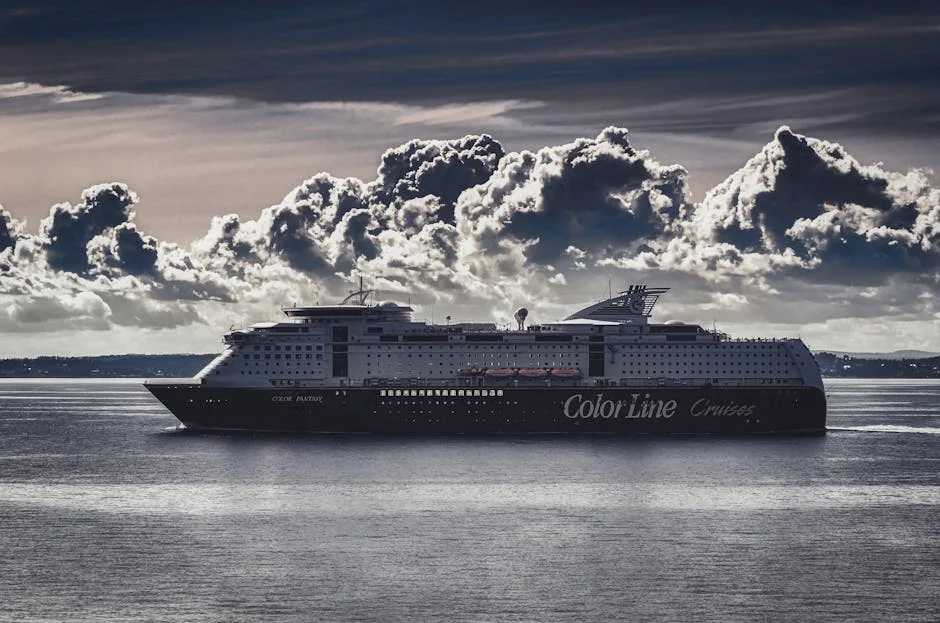
From Luxury to Mainstream
Once synonymous with opulence, cruise ships today offer an array of experiences to suit different budgets and interests. With advancements in ship design, contemporary liners offer amenities ranging from water parks to gourmet dining, making these floating cities more inclusive than ever before. The democratization of cruise travel is evident in the growing number of short-haul and budget-friendly packages.
- Family-friendly cruises with child-centric activities
- Adventure-focused itineraries including scuba diving and hiking
- Luxury voyages featuring private butlers and gourmet experiences
- Eco-friendly cruises emphasizing sustainable tourism
The Rise of Themed Cruises
Themed cruises add a new dimension to the travel experience, offering everything from music festivals at sea to wellness retreats. This trend highlights the industry's adaptability in catering to niche markets, drawing travelers who seek distinctive and memorable experiences.
- Music and cultural festivals
- Sports and fitness retreats
- Gastronomy and wine tours
- Historical and educational voyages
Environmental and Social Impacts: Navigating the Challenges



The rapid growth of cruise tourism has brought environmental concerns to the forefront, with cruise ships being significant contributors to ocean pollution. This has led to increased pressure on the industry to adopt sustainable practices.
Environmental Footprint
Cruise ships are notorious for their environmental impact, emitting substantial amounts of CO2 and other pollutants. Efforts to mitigate this include the development of new technologies and stricter regulations.
- Implementation of cleaner fuel technologies
- Adoption of waste management systems
- Collaboration with ports for sustainable docking
- Investment in carbon offset programs
Several cruise lines are now championing environmental sustainability by investing in LNG-powered ships and reducing single-use plastics onboard. These initiatives aim to minimize the ecological footprint of cruise tourism.
Social Responsibility
Beyond environmental issues, cruise companies are increasingly focusing on social responsibility. Efforts to support local communities and cultures are becoming integral to their operations.
Cruise lines are developing partnerships with local artisans and businesses, ensuring that tourism benefits the communities they visit. This shift towards responsible tourism is crucial in preserving the cultural heritage of destinations.
The Humanitarian Angle: Connecting Cultures
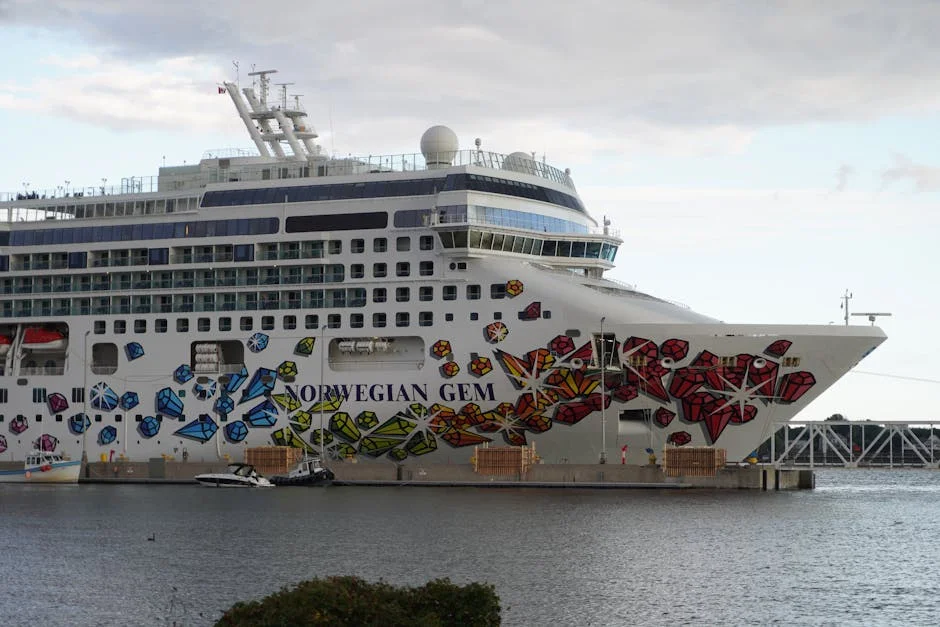
Cruise tourism presents unique opportunities to foster cultural exchange and understanding. By visiting diverse regions and engaging with various cultures, travelers can gain a broader perspective of the world.
Bridging Cultures
Through onboard cultural programs and shore excursions, cruise passengers can immerse themselves in the traditions and history of the regions they visit. This not only enriches the travel experience but also encourages empathy and appreciation for different cultures.
- Participation in local festivals and events
- Workshops on regional crafts and cuisines
- Lectures and seminars on cultural history
- Volunteer opportunities in local communities
Supporting Local Economies
A significant aspect of cruise tourism is its potential to boost local economies. By purchasing local products and services, travelers contribute to the economic well-being of the communities they visit.
The trend towards localized experiences is also supported by specialized travel agencies like Service for Travel, which offer curated cruise tour packages that emphasize authentic regional interactions.
Future Prospects: Innovations and Trends
As the cruise industry looks to the future, innovation and technology will play pivotal roles in shaping its trajectory. From eco-friendly advancements to personalized travel experiences, the industry is poised for transformation.
Sustainable Innovations
Emerging technologies are set to revolutionize cruise travel, with a focus on sustainability. The adoption of renewable energy sources and artificial intelligence in managing ship operations are just a few examples of the industry's commitment to reducing its environmental impact.
- Solar and wind energy integration
- AI-driven navigation systems
- Smart waste recycling processes
- Enhanced passenger tracking for personalized services
Personalized Travel Experiences
Customization is becoming increasingly important, with cruise lines offering tailored experiences to meet individual preferences and needs. Through data analytics and customer feedback, cruise companies are able to provide more personalized services than ever before.
This trend towards individuality is complemented by the growing availability of niche cruise packages, catering to specific interests and lifestyles.
The Global Impact: A Collective Responsibility
The cruise industry stands at a crossroads, with the potential to lead by example in sustainable and socially responsible tourism. An industry-wide commitment to ethical practices will ensure that cruise tourism contributes positively to the global community.
Collaboration between cruise lines, governments, and local communities is essential in fostering a tourism model that is both enriching and sustainable. As travelers become more conscious of their choices, the industry must adapt to meet these evolving expectations.
Ultimately, the future of cruise tourism depends on its ability to balance luxury with responsibility. By embracing sustainable practices and fostering cultural understanding, cruise travel can continue to be a beloved way for people to explore the world, while supporting the planet and its people. As the industry evolves, resources like Service for Travel will be invaluable in guiding travelers toward responsible ocean adventures.
As the world navigates towards a more sustainable future, cruise travel offers a unique opportunity to experience the vastness of our oceans responsibly. With continued innovation and awareness, the industry can chart a course that not only delights passengers but also respects our shared environment.
See Also
- Europe's Heat Smashes Records — Energy Bills Are Surging
- Lazarus Naidoo Exposes Untold Stories of Heroes – How It Affects UK Narratives
What is the latest news about the evolution of cruise tourism a shift in preferences?
Why does this matter for environment?
What are the key facts about the evolution of cruise tourism a shift in preferences?