Kuwait's main international airport suspended operations on Wednesday after strikes struck near the facility, wounding several people and sending shockwaves through regional markets already nervous about broader Middle East instability. The incident marks a significant escalation in ongoing tensions, forcing airlines to reroute flights and raising fresh concerns about oil supply chains that pass through the Gulf.
Airport Operations Halted
The strikes hit the outskirts of Kuwait International Airport, causing authorities to ground all flights. Civil aviation officials confirmed the closure would remain in effect until security assessments were completed. Several people were wounded in the attacks, though the exact number remained unclear as emergency services responded to the scene.
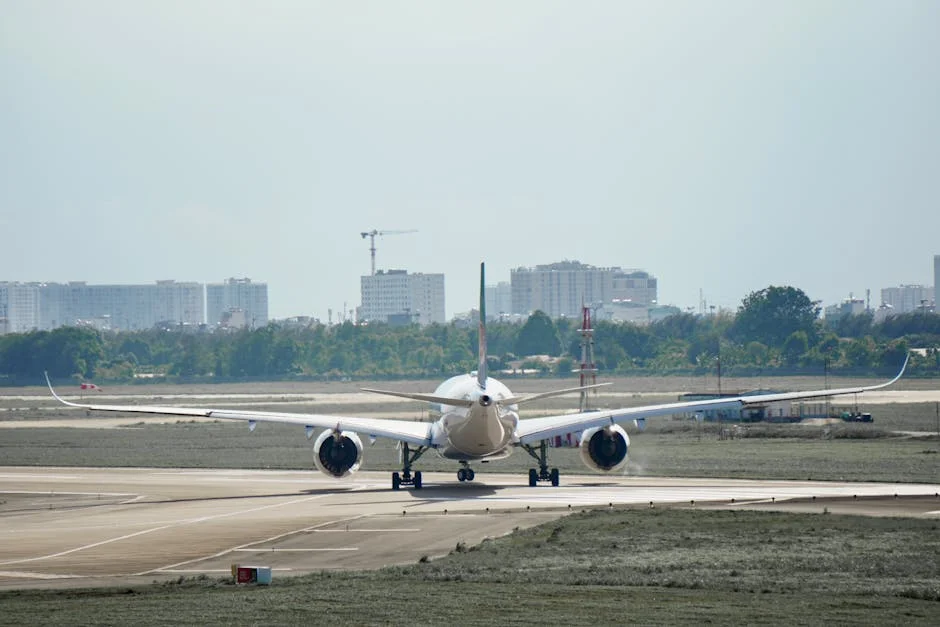
Neighbouring airports in Dubai and Bahrain reported increased traffic as carriers scrambled to divert aircraft. The closure creates immediate knock-on effects for cargo operations, with thousands of tonnes of goods normally transiting through Kuwait now facing delays.
Aviation Sector Takes Immediate Hit


Airline stocks fell sharply in early trading following news of the airport shutdown. Gulf carriers including those operating hub routes through the region saw share prices decline as analysts revised growth forecasts downward. The incident arrives at a fragile moment for the aviation industry, which has been working to restore confidence in regional routes after years of pandemic disruptions.
Insurance premiums for flights covering the Gulf corridor are expected to climb. Aviation insurers typically adjust war-risk surcharges within days of significant incidents, meaning carriers face higher operating costs immediately. Routes linking Europe to Asia that use Gulf hubs as refuelling stops could become more expensive to operate.
Impact on Freight and Logistics
Kuwait serves as a key transit point for cargo moving between Europe, the Middle East, and South Asia. The airport closure disrupts supply chains that rely on express freight services. Logistics companies warned that time-sensitive shipments, particularly pharmaceuticals and electronics, face spoilage risks if the shutdown extends beyond 48 hours.
Shipping rates for air freight could surge as capacity tightens across the region. Freight forwarders told reporters they were fielding urgent enquiries from manufacturers seeking alternative routing options, though few viable substitutes exist for direct Gulf connections.
Oil Markets React to Regional Tensions
Crude oil prices climbed following the strikes, with Brent futures rising by over 3% in Asian trading. Kuwait sits at the heart of oil production regions, and any disruption to regional stability triggers immediate reactions in energy markets. Traders pointed to the airport incident as evidence that broader conflict could disrupt output from Gulf states.
The Organisation of the Petroleum Exporting Countries has maintained production limits for months, leaving markets tight. A sustained escalation could complicate the group's plans to gradually increase output later this year. Energy analysts noted that even the perception of spreading instability causes buyers to bid up prices as a protective measure.
Gasoline prices at European pumps may climb within days if oil markets fail to settle. Refiners typically adjust processing rates within a week of raw material cost changes, passing increases to consumers shortly after.
Business Confidence Wavers
Corporate investors with operations in the Gulf region voiced alarm at the latest development. Business councils representing foreign companies in Kuwait called for de-escalation, warning that sustained instability would accelerate plans to relocate activities to more stable jurisdictions. Regional sovereign wealth funds, major global investors, may begin reviewing portfolio allocations that expose them to Gulf market volatility.
Construction projects worth billions of dollars face fresh delays as contractors grapple with supply disruptions and worker safety concerns. Several major infrastructure schemes in Kuwait had already encountered setbacks from earlier periods of regional tension.
Banking sectors across the Gulf saw modest stock declines as investors repositioned away from higher-risk assets. Credit spreads on sovereign and corporate bonds issued by Gulf states widened, reflecting elevated perceived risk among bondholders.
Tourism and Travel Industry Faces Setback
The airport closure strikes a blow to Kuwait's efforts to rebuild tourism revenue after years of depressed visitor numbers. Hotels and entertainment venues in the capital had reported improving occupancy rates in recent months. The strikes introduce fresh uncertainty into recovery plans that depended on reliable aviation connections.
Dubai, typically a beneficiary when regional rivals face disruption, may absorb some diverted traffic. Yet hoteliers in the emirate privately expressed concern that the incident could dampen overall appetite for Gulf travel if tourists perceive the entire region as unstable.
Diplomatic Efforts and Next Steps
Foreign ministries in Washington and London issued statements urging all parties to exercise restraint. The United Nations Security Council was expected to hold emergency consultations, according to diplomats familiar with the matter.
Markets will watch closely for any signs of further military activity. If strikes continue or expand geographically, economists warned that the economic fallout would extend far beyond aviation and energy sectors, affecting global trade patterns and investment flows for months.
Kuwait authorities have not announced a timeline for reopening the airport. Airlines have issued travel advisories warning passengers to expect significant delays. The coming 48 hours will prove decisive in determining whether the incident remains an isolated event or signals broader escalation with deeper economic consequences.
See Also
- Shehu Sani Warns Jonathan: PDP's Burden Awaits, Not a Rescue Mission
- Pete Davidson Praises Kim Kardashian's Resilience — Boosts Her Business Image
Regional sovereign wealth funds, major global investors, may begin reviewing portfolio allocations that expose them to Gulf market volatility.Construction projects worth billions of dollars face fresh delays as contractors grapple with supply disruptions and worker safety concerns. Energy analysts noted that even the perception of spreading instability causes buyers to bid up prices as a protective measure.Gasoline prices at European pumps may climb within days if oil markets fail to settle.
What is the latest news about iran strikes shut kuwait airport markets brace for regional disruption?
Why does this matter for politics?
What are the key facts about iran strikes shut kuwait airport markets brace for regional disruption?