Donald Trump has declared that the fragile ceasefire between Israel and Iran is currently on "massive life support." This stark assessment comes as global markets react to the potential resumption of full-scale conflict in the Middle East. Investors are already pricing in higher volatility across energy and equity sectors.
Market Reaction To Diplomatic Fragility
Financial markets are notoriously sensitive to geopolitical stability, particularly in the Persian Gulf region. The comment from the US President has triggered immediate anxiety among traders in London and New York. Oil prices have shown early signs of upward pressure as supply chain fears return. The Brent crude benchmark is closely watched by energy analysts for any sudden spikes.
Equity markets in the UK are responding with cautious pessimism. The FTSE 100 index has seen mild corrections as investors rotate into safe-haven assets. Companies with heavy exposure to Middle Eastern logistics are seeing their shares dip. This reaction underscores the enduring link between diplomatic rhetoric and economic reality.
Energy Sector Implications

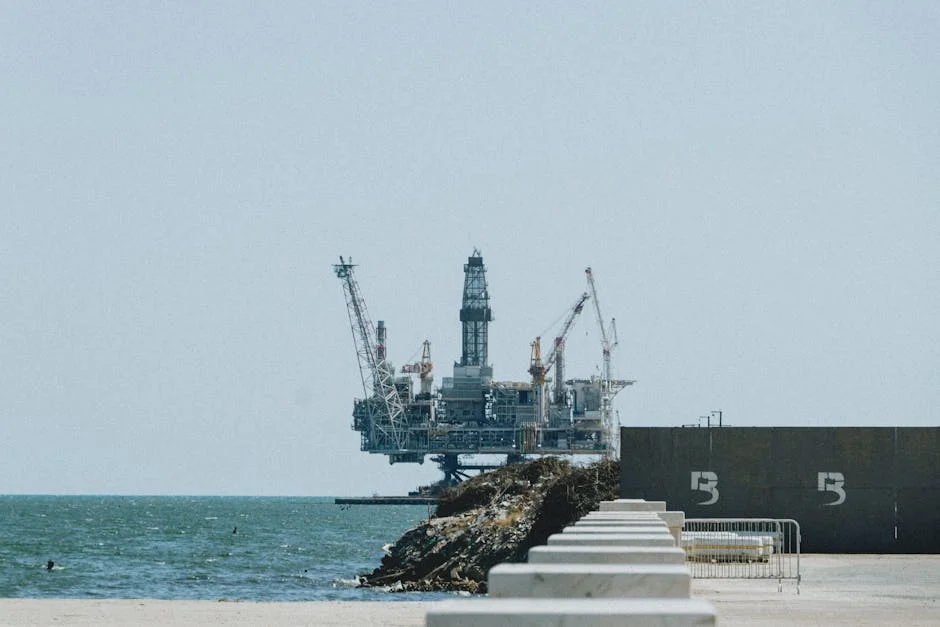
The energy sector faces the most direct risk from a potential breakdown in the Iran-Israel truce. A renewed conflict could disrupt shipping lanes through the Strait of Hormuz. This narrow waterway accounts for a significant portion of global oil exports. Any blockage would send shockwaves through the global fuel supply chain.
European energy traders are already adjusting their hedging strategies. The National Grid in the UK is monitoring potential price fluctuations in natural gas. These fluctuations could impact domestic heating costs for British households. Businesses reliant on imported energy are reviewing their long-term contracts to mitigate risk.
Risk Assessment For Investors
Investors are advised to monitor specific indicators that signal escalating tension. These indicators include military movements near the border and diplomatic statements from Tehran. The market does not like uncertainty, and prolonged ambiguity can be as damaging as conflict. Portfolio diversification remains a key strategy for navigating this period of instability.
Analysts suggest that the initial market reaction may be more emotional than fundamental. However, if the ceasefire holds, oil prices could correct downwards quickly. Traders should be prepared for high volatility in the coming weeks. This environment favors agile investors who can react swiftly to new information.
Impact On UK Business Operations
British businesses with supply chains passing through the Middle East face potential disruptions. Logistics companies are reviewing routes to avoid the Red Sea and Persian Gulf areas. Insurance premiums for shipping goods through these regions are likely to rise. This increase in cost could be passed on to consumers in the UK market.
The tourism industry in the UK may also feel the ripple effects. If travel warnings are issued for Israel and Iran, British tourists may adjust their holiday plans. Hotels and airlines in London are preparing for potential shifts in demand. This sector is sensitive to global confidence levels and consumer spending habits.
Geopolitical Context And Historical Precedents
The current tension between Israel and Iran has deep historical roots. Years of proxy wars and direct military strikes have kept the region on edge. The recent ceasefire was seen as a temporary reprieve rather than a permanent solution. Trump's comments highlight the precarious nature of this diplomatic agreement.
Historically, Middle East conflicts have led to spikes in global commodity prices. The 1973 oil crisis is a prime example of how regional disputes affect global economies. Today's interconnected markets mean that the impact spreads faster and wider. Understanding this history helps investors anticipate potential economic outcomes.
Investment Strategies For Volatile Times
Investors should consider increasing their holdings in defensive sectors. Utilities and consumer staples often perform well during periods of geopolitical uncertainty. These sectors provide essential goods and services that people continue to buy. This stability can help balance a portfolio exposed to riskier assets.
Gold and other precious metals are traditional safe-haven assets. Prices for gold have already shown some resilience in response to the news. Currency markets may also see the British pound fluctuate against the US dollar. Monitoring these assets can provide opportunities for strategic investment moves.
Future Outlook And Key Indicators
The coming weeks will be critical in determining the stability of the ceasefire. Diplomatic talks between key players will influence market sentiment. Investors should watch for any new military engagements or diplomatic breakthroughs. These events will provide clearer signals about the future economic landscape.
Regulatory bodies in the UK are also monitoring the situation closely. The Bank of England may adjust its monetary policy in response to inflationary pressures. This could affect interest rates and borrowing costs for British businesses. Staying informed about these policy changes is essential for financial planning.
Global supply chains remain vulnerable to sudden disruptions. Companies should continue to diversify their suppliers to reduce risk. This proactive approach can help mitigate the impact of any future conflicts. Resilience in the face of uncertainty is a key business strategy in today's market.
Readers should watch for the next major diplomatic summit scheduled for early next month. This meeting could provide crucial updates on the ceasefire status. Market reactions to the outcomes will be swift and potentially volatile. Preparing for these shifts will be essential for investors and businesses alike.
See Also
- Envigado FC Aims for BetPlay Title — What It Means for Investors
- Uganda’s Sovereignty Law Triggers Investor Alarm