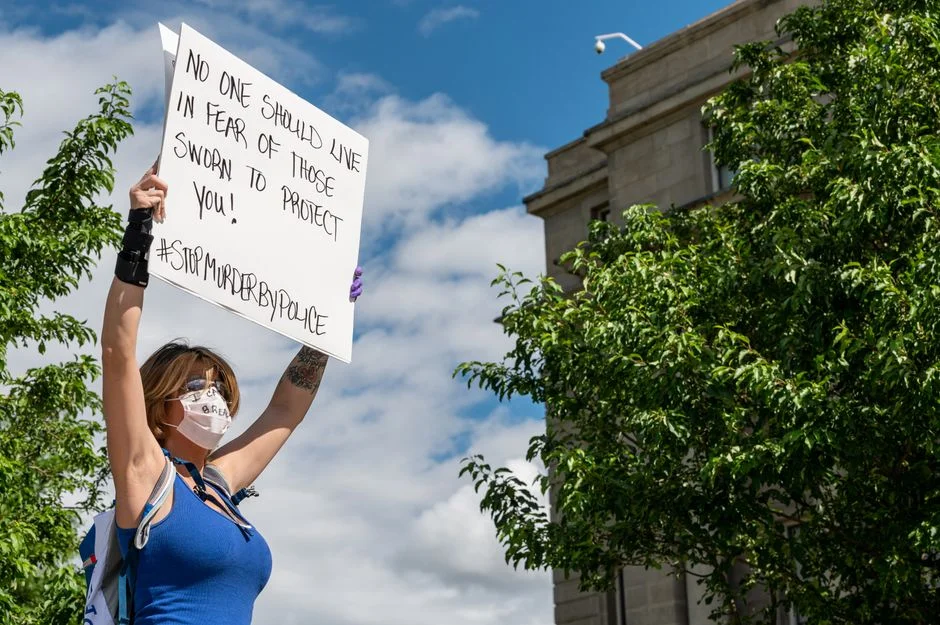
Teachers in Oyo State took to the streets this week demanding the immediate rescue of colleagues who remain missing following a spate of violent incidents. The protest drew an unusually direct response from a senior federal figure, who assured the demonstrators that rescue efforts were underway while issuing a sharp warning about those seeking to exploit the crisis for political gain.
The demonstration, which took place in Ibadan, placed fresh pressure on security agencies already struggling to contain mounting violence across several states. Teachers carried placards and chanted slogans calling for the safe return of their missing colleagues, highlighting what they described as the government's failure to protect educators working in volatile areas.
Teachers Demand Government Action
The protesting educators represented schools across multiple local government areas in Oyo State. Local media reported that some teachers had refused to return to classrooms until concrete steps were taken to address their safety concerns.
Channels Television footage from the protest showed demonstrators gathering outside the state government complex, where they called for improved security arrangements for schools in rural areas. The protesters voiced frustration that previous incidents had not prompted sufficient response from authorities.
Wike's Response and Rescue Assurance
The FCT Minister addressed the situation during a nationally televised appearance, confirming that rescue efforts were actively underway. He stated that relevant security agencies had been deployed to locate the missing teachers and bring them to safety.
His comments represented a notable intervention from a federal official in what has traditionally been handled as a state-level matter. The minister emphasised that the federal government was monitoring developments closely and stood ready to provide additional support if required.
Warning Against Politicising Insecurity
The minister reserve his sharpest remarks for those he accused of weaponising the crisis for political purposes. He cautioned against using the teachers' plight as ammunition in ongoing rivalries between political factions, warning that such exploitation only complicated rescue operations and undermined public trust.
"Those who seek to profit from this tragedy are adding to the suffering of the families involved," he told reporters. Security experts have long argued that Nigeria's security challenges are compounded by political interference in military and police operations.
Security Context in Nigeria's Education Sector
The Oyo State incident adds to a troubling pattern affecting Nigeria's education system. Schools in several states have become targets for kidnappings, with criminal groups calculating that educators and students represent vulnerable targets in areas with limited security presence.
The economic consequences extend beyond individual families. Absenteeism rates in affected regions have risen sharply, with parents increasingly reluctant to send children to schools lacking adequate protection. Some international development organisations have flagged education access as a growing concern in Nigeria's conflict-affected zones.
Broader Economic Implications
The crisis strikes at Nigeria's human capital development at a time when the country faces significant challenges in building a skilled workforce. Business leaders have expressed concern that recurring security incidents deter foreign investment and complicate expansion plans in affected regions.
Insurance costs for educational institutions have risen in recent quarters, reflecting assessments of elevated risk. Companies operating in sectors requiring educated local workforces view education stability as a prerequisite for long-term planning. The ongoing instability in Oyo and neighbouring states adds to investor caution about the operating environment.
Security sources indicated that operations to locate the missing teachers would continue through the coming days. The government faces mounting pressure to demonstrate results before the situation generates further political fallout. Watchers of Nigerian politics expect the opposition to raise the matter in the next parliamentary session, setting the stage for a confrontation over security policy and funding.
See Also
- Demasiado Seguro Shocks Markets — Portugal’s Insurance Sector Faces Reckoning
- World Athletics Defies Shoe Ban Hopes — Markets React
What is the latest news about wike vows rescue for missing oyo teachers slams political exploitation of crisis?
Why does this matter for politics?
What are the key facts about wike vows rescue for missing oyo teachers slams political exploitation of crisis?