The University of Bath has secured ninth place in the Complete University Guide 2027, a rise that carries real weight for the city's businesses, property market, and economic trajectory. The ranking places Bath among the country's most prestigious institutions and signals heightened competition for students, research funding, and commercial partnerships.
Ranking Signals Economic Clout
University rankings matter beyond academic reputation. When an institution climbs the ladder, it draws more applications, attracts higher-calibre research staff, and generates increased spending in the surrounding area. Bath's rise to ninth place means the university will likely enrol a larger cohort of domestic and international students come autumn, each contributing to the local economy through rent, retail, and services.
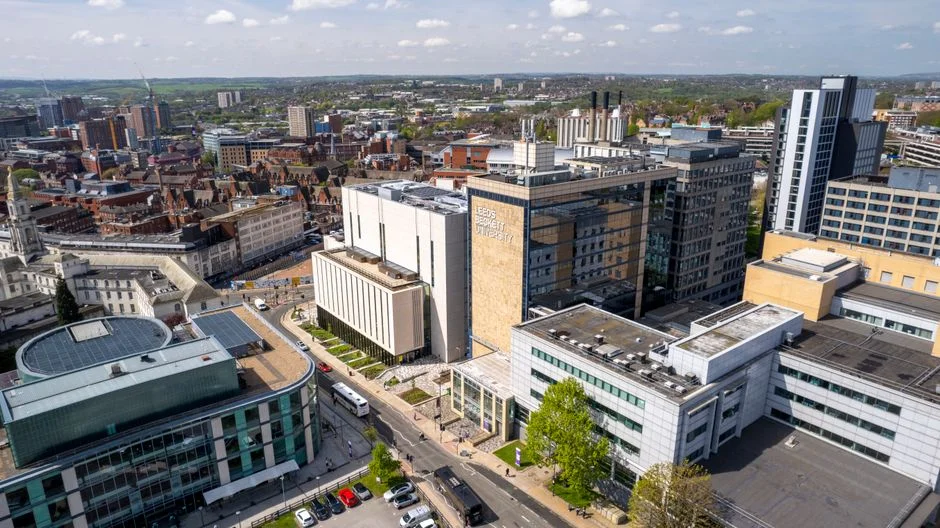
The Complete University Guide evaluates institutions across nine metrics, including graduate outcomes, student satisfaction, and research quality. Bath's performance across these measures suggests strong fundamentals that businesses and investors in the South West region should monitor closely.
Property Market Braces for Change


The housing market in Bath has long been sensitive to university activity. Student accommodation demand drives rental prices, while university staff and visiting academics create a persistent pool of higher-income renters. Estate agents in the city are already fielding queries from parents seeking property near the campus ahead of the 2027 intake cycle.
Property values in areas like Widcombe, Larkhall, and the university corridor have historically tracked university enrolment figures. A stronger ranking typically amplifies demand for both rental and purchase stock, putting upward pressure on prices in a city already known for its elevated property costs.
Commercial Property Implications
Beyond residential property, commercial real estate in Bath stands to benefit. University spin-out companies, research parks, and student-facing businesses all require space. The ranking rise strengthens Bath's case for further investment in innovation districts, co-working facilities, and hospitality venues catering to academic conferences and corporate events linked to university partnerships.
Graduate Talent Pipeline
For employers, a university's ranking translates into the quality of graduates entering the workforce. Bath's ninth-place position means companies in engineering, business, sport, and social sciences will find a deeper pool of well-qualified candidates. Major employers in the Bristol and Bath economic corridor, including aerospace firms, financial services companies, and technology startups, rely on the university as a talent pipeline.
The university's careers service reports that graduate employment rates consistently exceed 80 percent within six months of graduation. This metric feeds directly into regional productivity and supports businesses seeking skilled workers without relocating talent from London or other major centres.
Research Funding and Business Partnerships
Higher rankings correlate with increased access to research grants and industry collaborations. The University of Bath's science, engineering, and management schools have established relationships with companies across sectors including pharmaceuticals, automotive, and professional services. A top-ten ranking strengthens the university's negotiating position when seeking joint ventures, licensing agreements, and consultancy contracts.
Local chambers of commerce and business groups in Bath have long advocated for stronger ties between the university and SMEs. The ranking provides momentum for these efforts, potentially unlocking more opportunities for smaller businesses to access university facilities, expertise, and student placement schemes.
Competition with Oxford and Cambridge
While Oxford retains its position near the summit of university rankings, Bath's rise into the top ten reflects a broader shift in the higher education landscape. The city cannot match Oxford's global brand recognition, but it offers lower living costs, a more manageable urban scale, and increasingly competitive academic programmes.
For investors and businesses, this dynamic creates an opportunity. Oxford's extreme property prices and congestion push some students and researchers toward more affordable alternatives. Bath captures a share of this overflow, bringing economic activity without the extreme costs associated with the Oxford-Cambridge corridor.
What Comes Next
The 2027 intake cycle begins in the autumn, when universities confirm offers and students make final decisions. Bath's ninth-place ranking will feature prominently in prospectuses, recruitment events, and social media campaigns targeting prospective students and their families.
Business groups and local authorities should watch for two developments in the coming months. First, enrolment figures for 2027 will confirm whether the ranking translates into measurable growth. Second, the government's spending review will determine future levels of teaching and research funding, which could amplify or constrain Bath's momentum.
The university has already announced plans to expand its postgraduate offering in data science, sustainability, and health technology. How quickly these programmes scale will shape the economic impact felt across Bath and the wider South West region through the decade.
See Also
- Australia Brings Back Islamic State Families from Syria — Market Impact Looms
- Kick Confirms UK Launch Times — Market Reactions Surge
The ranking provides momentum for these efforts, potentially unlocking more opportunities for smaller businesses to access university facilities, expertise, and student placement schemes.Competition with Oxford and CambridgeWhile Oxford retains its position near the summit of university rankings, Bath's rise into the top ten reflects a broader shift in the higher education landscape. This metric feeds directly into regional productivity and supports businesses seeking skilled workers without relocating talent from London or other major centres.Research Funding and Business PartnershipsHigher rankings correlate with increased access to research grants and industry collaborations.