In March, electric vehicles (EVs) drove a remarkable 12.5% rise in European Union car sales, as reported by Channels Television. This surge underscores the growing consumer appetite for cleaner modes of transportation and highlights the increasing influence of EVs on the automotive industry.
Electric Vehicles Drive Market Shift
The Association of European Automakers revealed that the growth in car sales was primarily fuelled by a significant increase in EV purchases. As consumers become more environmentally conscious, manufacturers have ramped up production to meet demand. This trend is reshaping the automotive market, with traditional carmakers pivoting to electric models.
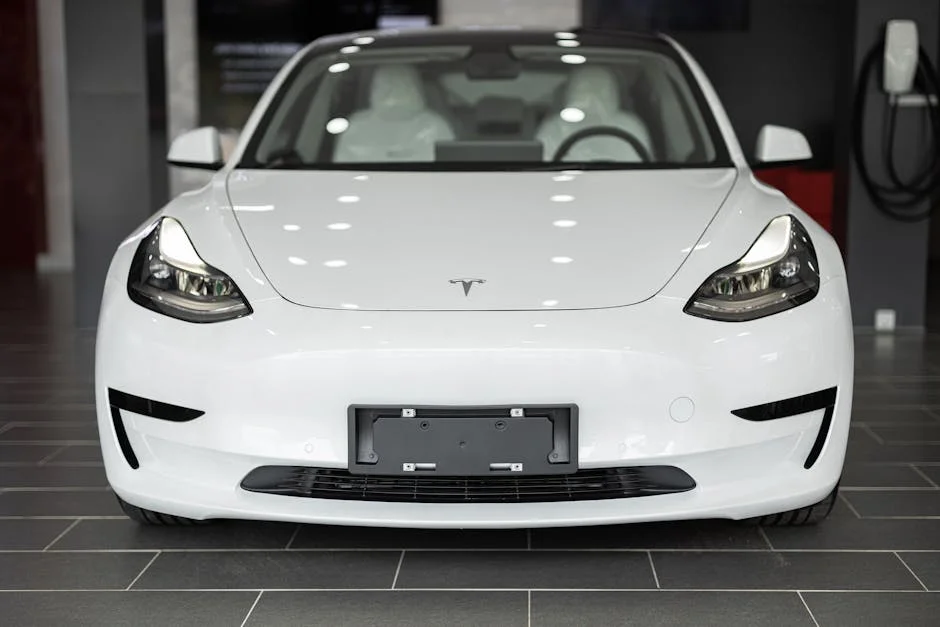
In key markets such as Germany and France, sales of EVs doubled compared to the previous year. This shift not only reflects consumer preferences but also indicates a strategic move by car manufacturers to invest heavily in electric technology. The transition is seen as crucial for staying competitive in a rapidly evolving industry.
Impact on Businesses and Investors


For businesses, this increase in EV sales presents both challenges and opportunities. Companies in the automotive supply chain are having to adapt to new demands for components like batteries and electric motors. Meanwhile, charging infrastructure providers are seeing increased investment, as the need for extensive networks grows.
Investors are taking note, with many reallocating funds towards companies involved in the EV sector. Tesla's success has inspired confidence in the potential of electric vehicles, prompting a surge in stock prices for emerging EV companies. The European market's expansion offers promising prospects for investors seeking growth opportunities.
Economic Implications and Future Outlook
The rise in EV sales has broader economic implications. It signals a shift in employment patterns, with job creation in sectors related to renewable energy and electric technology. This transition is expected to contribute to economic growth in the EU, as innovation drives new market opportunities.
As the EU pushes towards more stringent emissions standards, the automotive industry will likely continue to evolve. Governments are supporting this shift with policies aimed at reducing carbon footprints, which further propels the adoption of electric vehicles.
What to Watch Next
Looking forward, stakeholders will be closely monitoring how car manufacturers adapt to the increasing demand for electric vehicles. The development of more efficient battery technologies and expanded charging infrastructure will be crucial. The trajectory of the EV market will likely influence global automotive trends, making this sector one to watch for economic and investment insights in the coming months.
See Also
- Pierre Deny Dies from Rapid Form of Charcot Disease — Economic Impact on the Arts
- Nigeria Kidnapping Crisis Shocks Markets as Borno Schools Fall
Tesla's success has inspired confidence in the potential of electric vehicles, prompting a surge in stock prices for emerging EV companies. The trajectory of the EV market will likely influence global automotive trends, making this sector one to watch for economic and investment insights in the coming months.
What is the latest news about electric vehicles propel eu car sales up 125 investors eye new opportunities?
Why does this matter for technology?
What are the key facts about electric vehicles propel eu car sales up 125 investors eye new opportunities?