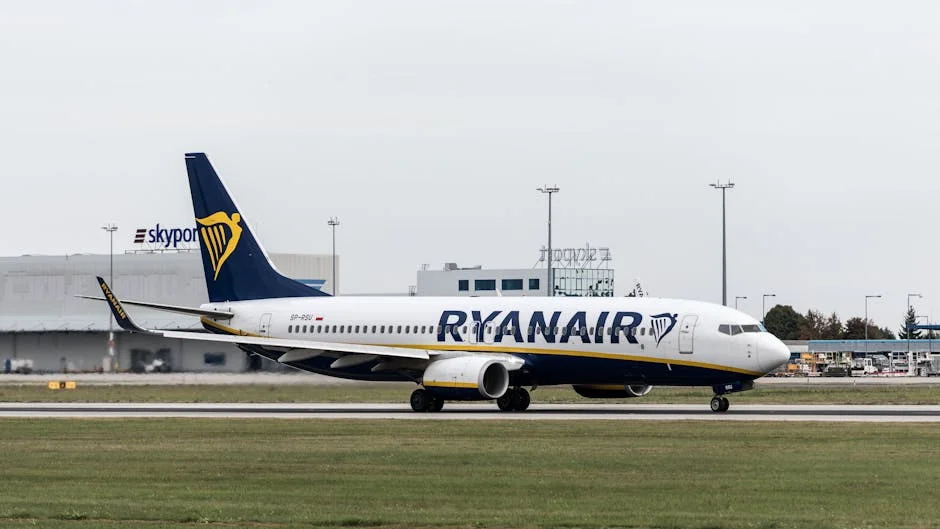
Singapore Airlines diverted a flight from Guangzhou to Batam due to severe weather conditions, highlighting the fragility of Asia’s air cargo networks. This incident, involving a carrier from Singapore, underscores how meteorological shifts directly impact regional supply chains and investor confidence. The disruption serves as a microcosm of broader logistical vulnerabilities facing businesses reliant on just-in-time delivery systems across Southeast Asia.
Immediate Operational Disruptions in Southeast Asia
The diversion of the SIA flight to Batam, an Indonesian island near Singapore, was not merely an inconvenience for passengers but a potential bottleneck for freight. Air cargo is a critical component of the regional economy, particularly for high-value electronics and pharmaceuticals. When weather weather singapore news today reports indicate heavy rainfall or thunderstorms, airlines must make rapid decisions that ripple through the logistics sector.
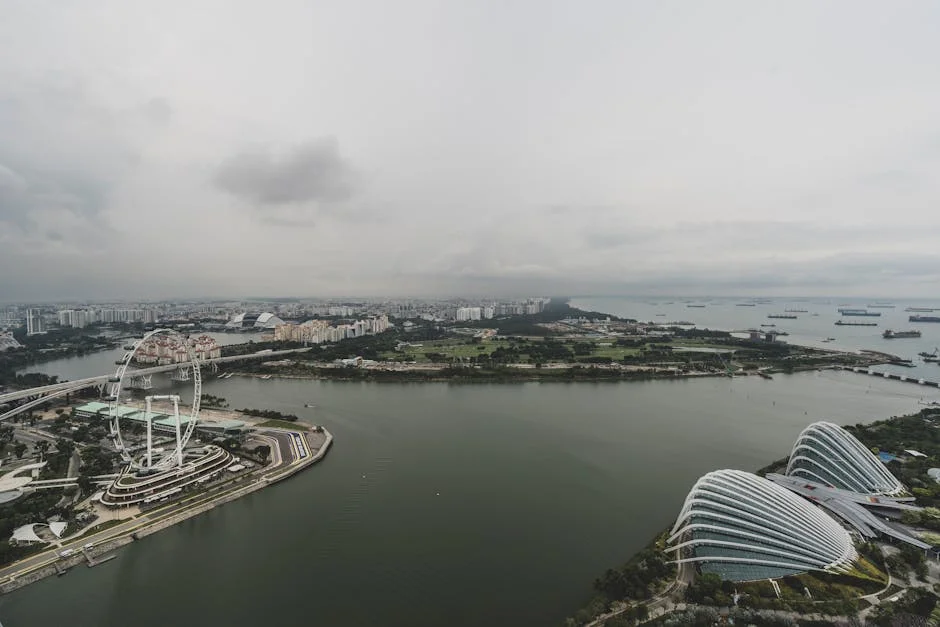
Batam International Airport has limited capacity compared to Singapore’s Changi Airport. This limitation means that aircraft sitting on the tarmac in Batam may face delays in refueling, crew changes, and cargo offloading. For businesses shipping time-sensitive goods from China to Europe or the Middle East, a six-hour delay can mean missed connecting flights and increased storage costs.
The incident reflects the broader challenges posed by weather singapore general update patterns in the region. Monsoon seasons and tropical depressions frequently target the Strait of Malacca, one of the world’s busiest shipping lanes. Airlines and logistics firms must constantly adjust their schedules to accommodate these unpredictable weather events, leading to increased operational expenditures and potential revenue losses.
Impact on Regional Supply Chains and Trade

Cargo Delays and Inventory Costs
The economic implications of such diversions extend far beyond the immediate travel inconvenience. For multinational corporations operating in Southeast Asia, air freight often accounts for up to 30% of total logistics costs. A delay in a single flight can disrupt the entire supply chain, particularly for industries like semiconductor manufacturing, where components must arrive at precise intervals.
Consider the electronics industry in Malaysia and Thailand, which relies heavily on components flown in from Guangzhou and Shenzhen. If a flight is diverted to Batam, the cargo may arrive a day late, causing production lines to slow down or even halt. This leads to increased inventory holding costs and potential penalties for late deliveries to global customers.
Investors monitoring the region must pay close attention to these logistical disruptions. Companies with robust supply chain diversification strategies are likely to fare better than those reliant on single-route air freight. The incident involving SIA serves as a reminder that weather-related disruptions are a growing risk factor in the Asian market, influencing stock prices and investor sentiment.
Port Congestion and Secondary Effects
When air cargo is delayed, it often spills over into other modes of transport. If goods cannot be flown out on schedule, they may be routed through sea freight, which is slower but more cost-effective for bulk items. This shift can lead to increased congestion at major ports like Singapore and Jakarta, further delaying shipments.
The ripple effect can be seen in the pricing of consumer goods in Europe and North America. If supply chains are disrupted in Asia, retailers may face higher costs, which they often pass on to consumers. This phenomenon is particularly relevant for luxury goods and high-tech products, where brand reputation is tied to timely delivery.
Market analysts suggest that companies should consider investing in multi-modal logistics solutions to mitigate these risks. By combining air, sea, and land transport, businesses can create more resilient supply chains that are less vulnerable to single-point failures caused by weather events.
Investor Perspective and Market Reactions
The financial markets are increasingly sensitive to operational disruptions in key economic hubs. When a major carrier like Singapore Airlines faces weather-related diversions, investors may react by adjusting their portfolios. This reaction is not just about the airline’s immediate financial performance but also about the broader health of the Asian logistics sector.
Stocks of logistics companies, airlines, and manufacturers in the region may experience volatility following such incidents. For instance, if the diversion leads to a noticeable delay in cargo deliveries, investors might sell off shares in companies that are heavily dependent on air freight. This can create short-term trading opportunities for those who understand the underlying supply chain dynamics.
Furthermore, the incident highlights the importance of insurance in the logistics sector. Companies that have comprehensive cargo insurance are better positioned to absorb the financial shocks caused by weather-related disruptions. Investors should look for companies with strong risk management strategies and diversified revenue streams to navigate these uncertainties.
The SG latest news regarding this diversion also provides insights into the operational efficiency of regional airports. Batam’s ability to handle diverted flights efficiently can influence investor confidence in the Indonesian aviation sector. If Batam proves to be a reliable alternative, it could attract more investment in its infrastructure and services.
Economic Implications for Singapore and the UK
While the incident occurred in Southeast Asia, its economic implications extend to global markets, including the UK. The UK is a significant trading partner with Singapore and other ASEAN countries, particularly in the financial services and technology sectors. Any disruption in air cargo flows can affect the timely delivery of goods and services between these two economies.
For UK-based businesses importing goods from Asia, a delay in air freight can lead to increased costs and potential stockouts. This is particularly relevant for the retail and fashion industries, which rely on just-in-time inventory management to keep up with consumer demand. The weather singapore impact on the UK trade relationship is a subtle but important factor that businesses must consider when planning their supply chain strategies.
Moreover, the incident underscores the interconnectedness of the global economy. A weather event in Southeast Asia can have ripple effects that reach as far as London and New York. This interconnectedness means that investors and policymakers must adopt a more holistic view of economic risks, considering both local and global factors when making decisions.
The UK government and businesses should monitor such developments closely to anticipate potential disruptions. By building stronger trade relationships and diversifying supply chains, the UK can mitigate the impact of weather-related disruptions in Asia. This proactive approach can help maintain economic stability and competitiveness in the global market.
Long-Term Strategies for Resilience
To mitigate the impact of weather-related disruptions, businesses and governments must adopt long-term strategies for resilience. This includes investing in infrastructure, technology, and diversification. For example, airports in Southeast Asia could invest in better weather forecasting systems and expand their capacity to handle diverted flights.
Companies can also leverage technology to improve supply chain visibility. By using real-time data analytics, businesses can track their cargo and make informed decisions about routing and scheduling. This can help minimize delays and reduce the financial impact of weather-related disruptions.
Furthermore, governments in the region should collaborate to create a more integrated logistics network. By sharing resources and information, countries like Singapore, Indonesia, and Malaysia can improve the efficiency of their air and sea freight operations. This collaboration can help create a more resilient supply chain that is better equipped to handle future weather events.
The SG analysis the UK and other global markets must consider these long-term strategies when evaluating investment opportunities in Southeast Asia. Companies that are proactive in building resilience are likely to outperform their peers in the face of increasing weather-related disruptions. This approach can help investors identify high-growth opportunities in the region.
What to Watch Next
As the monsoon season progresses, investors and businesses should monitor weather patterns in Southeast Asia closely. The frequency and intensity of weather events will likely influence the performance of airlines, logistics firms, and manufacturers in the region. Keeping an eye on SG general update reports and airline announcements can provide valuable insights into potential disruptions.
Additionally, watch for announcements from major logistics companies regarding their resilience strategies. Companies that invest in technology and infrastructure are likely to be better positioned to handle future weather-related challenges. This information can help investors make informed decisions about their portfolios.
The next few weeks will be critical in assessing the long-term impact of the SIA flight diversion. If similar incidents occur frequently, it could lead to a reevaluation of supply chain strategies across the region. Businesses that adapt quickly to these changes are likely to gain a competitive advantage in the global market.