Armed assailants struck a community in Plateau State under the cover of midnight darkness, killing eleven residents including two pregnant women. This sudden escalation of violence in one of Nigeria’s most economically active regions sends immediate shockwaves through local business operations and investor confidence. The attack underscores the persistent security challenges that continue to plague the North-Central zone, raising urgent questions about the economic stability of the region.
Immediate Economic Disruption in Plateau
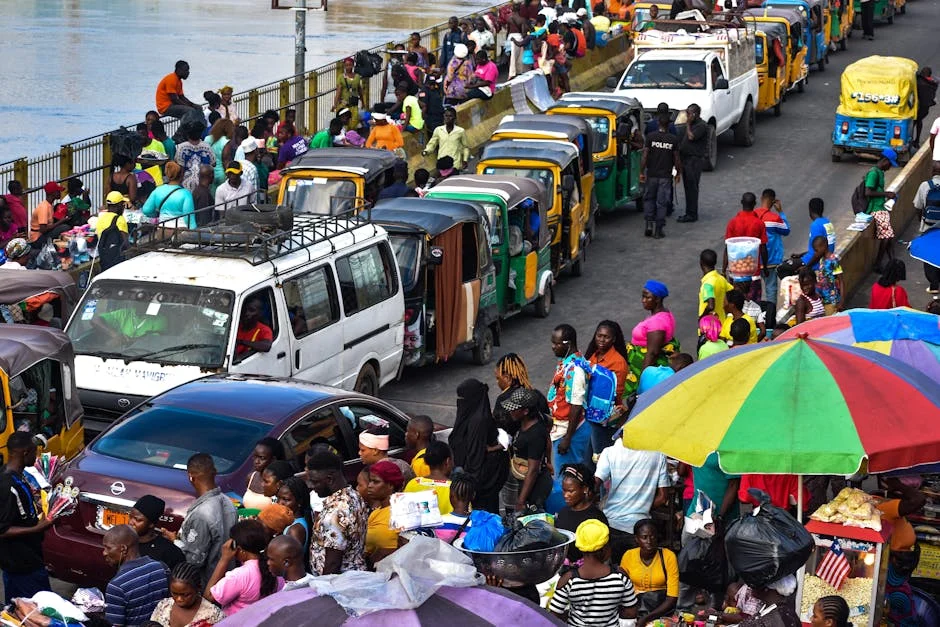
The timing of the attack, occurring during the critical midnight trading hours, has disrupted supply chains across Jos and surrounding markets. Local merchants who rely on night-time logistics to move goods from rural farms to urban centers now face heightened uncertainty. Transport unions have already begun assessing fuel costs and insurance premiums, anticipating a sharp rise in operational expenses within days. This disruption affects not just local vendors but also larger distributors who depend on the smooth flow of agricultural produce.
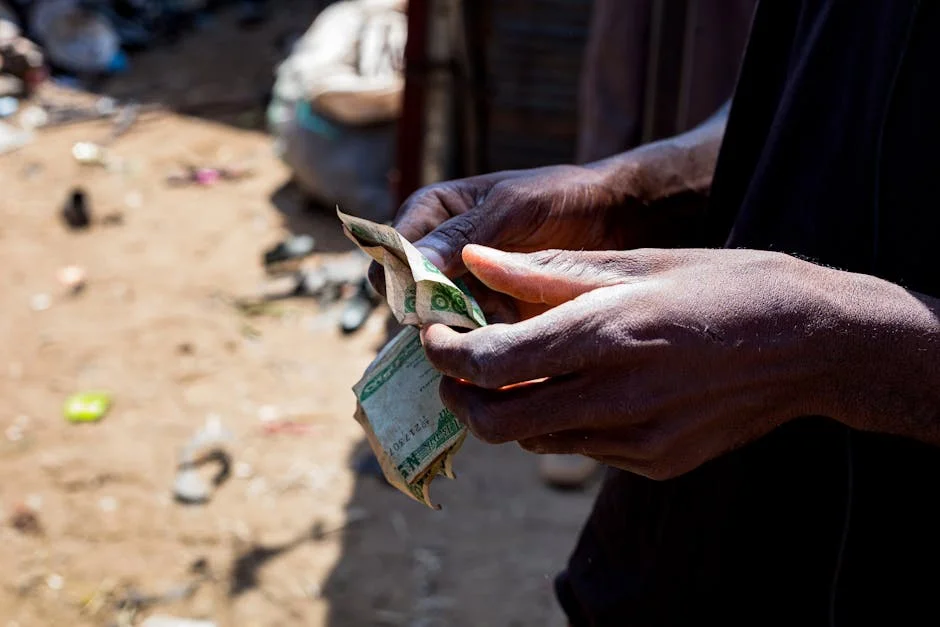
Business owners in Jos report a sudden contraction in consumer spending as fear grips the population. Shops that typically remain open until 11 PM are closing by 6 PM, reducing daily turnover by an estimated thirty percent. This reduction in cash flow impacts everything from small-scale tailors to large-scale construction firms that rely on daily wage payments. The immediate economic consequence is a liquidity crunch for small and medium enterprises that operate on thin margins.
Investor Confidence Takes a Hit

Foreign and domestic investors view security stability as a primary metric for capital allocation in Nigeria. The Plateau State government has struggled to project consistent security assurances, and this latest incident threatens to reverse recent gains in foreign direct investment. Investors in the agricultural and mining sectors, which dominate the Plateau economy, are now re-evaluating their risk exposure. The uncertainty surrounding personal safety directly translates to higher risk premiums demanded by capital providers.
Market analysts note that such incidents often lead to a flight to safety, with investors moving capital from regional equities to more stable assets like government bonds or real estate in Lagos. This capital flight can depress stock prices of companies with significant operational footprints in the North-Central region. The psychological impact on investors is often as damaging as the physical destruction of assets, leading to delayed project launches and frozen hiring plans.
Impact on Key Sectors
The agricultural sector faces the most immediate threat due to the reliance on smallholder farmers who are now hesitant to travel to markets. Mining operations, particularly zinc and lead extraction, may face labor shortages as workers demand higher hazard pay or relocate to safer zones. These sector-specific disruptions create ripple effects that extend beyond the region, influencing national commodity prices and export volumes.
Real estate development in Jos, which has seen a resurgence in recent years, now faces a potential slowdown. Buyers are becoming more cautious, preferring properties in gated communities with private security, which drives up costs and reduces the overall addressable market. Developers may need to factor in higher security expenditures into their project budgets, potentially making new housing units less affordable for the middle class.
Inflationary Pressures Mount
Security incidents in key agricultural zones like Plateau often trigger food price inflation across Nigeria. Plateau State is a major producer of maize, yams, and poultry, and any disruption in production or transportation leads to immediate price hikes in major consumer markets. The National Bureau of Statistics will likely record a spike in food inflation in the coming months, driven by the scarcity of fresh produce from the North-Central belt.
Transport costs are also expected to rise as logistics companies adjust their pricing models to account for increased security risks. Drivers and truck owners may demand higher fares to cover fuel costs associated with detours or the need for convoy systems. These increased transport costs are passed on to the end consumer, contributing to the broader cost-of-living crisis that affects millions of Nigerians. The cumulative effect is a reduction in disposable income, further dampening consumer demand.
Government Response and Fiscal Implications
The Plateau State government faces intense pressure to demonstrate a swift and effective response to the attack. Governor Caleb Mutfwang has ordered a comprehensive review of security arrangements, but the fiscal implications of enhanced security measures are significant. Increased spending on police overtime, military deployments, and infrastructure improvements will strain the state’s budget, potentially diverting funds from other critical sectors like education and healthcare.
Federal government intervention is also likely, with the Ministry of Finance, Investment and Economic Planning monitoring the situation closely. Any federal bailouts or security grants to Plateau will have implications for the national fiscal deficit. Investors are watching to see if the federal government will introduce specific incentives to stabilize the region’s economy, such as tax breaks for businesses that maintain operations in high-risk zones.
Long-Term Market Reactions
The long-term economic impact of recurring violence in Plateau State could lead to a structural shift in Nigeria’s economic geography. Businesses may increasingly prefer locations in the South or Southwest, where security perceptions are generally more favorable. This decentralization of economic activity could lead to a brain drain from Plateau, as skilled workers migrate to seek better stability and opportunities. The loss of human capital is a critical factor that can hinder long-term economic growth.
Insurance companies are likely to adjust their risk models for the North-Central region, leading to higher premiums for property and casualty insurance. This increase in insurance costs will affect everything from small retail stores to large industrial plants, making it more expensive to do business in the area. The insurance sector’s reaction is a key indicator of the perceived long-term risk associated with the region.
What Investors Should Watch Next
Investors and market observers should closely monitor the security situation in Jos and surrounding communities over the next two weeks. The government’s announcement of specific security measures and their implementation timeline will be crucial indicators of stability. Additionally, tracking the weekly inflation data released by the National Bureau of Statistics will provide insights into the immediate economic impact of the disruption.
The reaction of the Jos Securities Exchange and regional stock performance will also offer valuable signals. A sustained dip in the share prices of companies with significant Plateau operations would indicate a deeper loss of confidence. Stakeholders should also watch for any policy announcements from the Plateau State Ministry of Commerce and Industry aimed at stabilizing the local business environment. The coming months will be critical in determining whether the region can recover its economic momentum or face a prolonged period of stagnation.
See Also
- South Africa Cyber Prosecutions Collapse — Investors Face Rising Risk
- Anthropic Slams China’s AI Bid — Global Tech Markets React
The insurance sector’s reaction is a key indicator of the perceived long-term risk associated with the region. A sustained dip in the share prices of companies with significant Plateau operations would indicate a deeper loss of confidence.