Nigerian troops operating in the country's north-central region have foiled multiple kidnap attempts and rescued victims during a sustained security operation spanning Plateau and Kaduna states, according to military statements released this week. The operation, conducted under Operation Safe Haven, targeted armed criminal networks that have increasingly targeted rural communities, traders, and commuters along major highways in the region.
Military Operation Targets Highway Criminals
The troops, deployed under the umbrella of Operation Safe Haven, intercepted suspected kidnappers at multiple checkpoints across the two states. Security forces recovered weapons, ammunition, and vehicles used in the criminal operations during raids conducted over several days. The operation reflects ongoing efforts to address insecurity in Nigeria's Middle Belt region, where ethnic and pastoral conflicts have compounded the threat from organized criminal groups.
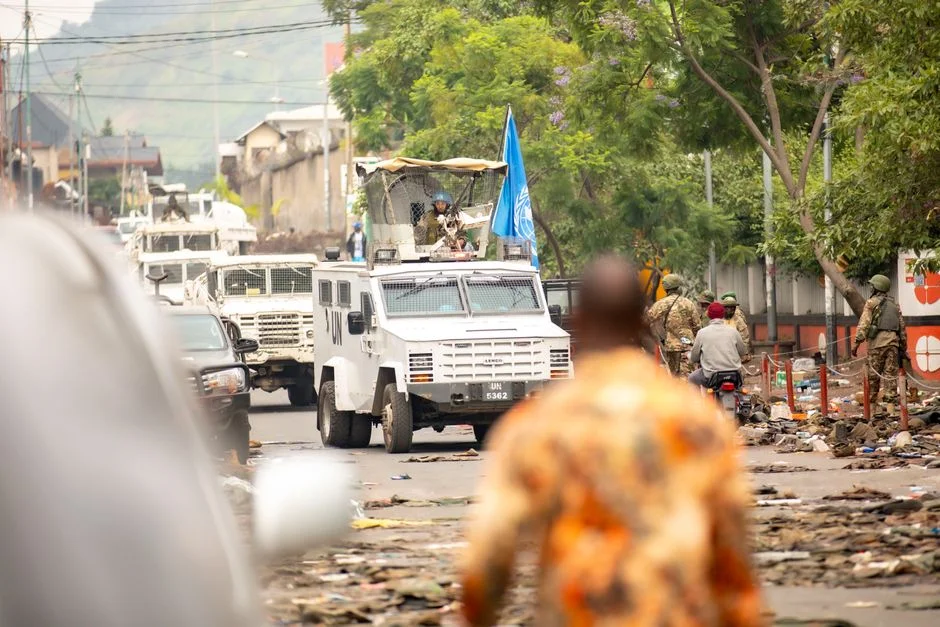
Local residents in affected communities welcomed the military intervention. Traders along the Jos-Zaria highway, a critical commercial route connecting agricultural zones to regional markets, reported that the security presence had reduced the frequency of armed attacks that had disrupted supply chains. The highway serves as a vital artery for the movement of grains, livestock, and manufactured goods across northern and central Nigeria.
Economic Cost of Insecurity in the Middle Belt
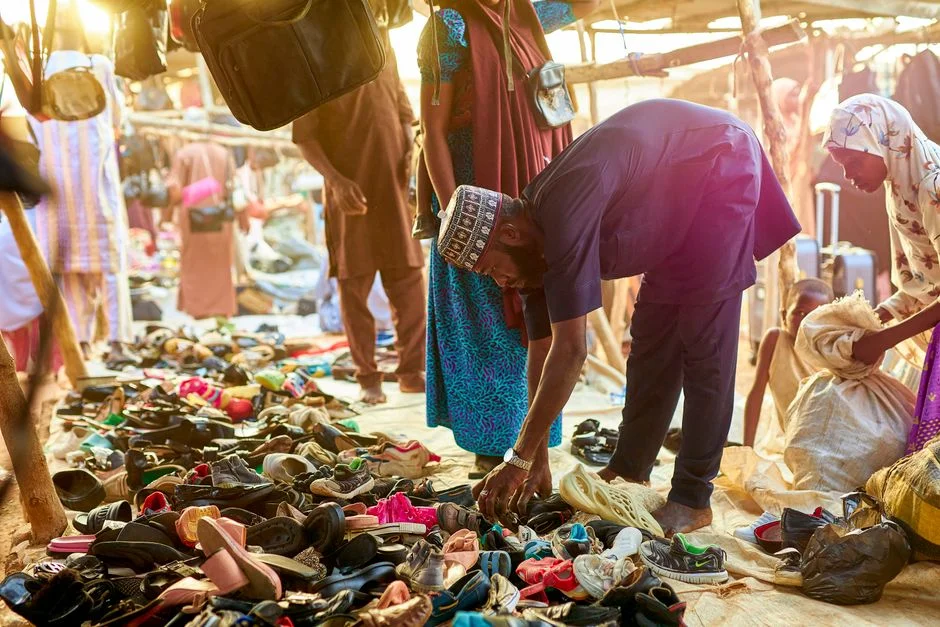

The kidnap operations targeted for disruption by this week's military action represent a significant drag on economic activity in Plateau and Kaduna states. Insurance premiums for commercial vehicles operating on northern highways have risen sharply over the past two years, with transporters passing increased costs to consumers in markets as far south as Lagos. Small and medium enterprises in affected areas have reported difficulty retaining staff who fear commuting through known kidnapping corridors.
Agricultural output in rural areas has suffered as farmers in some communities have reduced cultivation or abandoned holdings near roads considered dangerous. Kaduna state is a major producer of maize, sorghum, and ginger, while Plateau produces vegetables and fruits that supply urban markets across Nigeria. Disruptions to these supply chains contribute to price volatility in Nigerian food markets, a concern for monetary policymakers already battling inflation that exceeded 28 percent last year.
Business Confidence and Investment Implications
Foreign direct investment in Nigeria's north has faced persistent headwinds from security challenges. The successful disruption of kidnap networks in Plateau and Kaduna could improve the operating environment for companies with facilities or supply chains in the region. Several multinational agribusiness companies maintain processing facilities in Kaduna state, and their ability to source raw materials reliably depends on the safety of rural transport routes.
The military's public disclosure of these operations serves a strategic communications purpose beyond mere information sharing. By demonstrating operational effectiveness, security forces aim to reassure domestic and foreign investors that Nigeria's northern business corridors remain viable. The timing matters: Kaduna state has been pursuing investment diversification away from oil, positioning itself as a hub for light manufacturing and agro-processing.
Oil Sector Considerations in Kaduna
While Kaduna is not Nigeria's primary oil-producing state, the region hosts significant petroleum infrastructure including refineries, depots, and pipeline networks that supply products to northern Nigeria. The flow of petroleum products across affected highways had been disrupted during periods of heightened insecurity, requiring costly rerouting through alternative routes that increased transport costs and delivery times.
Security improvements in Kaduna's highway corridors could reduce logistics costs for petroleum marketers and industrial users across the north. The Dangote Refinery, located near Lagos, depends on the northern distribution network to supply petroleum products to landlocked states. Any reduction in kidnapping-related disruptions along northern routes contributes to more predictable supply chains and potentially steadier fuel prices in affected regions.
What This Means for Regional Stability
The military operation's success in Plateau and Kaduna comes amid broader efforts to consolidate security gains across Nigeria's north-eastern states, where Boko Haram and Islamic State West Africa Province remain active threats. The redeployment of troops from counter-insurgency operations to internal security duties in the Middle Belt reflects a strategic prioritization that carries its own trade-offs.
Communities in the affected areas now face the challenge of maintaining security gains without the constant military presence that initially restored calm. Local vigilante groups, supported by state government funding, have been instrumental in providing early warning of criminal activity. Their continued effectiveness will determine whether the recent gains translate into lasting stability or merely temporary respite.
Outlook for Investors and Businesses
Market observers should monitor whether the operational success in Plateau and Kaduna translates into measurable improvements in regional economic data. Key indicators to watch include freight rates on northern highways, agricultural output statistics from Kaduna and Plateau states, and any changes in insurance underwriting practices for commercial vehicles operating in the region.
The Nigerian military has indicated that operations will continue, with intelligence-led raids planned for other states where kidnap-for-ransom networks remain active. For businesses with interests in northern Nigeria, the coming weeks will provide signals about whether the security improvements represent a sustainable trend or a temporary lull before criminal networks reorganise. Investors should treat security as a material factor in their risk assessments for any planned expansion in the region.
See Also
- Aston Martin Reveals Record Losses Amid Global Market Downturn
- Rory McIlroy Faces Scrutiny as Jersey's Harry Vardon Outshines Golf Legends
Key indicators to watch include freight rates on northern highways, agricultural output statistics from Kaduna and Plateau states, and any changes in insurance underwriting practices for commercial vehicles operating in the region. Oil Sector Considerations in Kaduna While Kaduna is not Nigeria's primary oil-producing state, the region hosts significant petroleum infrastructure including refineries, depots, and pipeline networks that supply products to northern Nigeria.