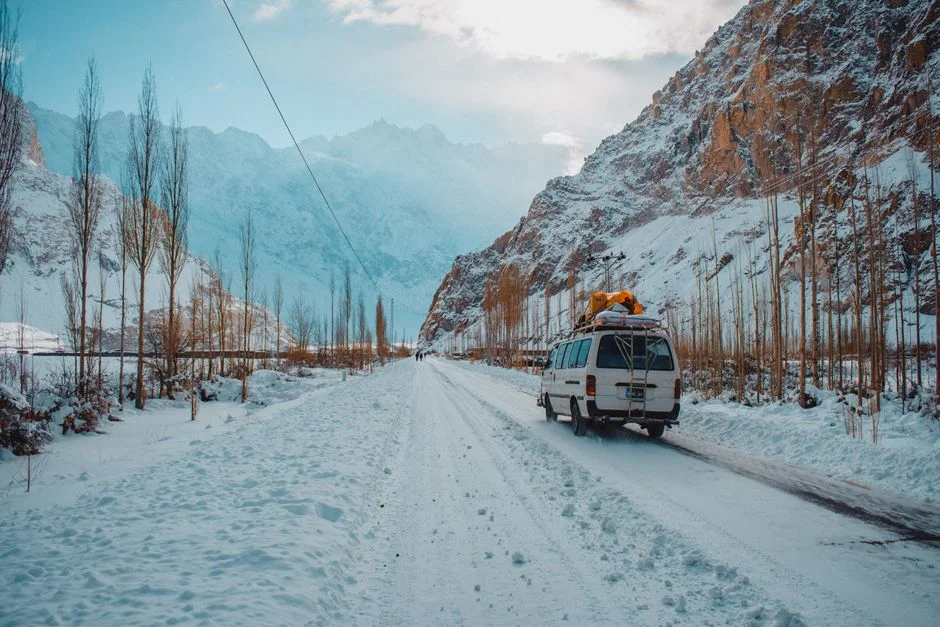
At least 32 people died in southwestern Pakistan on Thursday when an overcrowded passenger bus lost control and fell into a deep ravine near the village of Dana Sar, local officials confirmed. The vehicle was travelling on a mountain road connecting Quetta to Peshawar when the accident occurred, according to authorities who responded to the scene. Rescuers pulled survivors from the wreckage throughout the night as hospitals in the region issued emergency calls for blood supplies. The death toll could rise further as some passengers remain in critical condition, officials warned.
Overcrowding and Safety Violations
Initial investigations suggest the bus was carrying significantly more passengers than its legal capacity at the time of the crash. Transport officials in Balochistan province, where Dana Sar is located, said the driver may have lost control on a sharp bend along the mountainous route. Witnesses told local media the vehicle appeared to be travelling at excessive speed before it went over the edge. Pakistan's road transport sector has long struggled with enforcement of safety regulations, particularly on rural highways that wind through difficult terrain. The bus operator has not yet issued a public statement regarding the incident.
Economic Toll on Pakistan's Transport Sector

The crash highlights persistent challenges facing Pakistan's road transport industry, which moves the vast majority of goods and passengers across the country. Insurers covering commercial vehicles in Pakistan have faced mounting claims from similar incidents in recent years, contributing to rising premium costs for transport operators. Safety compliance now carries greater financial weight as companies must invest in better maintenance and driver training or face escalating insurance rates. The incident is likely to trigger renewed calls from industry groups for government investment in road infrastructure improvements, particularly on high-risk mountain routes.
Impact on Logistics and Supply Chains
For businesses relying on overland transport between Quetta and major cities, recurring accidents on Pakistani highways translate into higher costs for cargo insurance and delays in delivery schedules. The route connecting Quetta to Peshawar forms part of a key trade corridor serving western Pakistan and carrying goods destined for Afghan markets. Freight operators may face pressure to reassess routing decisions or invest in fleet upgrades following this accident. Consumer prices along these corridors could feel the knock-on effect if transport companies pass on increased compliance costs.
Regulatory Response Under Scrutiny
Pakistan's National Highway Authority and provincial transport departments face questions about their capacity to enforce existing safety rules on roads used by millions of vehicles annually. The government has previously announced initiatives to improve road safety, including mandatory speed limiters and rest requirements for long-distance bus drivers. Critics argue enforcement remains inconsistent, particularly on lower-category roads maintained by provincial governments rather than federal authorities. The Balochistan transport secretary indicated a formal inquiry would examine whether the bus had passed its required fitness inspection before departing.
Broader Infrastructure Concerns
Road accidents kill thousands of people in Pakistan each year, with the country ranking among the highest globally for traffic fatalities per vehicle mile travelled. The economic cost of road deaths and injuries has been estimated at several percentage points of Pakistan's annual gross domestic product when healthcare expenses and lost productivity are included. International development lenders have previously conditioned infrastructure funding on improvements to road safety standards, making this a factor in Pakistan's broader economic relationships. The Dana Sar crash underscores the gap between policy commitments and on-the-ground implementation that continues to affect Pakistan's development trajectory.
What Happens Next
The provincial government has ordered an investigation to determine liability and whether criminal charges are warranted against the bus operator or officials responsible for vehicle inspections. Families of victims are entitled to compensation under Pakistan's road accident laws, though payments often take months to process through the legal system. Transport companies operating on the Quetta-Peshawar route should expect increased police checkpoints and documentation checks in coming days as authorities respond to the incident. Investors in Pakistan's transport and logistics sector will be watching whether this tragedy prompts meaningful regulatory change or simply fades into the pattern of recurring accidents that have long defined the industry.
See Also
- South Africa's Bafana Bafana Line-up Sparks Laughter — But Where's the Impact?
- France Faces Sweden in Knockout Clash — Why the Bracket Draw Backfired
Critics argue enforcement remains inconsistent, particularly on lower-category roads maintained by provincial governments rather than federal authorities. The Balochistan transport secretary indicated a formal inquiry would examine whether the bus had passed its required fitness inspection before departing.
What is the latest news about 32 dead after overcrowded bus plunges into pakistan ravine?
Why does this matter for society-culture?
What are the key facts about 32 dead after overcrowded bus plunges into pakistan ravine?