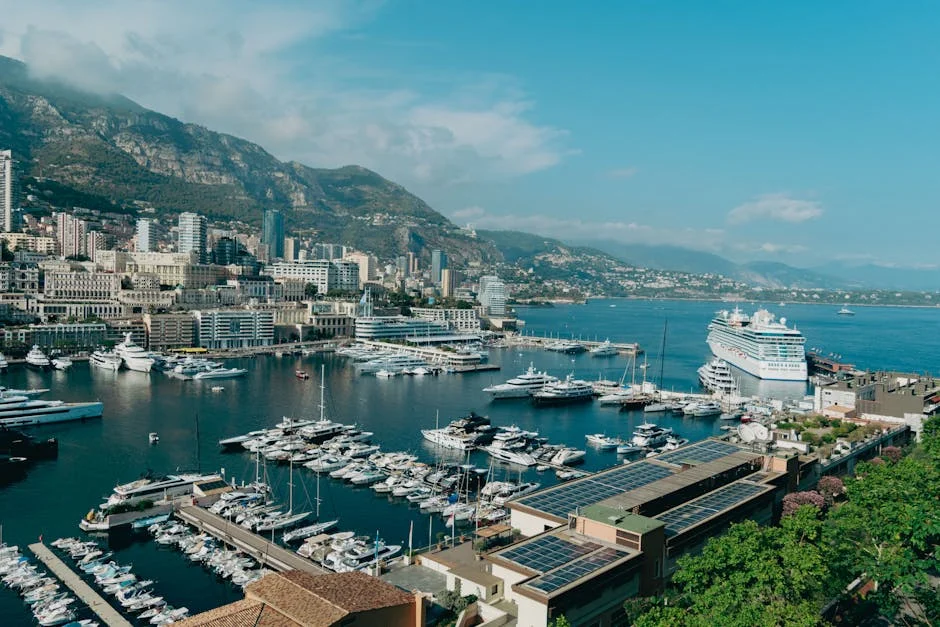
Lewis Hamilton found himself at the centre of a storm at the Monaco Grand Prix, with stewards imposing multiple penalties that sent ripples through the Formula 1 championship standings. The British driver, racing for Mercedes, received a five-second time penalty during the race, dropping him from a podium finish to seventh place.
Stewards' Decision Explained
The penalty centred on an incident involving Hamilton and Ferrari's Charles Leclerc in the closing stages of the race. Stewards reviewed video evidence and telemetry data before concluding that Hamilton had exceeded track limits while attempting to overtake. The five-second penalty altered the final classification significantly, with McLaren's Lando Norris promoted to the podium as a result.
Mercedes immediately announced plans to review the decision with race officials. The team argued that Hamilton had yielded position fairly and that the track limit violation was marginal. Race director Mike Ordonez confirmed that three separate incidents were under review during the race, though only Hamilton's case resulted in a penalty.
Championship Implications

The penalty arrives at a critical juncture in the drivers' championship. Hamilton entered Monaco trailing Red Bull's Max Verstappen by eighteen points. With the Monaco result now official, the gap has widened to twenty-three points heading into the next round in Canada. Norris's promotion to third place also shuffled the constructors' championship, with McLaren gaining valuable points over Aston Martin.
Sports economists note that podium finishes carry significant weight in sponsorship negotiations. Teams finishing in the top three attract substantially higher commercial interest and broadcast attention. McLaren's unexpected third-place finish could translate into improved sponsorship terms for the Woking-based outfit when current deals come up for renewal.
Market and Investor Reaction
Formula 1's commercial partners monitor race outcomes closely. The sport operates under a commercial rights agreement worth approximately $1.5 billion annually to the participating teams. Championship battles that remain competitive through the season tend to drive higher television audiences, which directly influences the revenue distribution all teams receive.
Mercedes shares are not publicly traded, but the team's performance directly affects the valuations of parent company Daimler AG's premium automotive division. Analysts at several investment houses track F1 results as indicators of brand performance and technological development trajectories. The Monaco result marks Hamilton's lowest finish at the principality since 2011.
Historical Context in Monte Carlo
The Monaco Grand Prix has a history of dramatic stewards' decisions. In 2019, Hamilton was involved in a contentious finish with Red Bull's Verstappen that required post-race adjudication. The principality's tight street circuit generates more incidents requiring official review than any other venue on the calendar. This year's race saw four separate investigations during the race itself.
British drivers have historically performed well at Monaco, with Graham Hill earning the nickname "Mr Monaco" for his five victories. Hamilton himself won here in 2008, 2013, 2016, and 2019. This year's result breaks a string of three consecutive podium finishes at the venue.
What Happens Next
Mercedes has fourteen days to formally lodge an appeal if the team chooses to contest the penalty. The FIA's International Court of Appeal would then review the case, though such appeals rarely succeed in overturning stewards' decisions. The team's management must weigh the commercial and sporting implications before committing to a legal challenge.
The next race takes place in Montreal in eleven days' time. Hamilton will need to mount a recovery drive to keep his championship hopes alive. The Circuit Gilles Villeneuve rewards different skills from Monaco's tight streets, and Mercedes are expected to bring aerodynamic updates designed to improve their race pace. Whether the Monaco result proves a minor setback or a turning point in the season remains to be seen.
See Also
- Filmmaker Meji Alabi Explores Biafran War's Legacy on Nigerian Economy
- SABC Wins Press Council Ruling Against Sunday Times and TimesLive
Analysts at several investment houses track F1 results as indicators of brand performance and technological development trajectories. Championship battles that remain competitive through the season tend to drive higher television audiences, which directly influences the revenue distribution all teams receive.Mercedes shares are not publicly traded, but the team's performance directly affects the valuations of parent company Daimler AG's premium automotive division.