Police in Hammarsdale, a township roughly 40 kilometres west of Durban, have launched an investigation after at least five teachers were assaulted by students and community members over the past three months. The attacks have left educators hospitalised, prompted strikes, and forced at least two schools to suspend classes temporarily. Officials at the provincial education department confirmed the incidents in a statement, adding that security assessments were underway at 23 schools identified as high-risk areas.
Violence Disrupts Learning and Forces School Closures
The most recent assault occurred last Wednesday at a secondary school in the Embo Road area. A 34-year-old mathematics teacher sustained head injuries after an argument with a pupil over unpaid examination fees. Local media reported that the teacher remained in hospital for four days before being discharged. The KwaZulu-Natal Education Department said in a statement that it was co-operating with police and expected to release a full incident report by the end of the month.
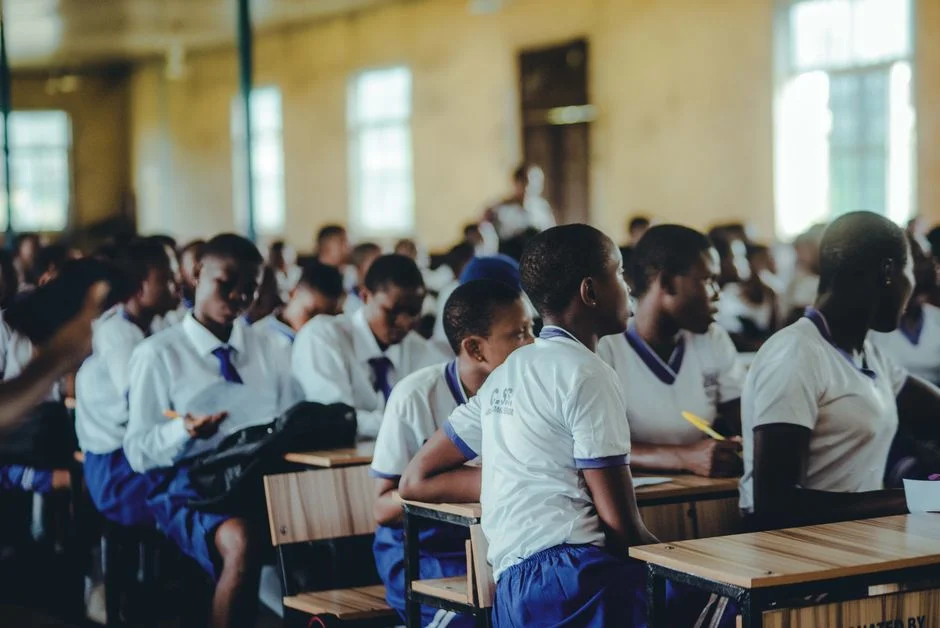
Three other schools in the Hammarsdale circuit have reported incidents involving threats against staff since January. Teachers at two of those institutions voted to halt lessons for two days in protest, affecting approximately 1,200 pupils. The South African Democratic Teachers' Union said its local branch had received 14 formal complaints about verbal abuse and physical intimidation since the start of the academic year.
The Erosion of Teacher Authority

Educational psychologists have linked the attacks to a broader breakdown in the social standing of educators in disadvantaged communities. Research published by the University of KwaZulu-Natal last year found that 67 percent of teachers in rural and township schools reported experiencing verbal abuse from pupils. The study, conducted across 89 schools in the province, also noted that parental backing for teachers had declined markedly over the preceding decade.
"The guru is finished," said Dr. Nompumelelo Khumalo, a lecturer in education policy at the University of Pretoria, referring to the traditional respect afforded to teachers in Zulu culture. "When a community stops valuing its educators, it is not simply a social problem. It has direct consequences for human capital formation and, ultimately, economic productivity." Dr. Khumalo was not speaking specifically about the Hammarsdale case but was commenting on national trends.
Businesses Feel the Ripple Effect
The economic consequences extend beyond the classroom. Hammarsdale sits within the uThukela Industrial Development Zone, a government-designated area intended to attract manufacturing and logistics investment. Property developers and site selectors contacted by local business councils have flagged teacher safety as an informal indicator of community stability when evaluating long-term placements.
Three companies that had been in preliminary talks with the provincial investment authority confirmed they had paused decisions pending clarity on social conditions. A spokesperson for a mid-sized packaging firm that employs 340 workers said staff recruitment in the area had become more difficult because prospective employees with children were prioritising school safety. The companies did not provide their names, citing commercial sensitivity.
Insurance Costs Rise for Education Providers
Education sector insurers operating in South Africa have reported a 12 percent increase in liability claims related to workplace violence at schools over the past two years. Industry sources said premiums for schools in high-crime areas had risen accordingly, squeezing budgets already constrained by inadequate government funding. Independent school governing bodies, which set their own fees, have faced parent complaints about the linkage between rising insurance costs and tuition increases.
Private education groups with operations in KwaZulu-Natal said they were reviewing security protocols. A spokesperson for one national chain confirmed it had commissioned an independent audit of its 28 schools in the province, though the results were not yet available.
What Comes Next
The Hammarsdale case has reignited debate about whether the government should deploy dedicated school resource officers, similar to models used in the Western Cape. The Basic Education Ministry said it was considering proposals tabled by parliamentary committees but declined to set a timeline for any policy announcement.
Teachers' unions have called for an emergency meeting with the provincial head of education. The South African Principals' Association warned that unless concrete measures were announced before the mid-year examination period, further disruptions were likely. For investors watching the industrial development zone, the timeline of that meeting may matter as much as any policy outcome.
See Also
- US Jet Fuel Rushes to Europe — Airline Costs Set to Surge
- Maude Ahmad Fadala Born on Road as Sudan Aid Cuts Force Record Displacement
Property developers and site selectors contacted by local business councils have flagged teacher safety as an informal indicator of community stability when evaluating long-term placements. Teachers' unions have called for an emergency meeting with the provincial head of education.
What is the latest news about teacher assaults in hammarsdale expose education sector crisis heres the cost?
Why does this matter for science?
What are the key facts about teacher assaults in hammarsdale expose education sector crisis heres the cost?