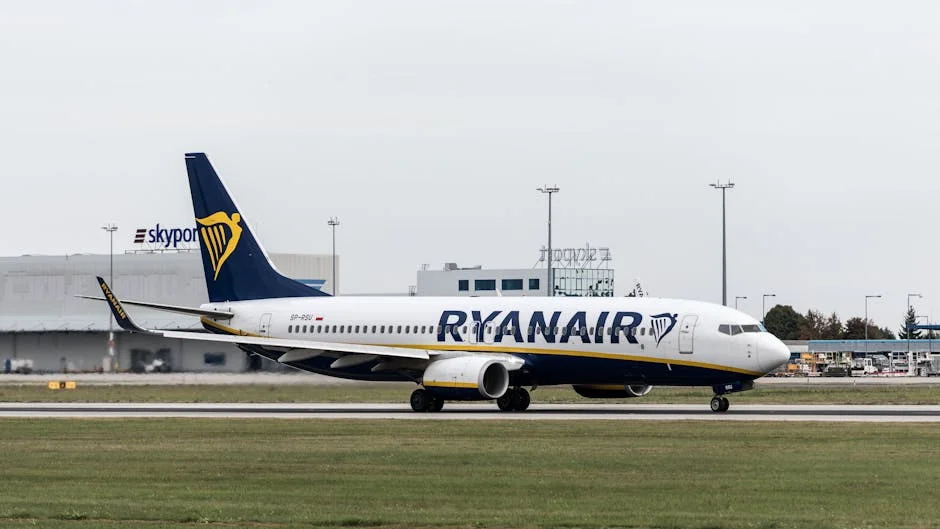
Air Peace has abruptly suspended its direct flight operations between Lagos and London Gatwick due to a critical technical fault, sending immediate shockwaves through the trans-Atlantic business corridor. This sudden halt disrupts a vital artery for trade and diplomacy, forcing executives and investors to scramble for alternative routes at premium prices. The suspension highlights the fragility of Nigeria’s emerging aviation sector and its direct impact on UK-Nigeria economic ties.
Immediate Disruption to Trans-Atlantic Trade Routes
The decision to ground the aircraft was not made lightly but was forced by mechanical issues that threatened both passenger comfort and cargo integrity. Air Peace, one of Nigeria’s most aggressive private carriers, relies on high-frequency service to maintain its competitive edge against legacy carriers like British Airways and Emirates. A single aircraft out of commission can trigger a domino effect, delaying connecting flights and straining the airline’s maintenance schedule in both Lagos and London.

For business travelers, the timing is particularly unforgiving. The London-Lagos route is a primary conduit for foreign direct investment into West Africa, with thousands of professionals crossing the channel annually to close deals in sectors ranging from fintech to oil and gas. When direct flights vanish, the cost of doing business rises sharply. Travelers are forced to book through hubs like Istanbul or Dubai, adding 12 to 18 hours to their journey and increasing the likelihood of missed meetings in the fast-paced London financial district.
The economic implication extends beyond mere inconvenience. Time is currency in international trade. A delayed arrival in London can mean a missed quarterly review or a postponed signing ceremony in Lagos. These micro-delays accumulate, creating friction in commercial relationships that rely on the predictability of air connectivity. Investors monitoring the Nigerian market view such operational hiccups as indicators of broader infrastructural challenges that could affect long-term returns.
Market Reaction and Investor Sentiment


Financial markets in Lagos reacted with cautious pessimism as news of the suspension spread. While Air Peace is not yet fully publicly traded on the Nigerian Exchange Group, its performance is a bellwether for the country’s service sector. Investors watch the airline’s ability to maintain punctuality and fleet health as proxies for the stability of Nigeria’s economic reforms. Any operational setback is interpreted as a potential drag on the sector’s growth trajectory.
The suspension also impacts the valuation of time for Nigerian expatriates and returnees, a significant demographic for remittances and domestic consumption. When flights are delayed or canceled, the flow of funds can slow down. Families in Lagos may wait for the arrival of a relative to unlock savings, while businesses in London may hold off on payments until key stakeholders arrive. This liquidity friction, though subtle, adds a layer of uncertainty to the broader economic landscape.
Analysts point out that the aviation sector in Nigeria operates on thin margins. A technical fault that requires parts imported from Europe or Asia can tie up capital for weeks. If the repair costs exceed the projected revenue from the affected flights, the airline’s profitability takes a hit. For shareholders and potential investors, this raises questions about the resilience of the business model in the face of global supply chain volatility and currency fluctuations.
Currency Volatility and Operational Costs
The Nigerian Naira’s recent volatility against the British Pound exacerbates the financial strain on Air Peace. When the Naira depreciates, the cost of maintaining aircraft—much of which is denominated in Dollars or Pounds—skyrockets. This technical fault may not just be a mechanical issue but a symptom of broader financial pressures. The airline must decide whether to absorb the cost of rapid repairs or pass them on to consumers, both of which have market implications.
For the UK economy, the disruption is less direct but still present. London Gatwick serves as a key gateway for African trade, handling a significant volume of cargo and passengers from West Africa. A reduction in frequency or reliability on this route can lead to a slight shift in trade volumes, with some businesses potentially looking to reroute cargo through other European hubs like Amsterdam or Frankfurt. This subtle shift can affect the competitive positioning of Gatwick against Heathrow.
Impact on London Gatwick’s Competitive Position
London Gatwick has long positioned itself as the premier airport for business travelers seeking efficiency and proximity to the City of London. The reliability of its African routes is a key selling point for corporate clients. When a major carrier like Air Peace suspends service, it tests the airport’s ability to retain market share. If passengers perceive the route as unreliable, they may switch to Heathrow, which offers more frequent, albeit often more expensive, services.
The airport authority is likely monitoring passenger numbers closely. A sustained suspension could lead to a dip in retail and hospitality revenue at the terminal. Businesses within the airport ecosystem, from duty-free shops to car rental agencies, depend on a steady stream of travelers. Any disruption to this flow has immediate financial consequences for these local businesses, highlighting the interconnected nature of the aviation economy.
Furthermore, the suspension underscores the importance of diversification for Gatwick. Over-reliance on a few key carriers can make the airport vulnerable to operational shocks. As Air Peace struggles with technical issues, Gatwick may need to incentivize other airlines to increase frequency on the Lagos route to maintain its status as a top choice for West African travelers. This competitive dynamic is crucial for understanding how London Gatwick affects the UK’s broader aviation market.
Nigeria’s Economic Vulnerabilities Exposed
Nigeria’s economy is heavily dependent on the smooth functioning of its infrastructure, and aviation is no exception. The suspension of a major international route exposes the underlying vulnerabilities in the sector, including aging fleets, supply chain bottlenecks, and currency instability. These factors combine to create a challenging operating environment for airlines, which in turn affects the cost of doing business for the entire economy.
The Nigerian government, through the Federal Ministry of Aviation, is likely to scrutinize the incident to determine if regulatory interventions are needed. If the technical fault is attributed to poor maintenance practices or delayed parts procurement, it could lead to stricter oversight or new policies aimed at improving fleet reliability. Such regulatory changes can have long-term implications for investment in the aviation sector.
Additionally, the incident serves as a reminder of the broader economic challenges facing Nigeria. With inflation and exchange rate fluctuations affecting consumer spending, the demand for air travel is sensitive to price changes. If Air Peace raises ticket prices to cover repair costs, it could dampen demand, leading to a cycle of reduced revenue and further operational strain. This dynamic is critical for understanding how Nigeria affects the UK and other trading partners.
Business Travelers Adapt to the New Normal
Corporate travel managers in London and Lagos are now forced to adapt their strategies. The suspension of the direct flight means that companies may need to negotiate new contracts with alternative carriers or consider video conferencing as a more reliable option for short-term meetings. This shift towards hybrid work models could have lasting effects on the aviation industry, potentially reducing the frequency of business travel in the long run.
For small and medium-sized enterprises (SMEs), the impact is even more pronounced. Larger corporations can absorb the cost of last-minute flights or hotel stays, but SMEs often operate on tighter budgets. A disrupted flight can mean a delayed shipment or a postponed client presentation, which can be costly in competitive markets. This disparity highlights the uneven impact of aviation disruptions on different segments of the business community.
The incident also raises questions about the resilience of supply chains. Many Nigerian businesses rely on just-in-time deliveries of goods and components from the UK. Any delay in air freight can disrupt production schedules and lead to increased inventory costs. This ripple effect demonstrates how a single technical fault can have wide-ranging consequences for the broader economy.
Looking Ahead: Repair Timelines and Route Stability
Stakeholders are now waiting for Air Peace to announce a concrete timeline for the return of the Lagos-London service. The speed of the repair will depend on the availability of parts and the efficiency of the maintenance team in either Lagos or London. If the fault is minor, the flight could resume within days. However, if it requires a major component replacement, the suspension could last for weeks, causing further disruption.
Investors and business leaders should monitor the airline’s communications for updates on the technical issue and any potential changes to the schedule. This information will be crucial for planning future travel and assessing the stability of the route. Additionally, watching for any regulatory announcements from the Nigerian government will provide insight into the broader health of the aviation sector.
The coming weeks will be critical in determining whether this is a temporary blip or a sign of deeper structural issues. If Air Peace can quickly resolve the technical fault and restore service, it will bolster confidence in the airline’s operational capabilities. Conversely, a prolonged suspension could lead to a loss of market share and increased scrutiny from regulators and investors alike. The outcome will have lasting implications for the economic relationship between Nigeria and the UK.
See Also
- Novo Nordisk Daily Pill Threatens Obesity Jab Dominance
- Council of the Left Reveals New Strategy for South Africa's Political Future