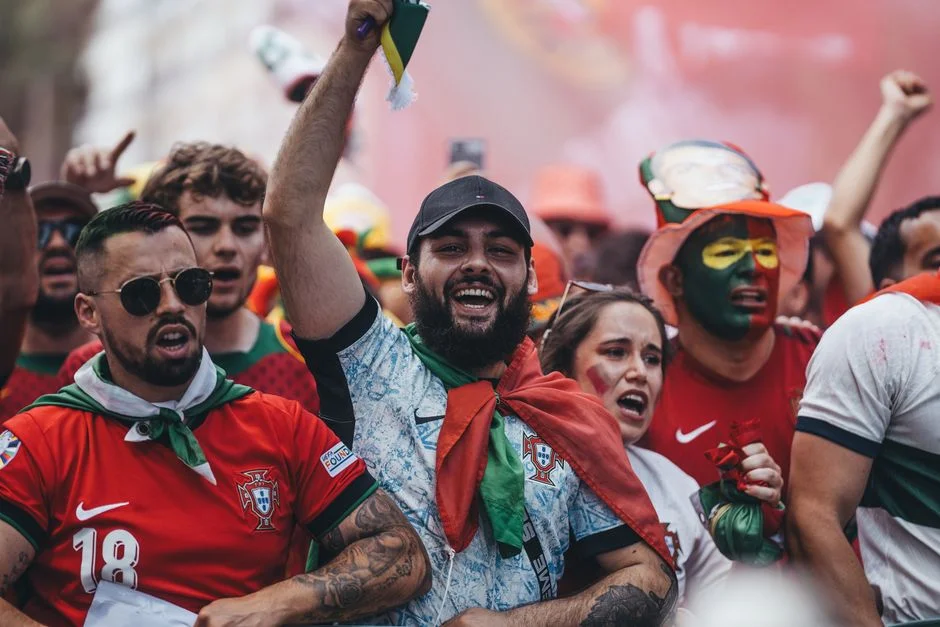
African football fans across the continent piled onto South Africa online after the national team crashed out of the World Cup. Memes and jokes flooded social media platforms as supporters from rival nations seized the moment to lampoon the elimination. This wave of digital mockery reflects the fierce sporting rivalries that run through African football, though the episode also casts an uncomfortable spotlight on a country already wrestling with serious domestic problems.
South Africa's Economic Reality Check
Africa's second-largest economy carries a GDP of roughly $400 billion, yet the numbers behind that figure tell a harder story. Unemployment sits around 32.5%, economic growth is forecast below 1% for 2025, and the country faces mounting fiscal pressure from debt-laden state enterprises. The power grid has been stretched thin for years by load-shedding from Eskom, the state utility now nursing a debt burden that threatens to drag down the broader public balance sheet.

The rand has swung against the dollar in recent months, buffeted by domestic turbulence and the broader volatility sweeping emerging markets. Government debt has crept toward 74% of GDP, a trajectory that has rating agencies watching closely. The World Cup exit arrives at a moment when South Africa can ill afford another source of negative international attention.
Investor Confidence at a Sensitive Juncture

International investors have been tracking South Africa's credit ratings and fiscal trajectory with a degree of anxiety. Recent downgrades from major agencies have heightened scrutiny of government spending and governance standards. Sports results do not move markets directly, but economists point out that national confidence and international sentiment can shape investment decisions in ways that are hard to measure but real nonetheless.
South Africa's inclusion in the G20 this year was meant to signal relevance on the world stage. That narrative has been harder to sustain against a backdrop of structural unemployment, power shortages, and the kind of internal friction that the player strike represented.
The Business Community Takes Note
For South Africa's business leaders, the World Cup exit removes a potential tailwind for consumer sentiment. Major sporting tournaments historically give an uptick in retail activity and mood, particularly when a national team progresses deep into a competition. The early elimination forecloses that opportunity.
Local firms have also been contending with the same energy constraints and labour market rigidity that define the broader economic landscape. The tournament offered a rare moment when domestic concerns took a back seat to national pride. That brief respite is now over.
What Comes Next for the National Team
The national team must now regroup after a campaign that ended in disappointment. Rebuilding will require results on the pitch, but also a more stable environment off it. The football federation faces questions about governance and player management that go beyond any single match result.
South Africa's next competitive fixtures will test whether the team can refocus quickly. For a squad that has struggled to find consistency at the highest level, the pressure to deliver meaningful results has only intensified. Fans online will be watching too.
Broader Stakes for South African Sport
The trolling episode laid bare the intensity of feeling that South Africa's sporting failures generate across the continent. It also served as a reminder that the country's reputation, already under strain from economic turbulence, is vulnerable to events beyond policy control.
The focus now shifts to whether South African football can address its structural problems and give supporters something to celebrate. The economy will recover or stagnate on its own terms, but the national team has the power to change the mood in ways that few other institutions can match.
See Also
- Everest Ice Crisis Triggers Surge in Global Mountain Tourism Costs
- IPL 2026 Revenue Surge Exposes Franchise Valuation Gap
Major sporting tournaments historically give an uptick in retail activity and mood, particularly when a national team progresses deep into a competition. The tournament offered a rare moment when domestic concerns took a back seat to national pride.
What is the latest news about african fans troll south africa after world cup exit and the economy is already watching?
Why does this matter for opinion?
What are the key facts about african fans troll south africa after world cup exit and the economy is already watching?