South African Transport Minister Fikile Mbalula has launched a scathing attack on former President Jacob Zuma, accusing his affiliated movement of inciting violence and stoking hostility against Africans. The remarks, made during a public address, mark a sharp escalation in the political rift that has gripped the country in recent weeks.
Mbalula's Direct Assault on Zuma
At a press conference held in Pretoria on Thursday, Mbalula condemned what he described as dangerous rhetoric coming from Zuma and his supporters. "Mabahambe incites violence and fuels hostility against Africans," Mbalula told reporters, using a term associated with Zuma's movement. The minister called on authorities to take decisive action against those spreading division.
The condemnation follows weeks of heightened political tension in South Africa. Mbalula, a senior figure in the African National Congress, has positioned himself as a vocal critic of Zuma's recent activities. His remarks signal that the ruling party is struggling to contain internal fractures that have widened since Zuma's imprisonment in 2021.
Political Divisions Deepen
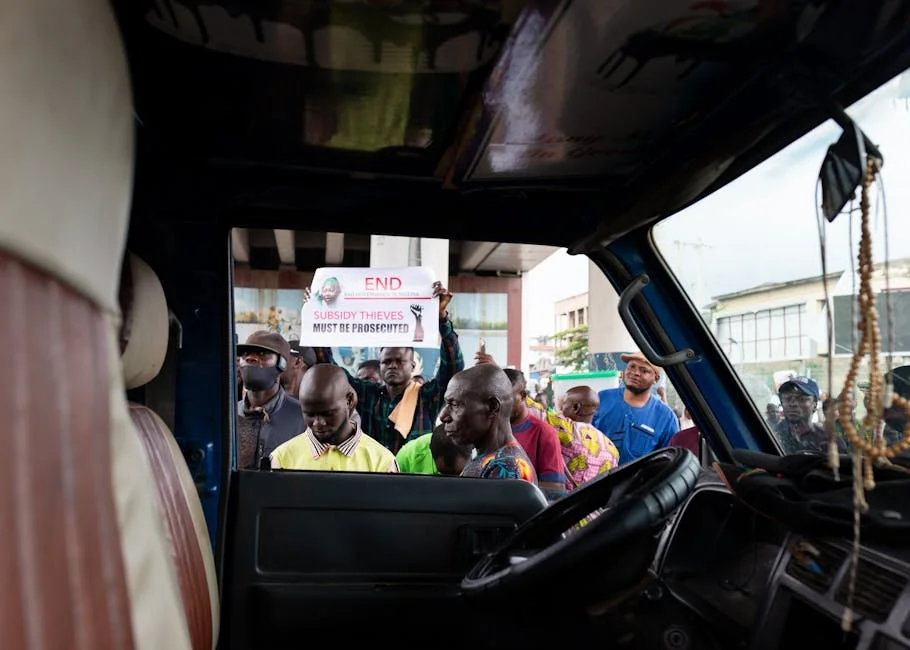
The confrontation traces roots to a March demonstration that brought thousands of Zuma's supporters onto the streets. The march, organised under the banner of Mabahambe, raised fears of renewed instability in Africa's most industrialised economy. Security forces maintained a visible presence during the protest, though no major incidents were reported.
Zuma, who served as president from 2009 to 2018, has remained a polarising figure in South African politics. His imprisonment for contempt of court in 2021 sparked deadly riots that caused billions of rand in damage to businesses and infrastructure. The former leader denies the contempt charges and continues to command loyalty among a significant portion of his supporters.
Investor Confidence at Stake
The escalating rhetoric has drawn concern from business leaders and economists who warn that prolonged political instability could dent foreign investment. South Africa has worked to attract capital inflows to address its 32 percent unemployment rate and sluggish growth. Political violence historically unsettles markets, leading to currency volatility and capital outflows.
Analysts point to the 2021 riots as a stark reminder of the economic damage that political unrest can cause. Insurers paid out billions of rand in claims following the destruction of shopping centres, warehouses, and factories in KwaZulu-Natal and Gauteng. Business groups have urged political leaders to refrain from inflammatory language that could trigger a repeat.
Currency and Market Reaction
The rand showed modest weakness against the dollar following Mbalula's remarks, though traders noted that broader market forces were the primary driver of currency movement. The Johannesburg Stock Exchange has remained relatively stable in recent sessions, but analysts say investor sentiment could shift quickly if tensions escalate further.
Broader Implications for Southern Africa
South Africa's political turbulence carries weight beyond its borders. The country serves as a hub for regional trade and hosts operations for multinational corporations doing business across southern Africa. Prolonged instability could disrupt supply chains and deter investment into neighbouring economies that depend on South African infrastructure.
The African Union and regional bodies have largely remained silent on the latest developments, though diplomats say they are monitoring the situation closely. South Africa's stability is considered vital for the continent's economic integration agenda, which relies on predictable governance and functioning institutions.
What Happens Next
Zuma has not publicly responded to Mbalula's latest criticism. Supporters of the former president have dismissed the minister's remarks as politically motivated, arguing that Mbalula is seeking to consolidate power within the ANC ahead of internal elections. The party's leadership has sought to project unity, though visible cracks remain.
Authorities have warned against organising further demonstrations that could spiral into violence. Police have said they will monitor any public gatherings closely and act against individuals who breach the law. What happens in the coming weeks will determine whether the political temperature cools or whether South Africa faces another period of unrest that damages its economic standing.
See Also
- Labour Party Picks Maku Triggers Political Uncertainty Ahead of June 20 Vote
- China Launches First Hong Kong Astronaut — Space Economy Takes Off
What is the latest news about mbalula slams zuma over violence claims investors on edge?
Why does this matter for society-culture?
What are the key facts about mbalula slams zuma over violence claims investors on edge?