The Spanish national football team has rekindled memories of their triumphant 2010 World Cup campaign following a significant victory against France. Luis De La Fuente, Spain's coach, exclaimed that the team's recent performance has reawakened their World Cup spirit. The win suggests a potential resurgence in Spanish football prowess, a development that could have broader economic and market implications.
Spain's Triumph Over France
Spain's national team secured a decisive victory against France, showcasing a performance reminiscent of their golden era in 2010. The match, held on Tuesday at a packed stadium, saw Spain dominate both in terms of possession and tactical execution. De La Fuente attributed their success to a revitalised team spirit and strategic brilliance, which he believes has restored the squad's confidence and ambition.
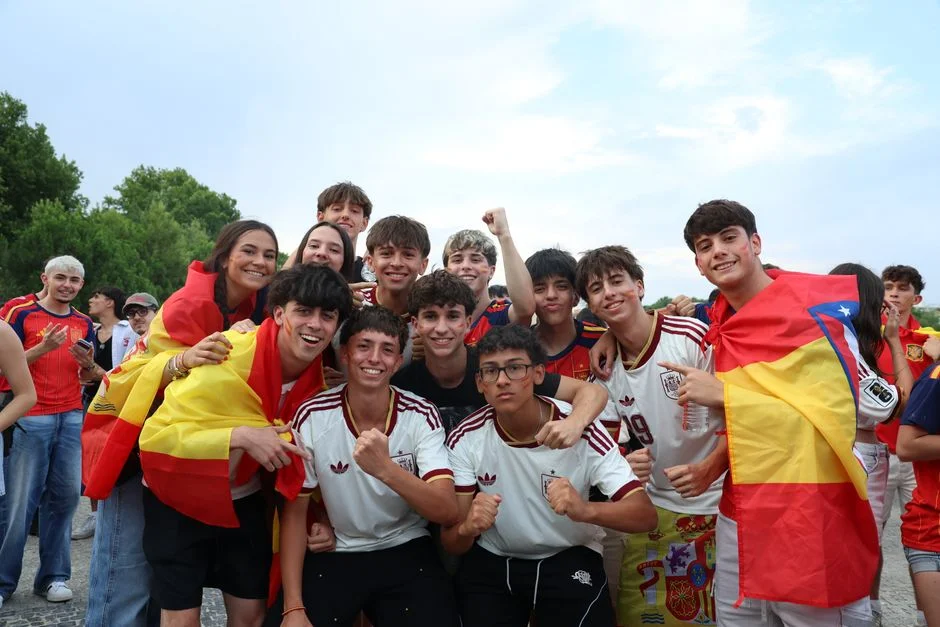
This win against a formidable French team is not only a morale booster but also a signal of potential long-term success. It underscores Spain's return to the football elite and provides a sense of optimism that could transcend the sporting arena, impacting broader spheres including the economy and investor confidence.
The Historical Context of Spain's Football Success


Spain's victory harks back to their 2010 World Cup triumph, a period marked by technical superiority and cohesive teamwork. This era established Spain as a dominant force in international football, leading to increased investment in sports infrastructure and talent development domestically. The current team's performance suggests a restoration of these qualities, which could catalyse similar economic effects.
Spain's football achievements have historically stimulated local economies, particularly in regions with strong football cultures. The construction of new training facilities and stadiums, along with increased tourism, contributed to economic growth. The question now is whether De La Fuente's squad can sustain this momentum and usher in another period of prosperity not just for the sport, but for the Spanish economy at large.
Economic Implications of Football Success
The success of a national team often transcends the sports industry, impacting national pride, tourism, and consumer spending. Spain's 2010 World Cup win was followed by a noticeable uptick in tourism as fans flocked to see where the champions hailed from. Merchandise sales soared, and the visibility of Spanish brands increased globally. These factors contributed to economic boosts in various sectors.
Furthermore, the psychological impact of a national victory cannot be understated. Increased national pride can lead to higher levels of consumer confidence, which in turn drives spending and economic growth. Should Spain continue on a winning path, similar economic ripples could be expected, benefiting sectors such as retail, hospitality, and travel.
Key Players: De La Fuente's Role
De La Fuente, who has been at the helm of the Spanish team, has implemented significant tactical and personnel changes that are proving effective. Known for his strategic mind and motivational skills, De La Fuente's leadership is a critical factor in the team's resurgence. His emphasis on teamwork and discipline mirrors the ethos that led to Spain’s past glories.
The coach's track record includes nurturing young talents and integrating them into a cohesive unit, strategies that have been integral to Spain's success. Investors and stakeholders in the sports industry are closely watching his methods, as they offer insights into successful team management and development, with potential applications beyond football.
Stakeholder Reactions
Spain's victory has elicited varied reactions from stakeholders. Fans and sports analysts are optimistic about a new golden era for Spanish football. Economists and market analysts are also expressing interest, recognising the potential for economic and market benefits stemming from sports success.
However, some caution that sports-driven economic growth can be transient unless supported by robust policy and investment in related infrastructures. The government and private investors in Spain might need to consider strategic investments to capitalise on this success sustainably.
Broader Regional Implications
On a broader scale, Spain's football success could influence regional dynamics within Europe. A strong performance in international tournaments can enhance a country’s brand and global standing, potentially leading to increased foreign investment and trade opportunities.
This successful encounter with France could also serve as a catalyst for increased collaboration and competition among European footballing nations, possibly leading to innovations in sports management and marketing strategies that could redefine the industry’s economic landscape.
What Lies Ahead
Looking forward, Spain's upcoming matches will be critical in determining whether this victory marks the start of a sustainable resurgence. The team’s performance in future international tournaments will reveal whether De La Fuente’s strategies are effective long-term.
Investors and analysts will be watching closely for signs of economic impact, particularly in the tourism and sports retail sectors. The Spanish government might also explore policies to maximise the potential economic benefits of a strong national football team.
As the world watches, Spain's performance on the football field could have lasting effects off the pitch. How well the country leverages this success could influence its economic trajectory in the coming years, making this a pivotal moment for stakeholders across various sectors.
See Also
- Nigeria Chases World Cup Windfall as Africa Secures Nine 2026 Spots
- Leclerc Snatches British GP Victory from Russell in Dramatic Silverstone Finish
The team’s performance in future international tournaments will reveal whether De La Fuente’s strategies are effective long-term.Investors and analysts will be watching closely for signs of economic impact, particularly in the tourism and sports retail sectors. Should Spain continue on a winning path, similar economic ripples could be expected, benefiting sectors such as retail, hospitality, and travel.Key Players: De La Fuente's RoleDe La Fuente, who has been at the helm of the Spanish team, has implemented significant tactical and personnel changes that are proving effective.
What is the latest news about spain defeats france reviving 2010 world cup spirit?
Why does this matter for sports?
What are the key facts about spain defeats france reviving 2010 world cup spirit?