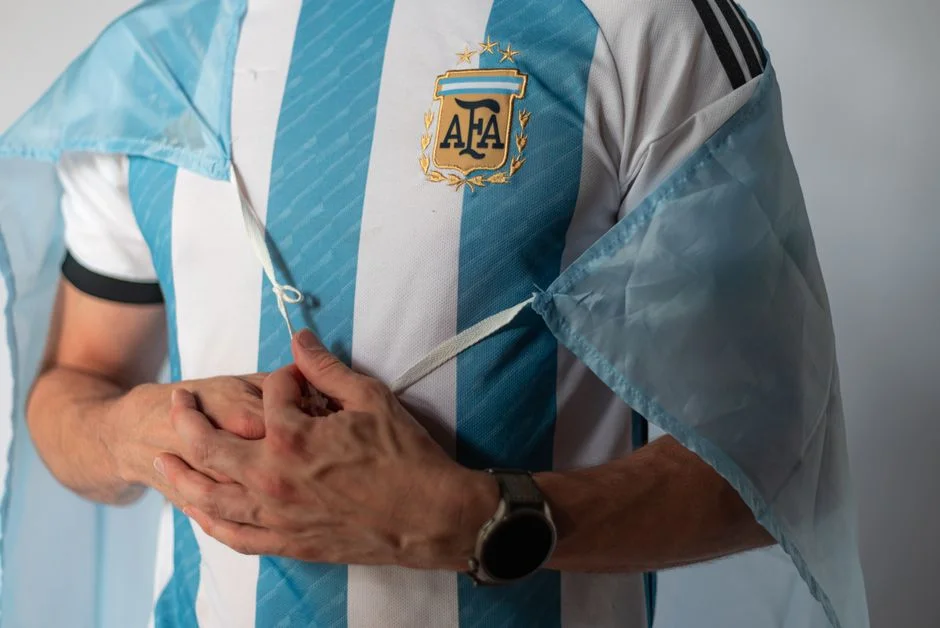
In the aftermath of England's victory in the World Cup qualifiers, Thomas Tuchel's vote of confidence in England's squad has sparked widespread reactions. Fans in London, and indeed across Great Britain, are buzzing with excitement as the national team prepares to face Argentina. Tuchel's post-match interview, where he lauded the team's potential to overcome Argentina's challenge, quickly became a trending topic in the UK.
Tuchel's Influence and Market Reactions
Thomas Tuchel, widely recognised for his strategic prowess, has a remarkable ability to sway public and market sentiment. When interviewed after England's recent win, Tuchel expressed his trust in the 'special breed' of players within the English squad, suggesting that they have what it takes to defeat Lionel Messi's Argentina in the upcoming World Cup 2026 match. This endorsement from such a high-profile football figure has sent ripples through various sectors.

Reactions to Tuchel's interview were immediate. Sports apparel companies, which often see spikes in sales concurrent with positive national team performances, could anticipate increased revenue. Merchandising becomes a focal point, with fans eager to purchase jerseys and memorabilia, especially when optimism around the team's success is high.
Furthermore, broadcasters and advertisers are gearing up for what promises to be a highly watched event. The prospect of an England versus Argentina match, with Tuchel's comments adding fuel to the fire, suggests that ad slots during broadcasts could see a premium increase. Historically, these matches draw substantial viewership, translating into significant advertising revenue.
The betting industry also sees a notable impact. With Tuchel endorsing England's chances, bookmakers might adjust the odds slightly in England’s favour, attracting more bets on the national side. This can lead to an uptick in betting activity, which is an important economic driver for the sector.
Finally, local pubs and establishments are preparing for increased patronage. Football matches, particularly ones with high stakes, bring in crowds who wish to experience the game in a communal setting. This surge can provide a much-needed boost to the hospitality industry, still recovering from previous economic downturns.
Economic Impact of Football Fever


The economic implications of Tuchel's interview and the ensuing football fever are far-reaching. Football, beyond being a sport, is a significant economic driver in the UK. The ripple effects of a major sporting event include increased consumer spending, enhanced brand engagement, and even tourism boosts.
International attention on England's football team can lead to increased tourism, as fans travel to watch matches live or to partake in the communal atmosphere. This influx benefits airlines, hotels, and local businesses. The positive sentiment around the national team also promotes British culture and hospitality abroad, potentially attracting future tourists.
Brand endorsements and sponsorships see a spike during these periods. Companies associated with the national team or star players like Tuchel can leverage this exposure. This increased visibility often results in higher brand equity, allowing companies to negotiate better deals and expand market presence.
The entertainment industry also capitalises on this excitement. From films and documentaries about football to themed events and concerts, the intersection of sports and entertainment becomes a lucrative arena. Engaging narratives about football successes can captivate audiences, providing further economic opportunities for creative industries.
Critically, a successful national team can boost national morale, leading to increased productivity and consumer confidence. This psychological boost can have subtle yet widespread economic benefits, as happier consumers tend to spend more and engage more actively in economic activities.
Looking Ahead: Challenges and Opportunities
As the date for the England versus Argentina match approaches, businesses and investors are strategising to maximise opportunities. However, challenges remain. The unpredictability of sports outcomes means that while current sentiment is high, a loss could temper economic benefits.
Investors in sectors tied to football's fortunes must remain agile. Diversification strategies may be paramount to mitigate risks associated with potential losses on the field. Similarly, businesses heavily investing in promotions tied to the World Cup must balance enthusiasm with prudence.
Looking beyond immediate gains, the lasting impact of England's football performance could catalyse long-term growth in sports-related industries. Innovations in sports technology, analytics, and fan engagement present opportunities for forward-thinking companies. Those able to harness the current momentum can lay the groundwork for sustained growth.
On the horizon, policy changes related to sports funding and development could also surface. As football proves its economic viability, public and private sectors might collaborate more closely to enhance sports infrastructure and talent development, ensuring continued success on both the economic and sporting fronts.
As anticipation builds, stakeholders are keen to see how the situation unfolds. The performance of England's team could set a precedent for future economic impacts, making this more than just a game, but a substantial economic event. Watch closely as the match approaches, for its outcome could signal the start of new economic trajectories.
Public Sentiment and Cultural Dynamics
As anticipation grows for the England versus Argentina showdown, the cultural and social dynamics surrounding the event are as vibrant as ever. Football, often described as the beating heart of British culture, inspires a unique blend of passion, pride, and rivalry that transcends the sport itself. The public's reaction to Tuchel's endorsement is a testament to the deep-seated emotions football evokes in the nation.
Football matches, especially those of this magnitude, have a unifying effect on communities across the UK. From bustling urban centres to quieter rural locales, the excitement is palpable. Local councils often support public screenings in parks and community centres, fostering a sense of unity and shared experience. These gatherings become microcosms of the national spirit, where fans of all ages and backgrounds come together to support their team.
This cultural phenomenon, however, also brings to light competing views on the sport's role in society. Critics argue that the intense focus on football sometimes overshadows other important social issues. They point to the vast amounts of public and private funds directed towards football, suggesting that similar investments in education, healthcare, or grassroots sports could yield broader societal benefits. Nonetheless, proponents maintain that the economic and social returns from football far outweigh these concerns, citing the sport's ability to bring people together and provide a sense of identity and pride.
Meanwhile, the media plays a pivotal role in shaping public perception. Coverage of Tuchel's comments and the upcoming match has been extensive, with newspapers, online platforms, and broadcast channels dedicating significant airtime and column inches to the event. This media frenzy contributes to the cultural tapestry, as discussions around the match permeate daily conversations, from office water coolers to family dinner tables.
The match also serves as a stage for cultural diplomacy. With Argentina as opponents, the event becomes an opportunity to celebrate and explore the rich sporting histories of both nations. Football aficionados and historians alike delve into past encounters, analysing tactics and recounting memorable moments that have defined the rivalry over the decades.
Looking beyond the immediate excitement, the match's cultural impact could influence future policy decisions. Government and sports bodies might use the event as a catalyst to promote inclusivity and diversity within the sport, ensuring that football remains accessible to all segments of society. Initiatives aimed at boosting participation among underrepresented groups could gain momentum, aligning with broader societal goals of equality and representation.
Technological Innovations and Fan Engagement
In parallel with cultural dynamics, technological innovations are reshaping how fans engage with football. As England prepares to face Argentina, fans are increasingly turning to digital platforms to enhance their viewing experience. From virtual reality (VR) broadcasts to interactive fan forums, technology offers new ways to connect with the game and fellow supporters.
VR technology, in particular, is gaining traction, allowing fans to experience matches as if they were in the stadium itself. This immersive experience is revolutionising fan engagement, making it possible for those unable to attend in person to feel the excitement and atmosphere of the game. Broadcasters are investing heavily in such technologies, recognising the potential to attract a global audience and increase viewership.
Social media platforms are also playing a central role in fan interaction. Real-time discussions, live updates, and fan polls create a dynamic and interactive environment where supporters can share their thoughts and emotions instantly. These platforms enhance the communal aspect of football fandom, breaking down geographical barriers and fostering a global community of enthusiasts.
The rise of data analytics is another significant trend impacting both fans and the sport itself. Detailed statistical analysis allows fans to delve deeper into the intricacies of the game, understanding tactics and player performance at a granular level. For teams, this data is invaluable, informing strategies and decision-making processes on and off the pitch.
Furthermore, these technological advancements offer new opportunities for brands and advertisers. With fans engaging across multiple platforms, businesses can tailor their marketing strategies to target specific demographics, ensuring maximum reach and engagement. Personalised content, driven by data insights, enhances the fan experience while offering brands a powerful tool to connect with their audience.
As these innovations continue to evolve, the relationship between technology and football is set to deepen. Future developments could include even more sophisticated AI-driven analytics, augmented reality experiences, and enhanced connectivity within stadiums, all contributing to a richer, more engaging fan experience.
In conclusion, as the England versus Argentina match draws near, the interplay of cultural dynamics and technological advancements highlights the multifaceted impact of football on society. The event is not just a sporting spectacle but a reflection of the broader societal trends shaping the way people connect, engage, and express their collective identity. As fans prepare to rally behind their team, the lasting effects of this match will be felt far beyond the final whistle, influencing cultural, economic, and technological landscapes for years to come.
See Also
- Johannesburg's R97.1bn Budget Aims to Revive Local Economy Amid Challenges
- Leandro Trossard Breaks World Cup Record With Most Chances Created in Group Stage