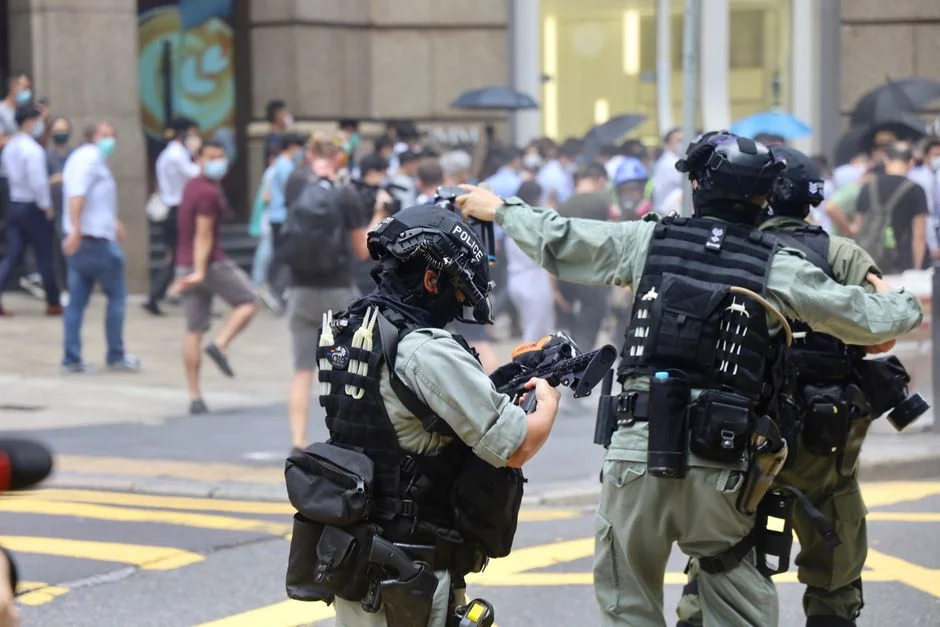
Police in Gauteng have warned South Africans that employing illegal immigrants could result in fines of R10,000, a penalty announced in the wake of June 30 protests that exposed simmering tensions over immigration policy in the province.
Police Announce Employer Penalties After June Unrest
Lieutenant General Tommy Mthombeni, speaking on behalf of the police, confirmed the enforcement stance during a press briefing held days after protests swept through several Gauteng municipalities. The warning targets South Africans who knowingly hire undocumented foreign nationals, a practice authorities say has fueled competition for low-wage jobs and contributed to social instability.

The R10,000 fine represents a significant financial penalty for small businesses and households alike. Mthombeni did not specify whether repeat offenders would face escalating fines or criminal charges.
Labour Market Tensions Drive Policy Response


Gauteng, South Africa's economic heartbeat, accounts for roughly 35 percent of national GDP. The province has long attracted migrants from neighbouring countries seeking employment in mining, construction, and informal trading. Local trade unions have argued that undocumented workers accept below-minimum wages, undercutting South African job seekers.
Business owners in sectors such as hospitality and domestic work have relied heavily on immigrant labour, particularly in areas where South Africans are reluctant to take available positions. A blanket enforcement of hiring restrictions could disrupt these industries and force some operators to scale back services or close entirely.
Economic Risks for Small Business Owners
For township economies already fragile from load-shedding and sluggish growth, the prospect of R10,000 fines adds fresh uncertainty. Many employers kept no formal records of their workers' documentation status. Compliance would require administrative changes that smaller operators cannot easily afford.
Economists have warned that punitive measures without corresponding crackdowns on the employers of record—corporate farms, factories, and construction firms—risk disproportionate impact on the informal sector while leaving larger enterprises relatively untouched.
Investor Concerns Over Regulatory Clarity
The announcement arrives at a delicate moment for South Africa's investment climate. The government has prioritised attracting foreign direct investment to address chronic unemployment, which sits above 30 percent nationally. Investors typically require predictable regulatory frameworks, and sudden enforcement campaigns can create operational risks that complicate long-term planning.
One Johannesburg-based consultancy told local media that multinational clients had begun asking questions about supply chain exposure. Companies with operations in Gauteng's logistics and manufacturing hubs are watching whether police will extend enforcement beyond informal employers to formal sector contractors.
Community Response and Political Pressures
The June 30 protests reflected broader frustrations across Gauteng's urban centres. Demonstrators cited concerns ranging from crime linked to undocumented migration to pressure on public health and education services. Police deployed in force to disperse crowds in several townships, with authorities reporting dozens of arrests.
Some community leaders have welcomed the fine announcement, calling it a necessary first step. Others argue that economic desperation, not immigration itself, drives instability. They point to structural unemployment and argue that penalising employers without addressing the demand for cheap labour misses the underlying cause.
Enforcement Capacity Under Scrutiny
Police have not outlined how they intend to identify employers who hire illegally. The South African Immigration Act already prohibits the employment of undocumented foreigners, with penalties ranging from fines to imprisonment. Critics note that enforcement has historically been inconsistent, with raids often targeting street vendors rather than the businesses that profit most from exploitable labour.
Mthombeni's warning may signal a shift toward holding employers accountable. Whether police have the resources and political will to conduct systematic workplace inspections remains unclear.
What Happens Next
Business associations in Gauteng are expected to seek clarity from the Department of Home Affairs on implementation timelines. Employers have requested a grace period to verify documentation and adjust staffing structures. Rights groups, meanwhile, are calling for protections for vulnerable workers who could face dismissal without warning as businesses scramble to avoid penalties.
Watch for further announcements from Home Affairs Minister Leon Schreiber in the coming weeks. The department has indicated it will publish guidelines on employer compliance before any widespread enforcement begins. The effectiveness of the crackdown will depend heavily on whether police prioritise large-scale operations or respond to tip-offs from the public.
See Also
- Ukraine Deploys Robots to Battlefield — A New Era in Warfare Emerges
- Casper Ruud Defeats Joao Fonseca at French Open 2026, Boosting Sponsorships